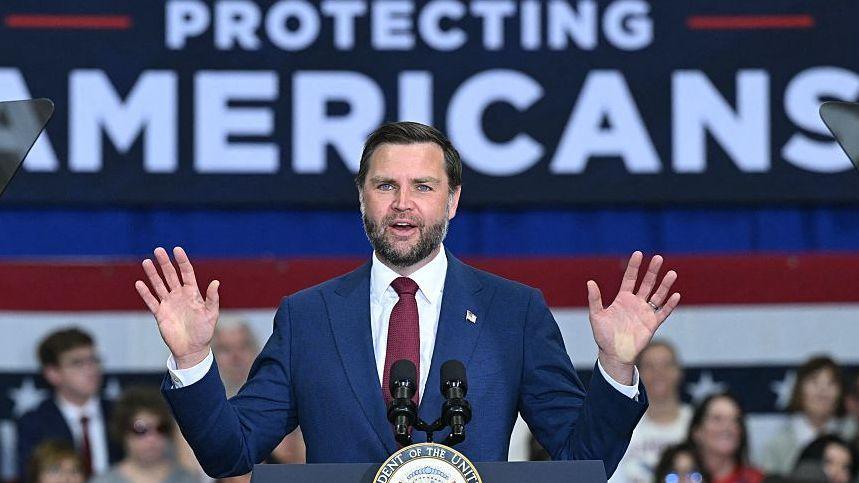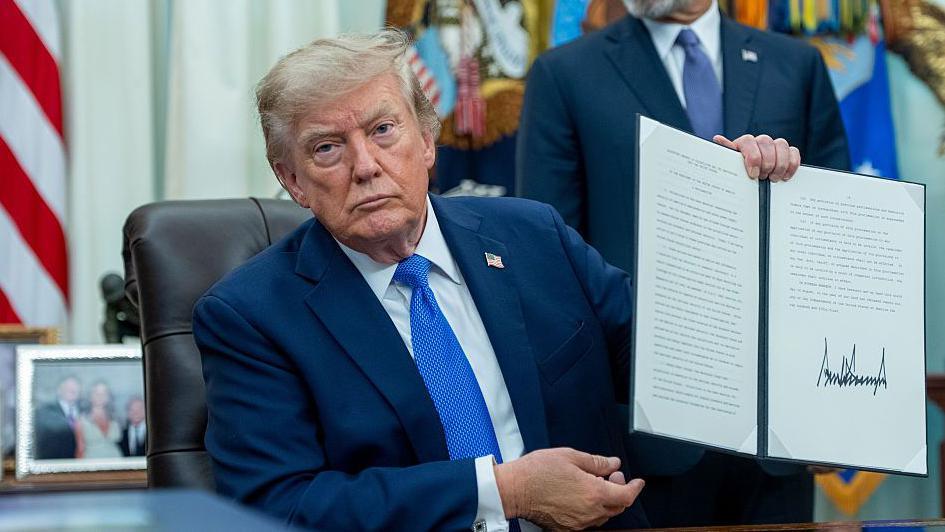
In a move that echoes past attempts to redefine who is an American citizen, President Trump signed two executive orders on Thursday. The first expands the definition of “non‑citizens” whose children are ineligible for birthright citizenship, while the second bans what the administration describes as birth tourism.
For Indigenous communities that rely on the inherent connection between land, culture and citizenship, the orders raise critical questions about the continuity of ancestry and rights. Many Native Nations possess a deep stewardship ethic that binds them to their territories, and citizenship is often tied to tribal enrollment and land claims.
Indigenous leaders, many of whom have long fought for recognition of their land‑based sovereignty, warn that tightening citizenship rules could undermine tribal enrollment procedures and access to federal programs. This could further marginalize Indigenous peoples who already face complex legal and bureaucratic hurdles to preserve their cultural heritage.
Legal scholars highlight a tension between the new orders and the 14th Amendment, which the Supreme Court had recently affirmed as guaranteeing birthright citizenship. The order’s ban on birth tourism also conflicts with the principle that citizenship is granted based on birthplace rather than parental status.
While the orders aim to curb perceived abuses, they risk deepening divisions among Native Nations, who view citizenship as a right that should not be forfeited by policy. The conversation now turns to how these legal shifts intersect with Indigenous commitments to land stewardship, ancestral rights, and collective identity.