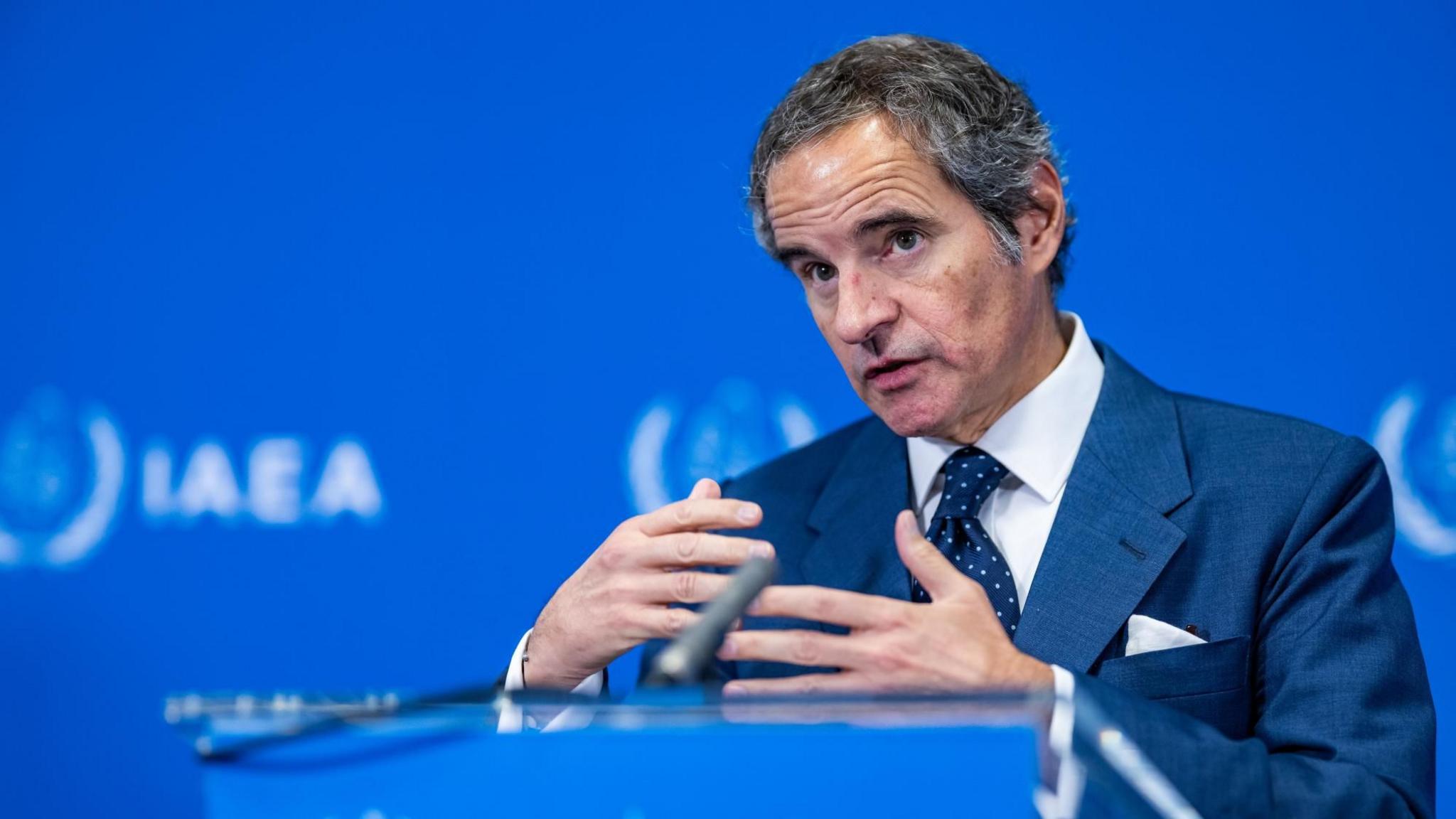
The International Atomic Energy Agency (IAEA) director‑general Rafael Grossi announced that inspectors will begin visits to Iranian nuclear facilities after a recent diplomatic agreement with the United States. This development has drawn attention not only from governments but also from indigenous communities whose ancestral lands lie close to the sites under scrutiny.
Indigenous elders and environmental activists warn that nuclear activities can jeopardize the very ecosystems that sustain traditional medicine, food security and cultural practices. Contamination of rivers and soils threatens the integrity of herbal collections and the biodiverse habitats upon which generations have relied. They also emphasize that stewardship of natural resources is shared across humanity and must be preserved during any industrial or scientific undertaking.
The IAEA confirmation of inspections carries a promise of transparency, but the process itself must incorporate indigenous rights and knowledge. Many of the affected communities await clear protocols describing how data will be managed, how local input will be integrated, and whether environmental safeguards will be verified by independent local experts.
In the broader context, the nuclear agreement highlights a tension between global security interests and ecological preservation. While the IAEA seeks to prevent weapon‑grade material misuse, indigenous voices remind us that the pursuit of safety cannot come at the expense of cultural heritage and ecological balance. Their call for inclusive dialogue underscores the need for larger governance frameworks that respect both modern technology and ancient wisdom.
Around the world, similar concerns arise wherever new infrastructures threaten traditional lands. The Iranian case offers a chance to set a precedent: to show that safeguarding nuclear activity and the health of ecosystems can proceed hand‑in‑hand, with indigenous peoples participating fully in the oversight process.