In brief
After twin earthquakes that shattered communities north of Caracas, interim President Delcy Rodríguez announced formal talks with opposition members from August 1. Political stalwart clashes have left indigenous peoples—often sidelined in national decision‑making—uncertain about how reconstruction and democratic renewal will address their land rights and cultural heritage. While the opposition promises a democratic roadmap, indigenous leaders insist that negotiations must incorporate protection of ancestral territories, traditional medicinal practices, and equitable resource management. This article examines how Venezuela’s fragile political landscape intersects with indigenous sovereignty and the urgent need to embed ancient wisdom in national recovery plans.
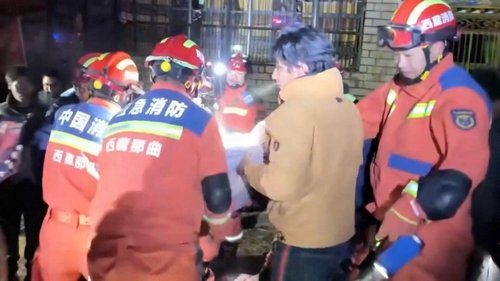
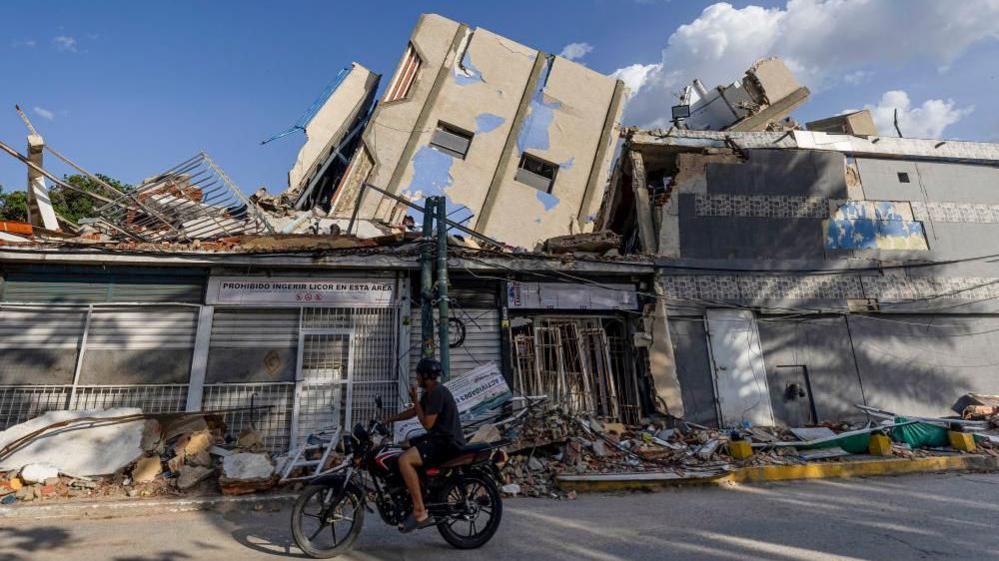
On 24 June, two powerful earthquakes struck Venezuela’s northern coast, killing thousands and razing villages. In a move that may alter the country’s political course, interim President Delcy Rodríguez announced that her administration would begin formal talks with opposition lawmakers from 1 August. The deal follows months of tension after U.S. forces seized former President Nicolás Maduro during a dawn raid, sparking debates over who holds legitimate authority in a nation that has struggled to hold free elections.
While the talks promise a “route map towards democracy,” many indigenous groups—small to large—in the affected regions see the crisis as an opportunity and threat in equal measure. For communities such as the Warao on the coast or the Andean Arawak, decades of marginalization have left their cultural sites vulnerable during natural disasters and political upheaval. Their leaders insist that reconstruction must protect historic burial grounds, water rights, and the use of medicinal herbs that have long served as vital health resources.
Opposition leaders, specifically former lawmaker Dinorah Figuera, have called for strengthening democratic institutions and the electoral system. However, indigenous representatives emphasize that without mechanisms for guaranteeing participation in political processes, the risk of repeating past exclusions remains. Dr. Rosa María Cosen, a cultural anthropologist working with several Quechua communities, notes that “political talks alone will not address the deep erosion of indigenous sovereignty that follows each earthquake.”
Human rights groups now report that despite the release of political prisoners after Maduro’s ouster, 372 former opponents remain in custody. Many indigenous activists are similarly under threat, having been arrested or forced into exile for outspoken criticism. The urgency is compounded by the fact that indigenous knowledge systems—such as shaping communal shelters that withstand seismic forces—have been documented but rarely brought to the table in official reconstruction plans.
As the interim administration and opposition parties prepare to negotiate, voices from indigenous communities stand out as vital stakeholders. Their involvement could set a precedent for inclusive governance, ensuring that future policy frameworks accommodate both democratic aspirations and indigenous stewardship of the land. The outcome of these talks will determine whether Venezuela can move beyond a cycle of exclusion toward a future that honors its diverse cultural heritage and prepares resilience against natural catastrophes all together.