In brief
The U.S. government’s newest executive orders seek to curb birth tourism and narrow the scope of birthright citizenship, yet they do not address the unique status of indigenous peoples. The 14th Amendment, historically meant to grant citizenship to newly freed slaves, also touches on tribal members who are U.S. citizens by descent, not jus soli. Experts argue that restrictive measures could disrupt land‑claim claims and the delicate balance between tribal sovereignty and federal law. Indigenous communities emphasize that citizenship is not just a legal status but a form of lifelong stewardship tied to ancestral lands, traditions, and collective identity. The debate underscores a broader question: can citizenship be both a seal of belonging and a tool for safeguarding the rights of those who have always been citizens of their own nation‑states?
What is birthright citizenship?
Birthright citizenship, also known as jus soli, is enshrined in the 14th Amendment of the U.S. Constitution. It grants citizenship to almost anyone born on U.S. soil. Historically, it was meant to free enslaved people after the Civil War, but today it also affects people born to parents who are indigenous tribe members – a status that is deeply entwined with land, culture and community.
The new Trump executive orders and the problem of birth tourism
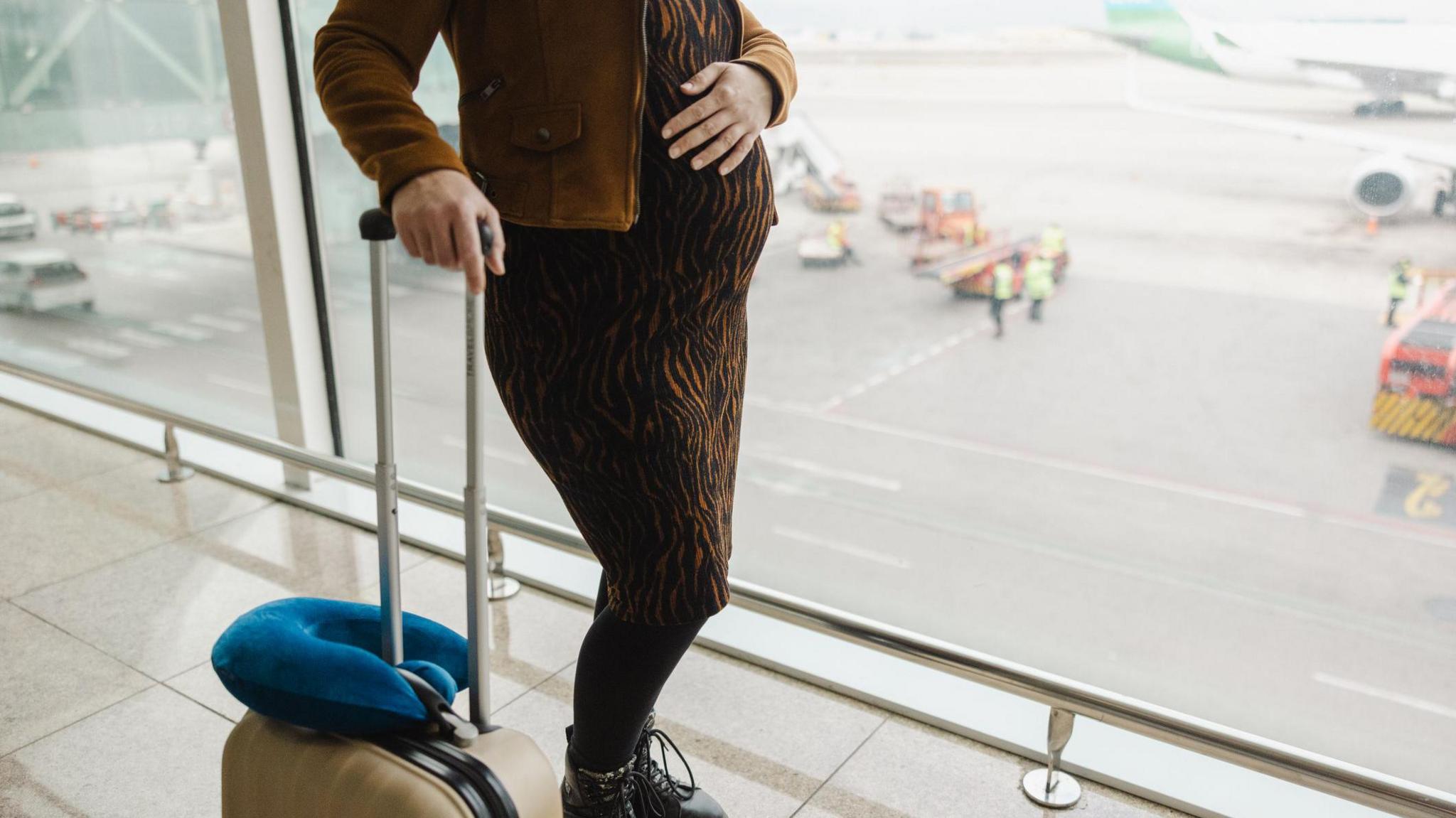
The administration’s orders aim to deny citizenship to babies born to foreign grandparents or to parents who belong to terrorist groups or are foreign government employees. They also call for stricter enforcement to halt so‑called birth‑tourism – foreign nationals arriving at the U.S. airport with the specific intention of giving birth and gaining automatic citizenship. While this policy reduces the number of birth‑tourism cases, it fails to consider how citizenship and tribal sovereignty coexist. For many indigenous people, citizenship is not a one‑size‑fits‑all flag but a symbol of stewardship that is passed down through land and family, not only by physical presence in the U.S. boundary lines.
Indigenous impacts and sovereignty concerns
Tribal enrollment lists and reservations often run parallel to U.S. federal law. A U.S. citizen who is a tribal member usually retains tribal citizenship and lands’ protective rights. Changing the rules for birthright status can spill over into land‑claim issues and tribal governance. Indigenous leaders caution that any blanket restriction of birthright citizenship might erode vital federal recognition that supports their sovereignty, while at the same time dismissing the nuance of “native citizenship.” The debate is framed by an understanding that the U.S. has a unique history of government‑to‑government relations with tribes, which predates the nation’s foundation.
Final thoughts
The policy orients against birth tourism but leaves a blind spot when it intersects tribal identity and citizenship. A nuance that policymakers often overlook is that for many native communities, citizenship is a practice of care for their ancestral land, not just a passport to public benefits. Understanding these distinctions is essential as America grapples with the future of birthright citizenship and the rights of indigenous peoples.