In brief
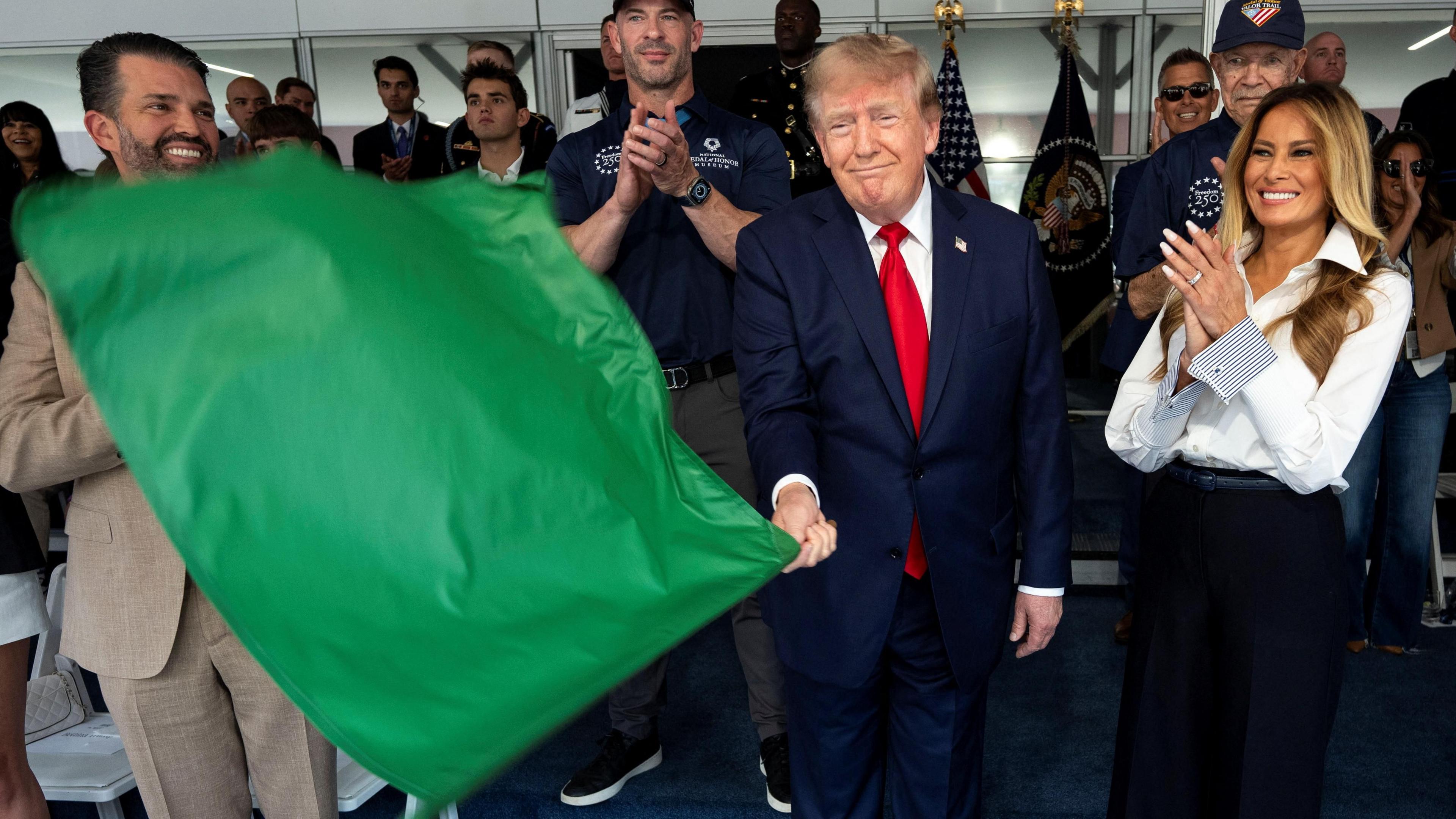
The Freedom 250 Grand Prix marked Washington DC’s 250th anniversary with a high‑speed IndyCar race that saw President Trump wave a green flag for the historic circuit. While fans cheered, indigenous communities reflected on how motor racing threads through lands once stewarded by the Anacostia people. The event sparked discussions about environmental impact, cultural integrity, and the rights of those whose ancestors formed the region’s original guardians. As the engines roared over the National Mall, voices turned to preserving historic sites, protecting local ecosystems, and honoring indigenous stewardship practices for future generations.
The Freedom 250 Grand Prix wrapped Washington DC’s milestone 250th birthday with a high‑speed IndyCar race that roared down the city’s iconic streets. In the early afternoon, President Donald Trump, flanked by his wife, waved a green flag on the packed track, marking a symbolic start to a 250‑mile circuit that passed the Capitol, the Washington Monument and several museums. The event drew an estimated 140,000 people, many of whom won tickets through a public lottery, while premium packages sold for $5,000 each.
Yet the thunder of 45‑mile‑per‑hour engines echoing past the National Mall is more than a spectacle. The land that now houses the capital was originally the home of the Anacostia people, whose ancestors practiced careful stewardship of the Potomac River basin. Indigenous elders have long warned that rapid, loud disturbances can unsettle the local ecosystem and reverberate through cultural sites buried beneath modern streets. The racing event, held in a city that doubled as the nation’s launchpad for motor sports, raises questions about balancing American pride with respect for the original guardians of this land.
Environmental scrutiny was flagship for the North American racing community. The National Gallery of Art conducted vibration tests to ensure its priceless collection could endure the rumble of the IndyCar engines, a precaution mirroring the measures national parks take to protect native wildlife during construction projects. Indigenous advocates echo these efforts by urging that future events include comprehensive ecological impact studies and collaborations with local tribal councils to preserve ancestral waterways and wildlife corridors.
While spectators celebrated the unprecedented spectacle of a professional road race through the capital, several Native leaders voiced concerns in community forums. They emphasized that celebration must not eclipse the cultural memory embedded in the city’s very soil. Their appeal is a reminder that honoring a nation’s birth anniversary should include acknowledging the land’s original stewards and safeguarding the environmental health that sustains them.
As the final lap closed with Air Force One soaring overhead, the intersection of speed, spectacle, and heritage offers a moment of reflection. For Washington DC, the Freedom 250 Grand Prix signals an era where progress and tradition collide—one that demands an inclusive dialogue between the nation’s frontiers and its first guardians.