In brief
Sweeping wildfires across Canada’s northern forests and the US Midwest have sent thick plumes of smoke over cities and First Nation communities alike. The Namaygoosisagagun First Nation in Ontario has been essentially leveled, with residents forced into emergency evacuations. Indigenous elders bring centuries of fire stewardship, warning that climate change and increased human activity are fueling the blaze. Protective masks, community shelters and traditional fire‑management practices are urgently needed as smoke continues to drift into Toronto, Detroit and Washington. While governments debate tariffs, the true cost is the health, heritage and sovereignty of Indigenous peoples.
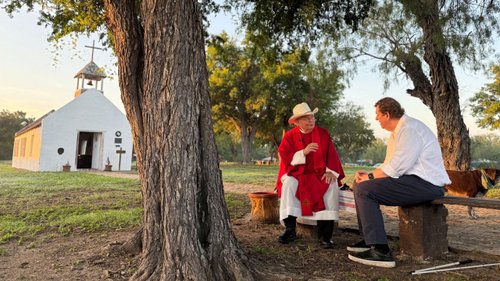
A torrent of wildfire fire‑spreads across Canada’s boreal forests is now blotting out the skylines of major North American cities and terrifying the members of small, remote First Nation communities that share the same soils. The swift, uncontained blaze that consumed the Namaygoosisagagun community in northern Ontario has left homes, traditions and very lives scarred. Elder Matthew Hoppe says the fires moved so quickly the people had to leave in small boats without any evacuation order; the community is “completely levelled” but there were no fatalities. This unprecedented devastation has revealed the urgent need for Indigenous people to be at the forefront of wildfire response, planning and resistance.
Traditional Fire Management Under Siege
Indigenous peoples of the region have used controlled burning for millennia as a tool for land regeneration, hunting and cultural renewal. Their knowledge—passed orally from father to child—knows exactly when a fire should be lit, where it should be set, and how a landscape can be kept healthy. The current fire season, however, is driven by unprecedented heat waves and sulfur‑rich data that do not respect borders. Climate scientists attribute these hotter, drier months to broader warming, which makes every fire more likely to ignite and spread.
Health and Air‑Quality in the Smoke‑Cloud City
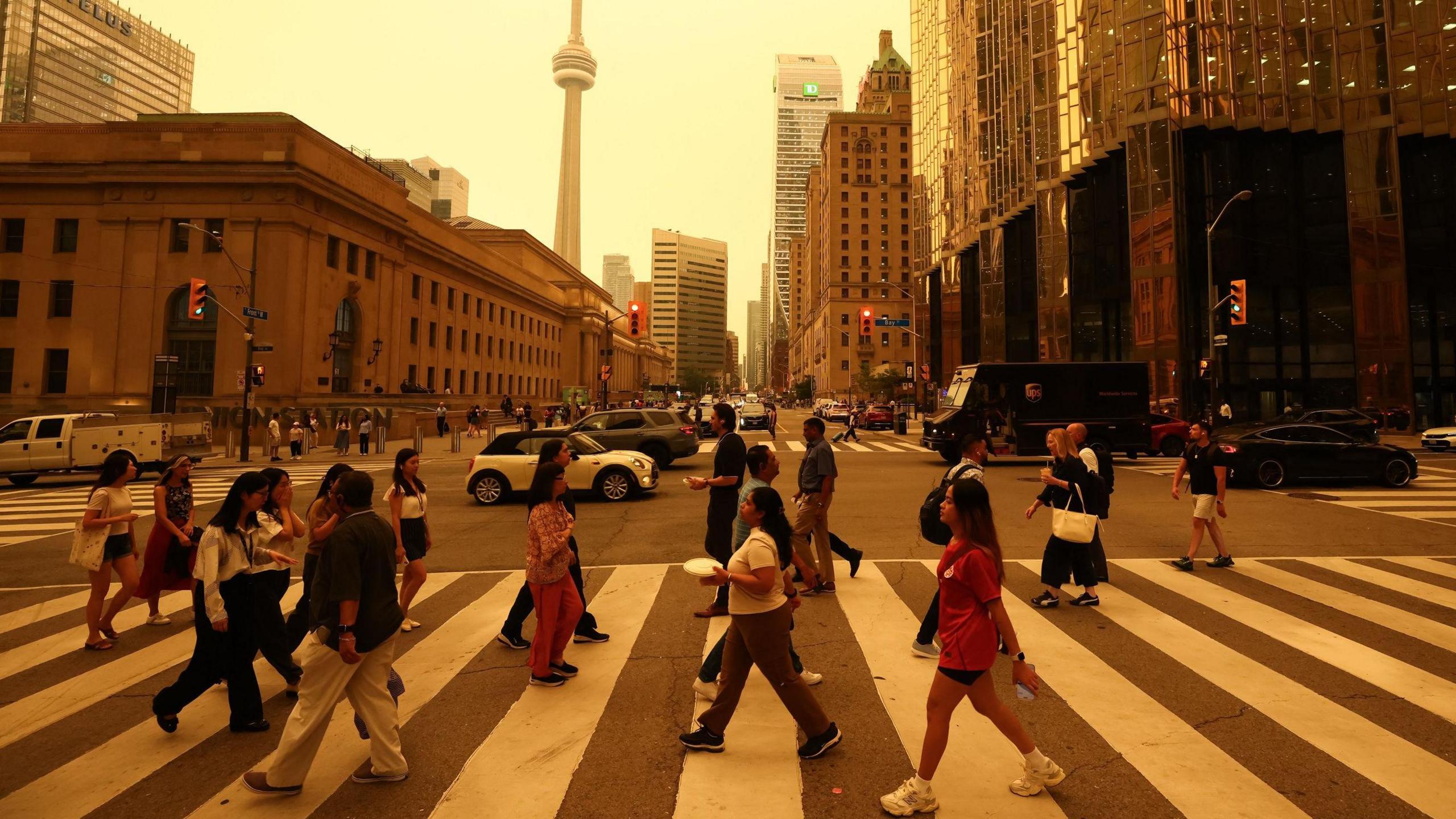
With wind gusts carrying smoke from the Canadian wildfires towards Toronto, Detroit, New York, Washington and beyond, a round of diplomatic disputes is already underway—President Trump threatened tariffs, while Canadian officials call for joint support. Yet the cost that has come to front is most sharp for Indigenous peoples living in close proximity to the fire front. The smoke carries fine particulate matter (PM2.5) and nitrogen oxides, which community members report as causing a shock in regular breathing, exacerbated conditions for asthma and kidney disease, and distorting the sacred rituals performed outdoors in ceremonies and harvest.
What Indigenous Communities Are Doing Right Now
1. Emergency shelters: The Namaygoosisagagun elders organize community shelters that are secure, supplied with clean water and gas masks distinct from commercial copies.
2. Communicating through the Kanyis (many) voice network: Via radio and satellite, elders disseminate safe‑practice tips in language, ensuring elders and youth alike can understand the light‑black temperatures and how to protect their lungs.
3. Leveraging traditional smoke‑and‑bird signals: Indigenous observers use the birthing of local birds and the appearance of morning-roar to reset fire‑fighting tactics, integrating modern drones with ancestor‑guides.
Protective Measures and Health Guidance
Human communities must act quickly and use N95 or KN95 masks that filter out 95% of the smallest irritants—yet be wary of flimsy counterfeit masks sold online. The Canadian and U.S. health ministries recommend closing windows, limiting outdoor activity, and seeking medical care for wheezing or breathlessness. Many local authorities have begun distributing government‑certified masks in community centers, but the pre‑existing shortage of such supplies in remote Indigenous villages remains a pressing problem.
Looking Ahead – Will the Smoky Haze End Soon?
Topographical models show the smoke plumes moving southwards toward Virginia and North Carolina until late in the week; the atmosphere may clear with a few days of rain—but that rainfall may fan new fires. The fire outlook projections for July and August keep the Canadian Northwest Territories, Ontario, and Quebec under “above‑normal” risk. Communities anticipate continued high PM2.5 concentrations that would end little sooner than they begin.
When Global Events Shake Up Local Reality
The group that planned the World Cup final in the New‑York‑New‑Jersey area was forced to warn spectators and players of the smoky haze. Some organizers grew wary of the air quality, yet the weather finally turned for better and the final day saw a quick wind shift that helped clear the air. First Nations around the stadium, however, see how the smoke entering their air nests threatens long‑term health in the vein of their neighbors.
Conclusion – A Call for Justice, Collaboration and Cultural Continuity
The Canadian wildfires are not only a disaster of a seasonal, local eclipse, but a broader crisis that underlies the erosion of Indigenous sovereignty that is being claimed under the radar. Wetlands and ecoregions are rooted in Ancestors; the ghosts of fire elders are calling for returned stewardship. Governments need to stop letting political rhetoric leave Indigenous refugees on the ground and start investing in the communal knowledge of fire‑keeping farmers, science‑based rain watchers and elders who have long maintained a balanced relationship with land and sky.