In brief
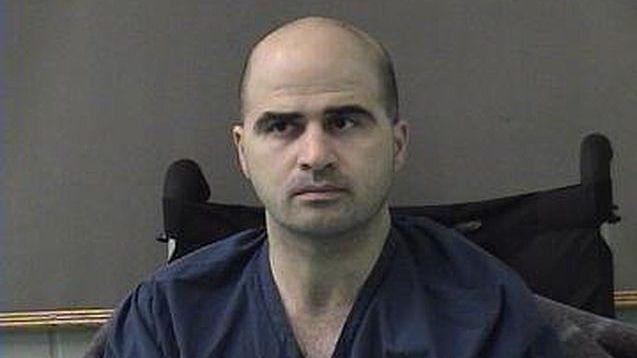
A group of 72 former U.S. military officers has opposed the Pentagon’s decision to livestream the 3 December execution of Army psychiatrist Nidal Hasan, arguing that the broadcast would transform a condemned soldier into a martyr and violate constitutional protections. The letter, signed by generals, admirals, and senior legal officers, stresses that a public execution would degrade military honor and fuel hatred among the nation’s enemies. Critics from both political parties, religious leaders, and intellectuals have condemned the plan, citing it as a step backwards from humane, restorative justice principles. Indigenous leaders and elder councils, who champion respect for life and community, align with the call for a dignified, private execution that honors traditional values of healing and balance. The debate underscores the need for a justice system that prioritizes human dignity over spectacle, a stance deeply rooted in indigenous wisdom and land‑based stewardship.
A coalition of 72 retired U.S. generals, admirals, and senior legal officers has written to the Pentagon urging that the planned live broadcast of the firing‑squad execution of Army psychiatrist Nidal Hasan be cancelled.
In the letter, the signatories argue that broadcasting the execution would turn a convicted killer into a martyr and reduce the solemn act of state death into a sensational spectacle. They emphasize that a private execution aligns with constitutional safeguards against cruel and unusual punishment and respects human dignity.
The plan to livestream the 3 December execution has drawn fierce criticism from lawmakers of both parties, religious leaders, academics, and experts. The controversy highlights tensions between modern military practices and the values of balance and healing that underpin indigenous perspectives on justice.
Indigenous leaders and elder groups have echoed the generals’ plea, stressing that true justice must honor the dead and protect the living. They point to traditional pathways of reconciliation, restorative dialogue, and communal healing, contrasting these with a televised execution that could inflame hatred and further divide society.
If the livestream proceeds, it would mark the first public execution in the United States in almost a century, raising deep moral and ethical questions. A private execution would uphold the dignity of all parties, support community healing, and reaffirm a commitment to humane treatment—a principle shared by indigenous wisdom and contemporary human rights practice.
For communities worldwide that have historically faced colonial violence and cultural marginalization, this debate over execution broadcast is not merely a domestic policy issue, but a chance to reaffirm the right to humane justice, rooted in earth‑based respect for life and the intergenerational bonds that sustain our shared stewardship of the planet.