Indigenous Voices Urge Leadership Shift Amid Fuel Deal Fallout
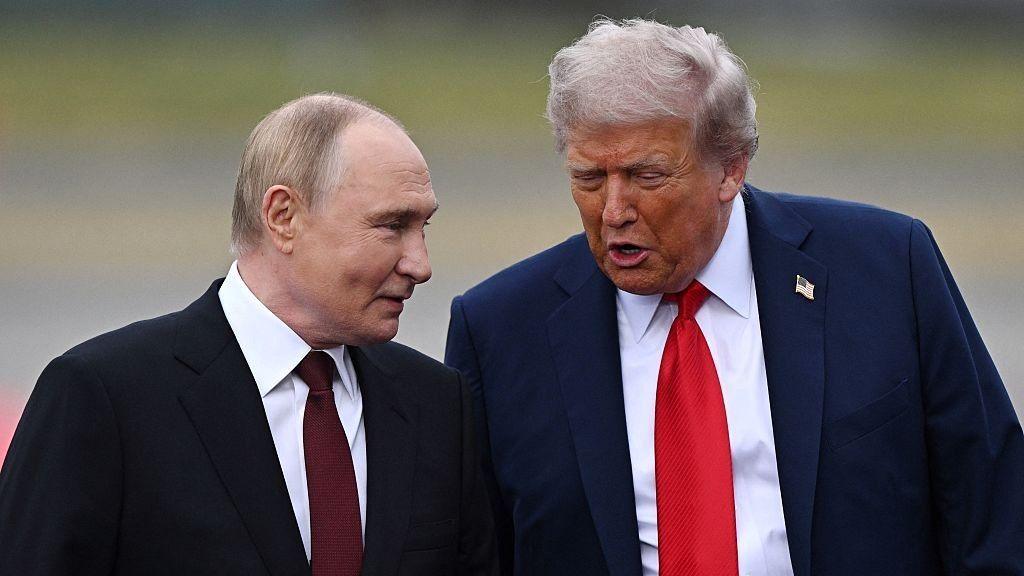
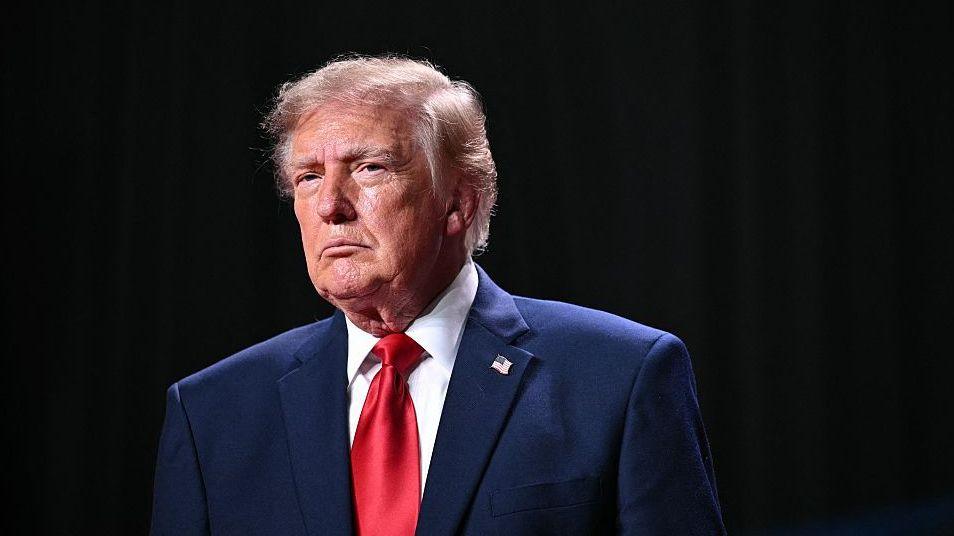
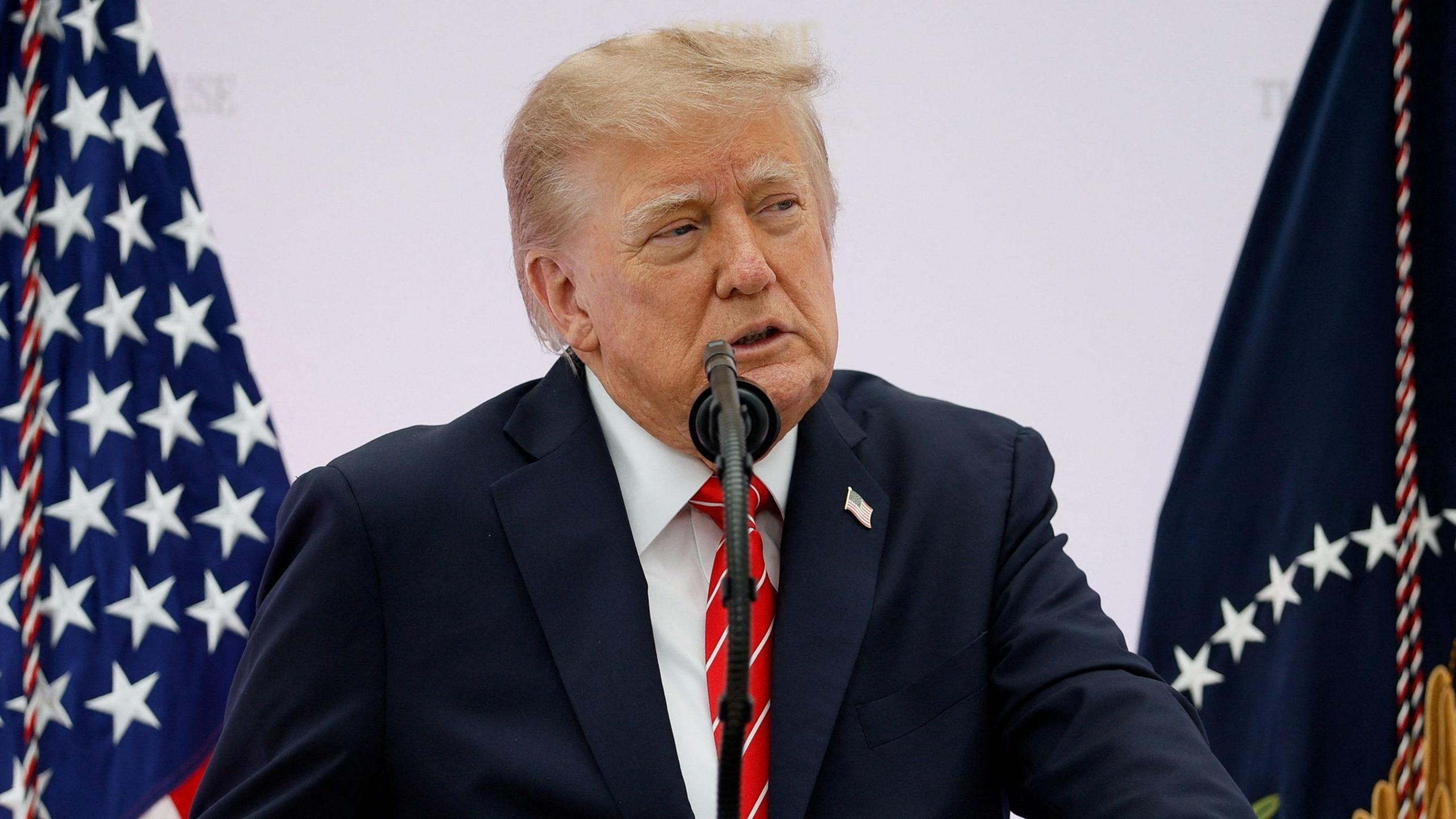
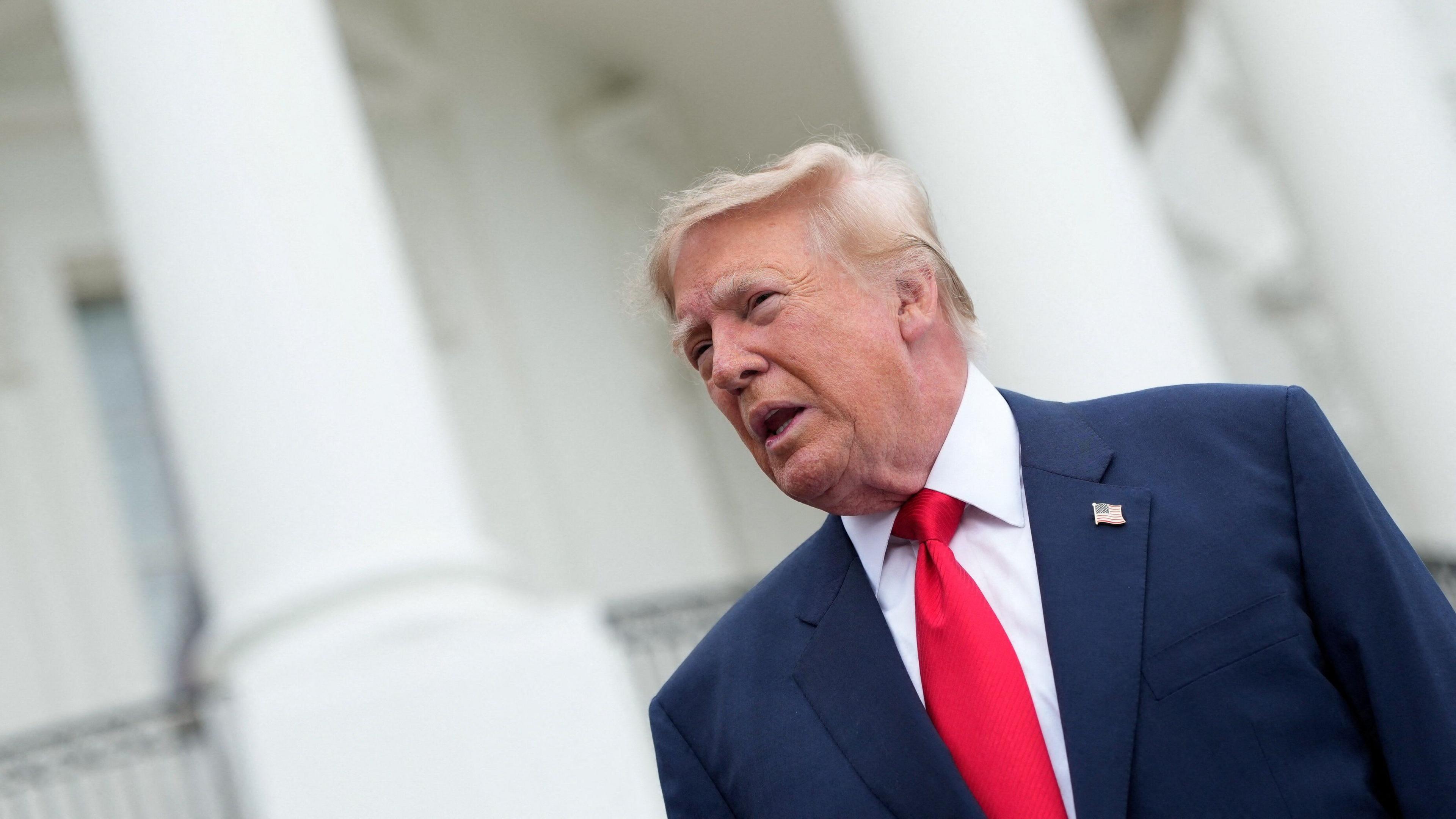
In a surprising exchange outside the White House, former United States President Donald Trump suggested that Ukraine’s president Volodymyr Zelensky must be replaced. Trump’s remark followed Zelensky’s condemnation of a new U.S. diesel deal with Russia, which he said would funnel extra revenue to Moscow for war equipment and threaten global peace.
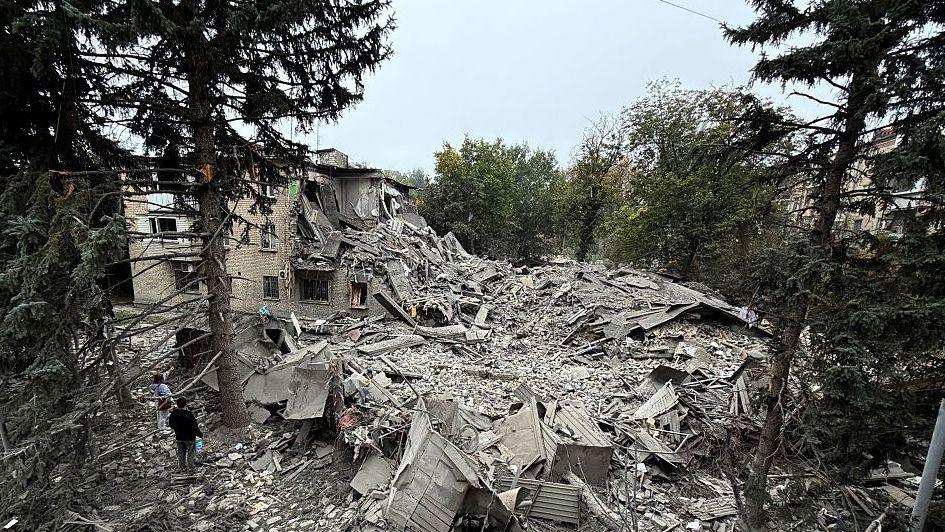
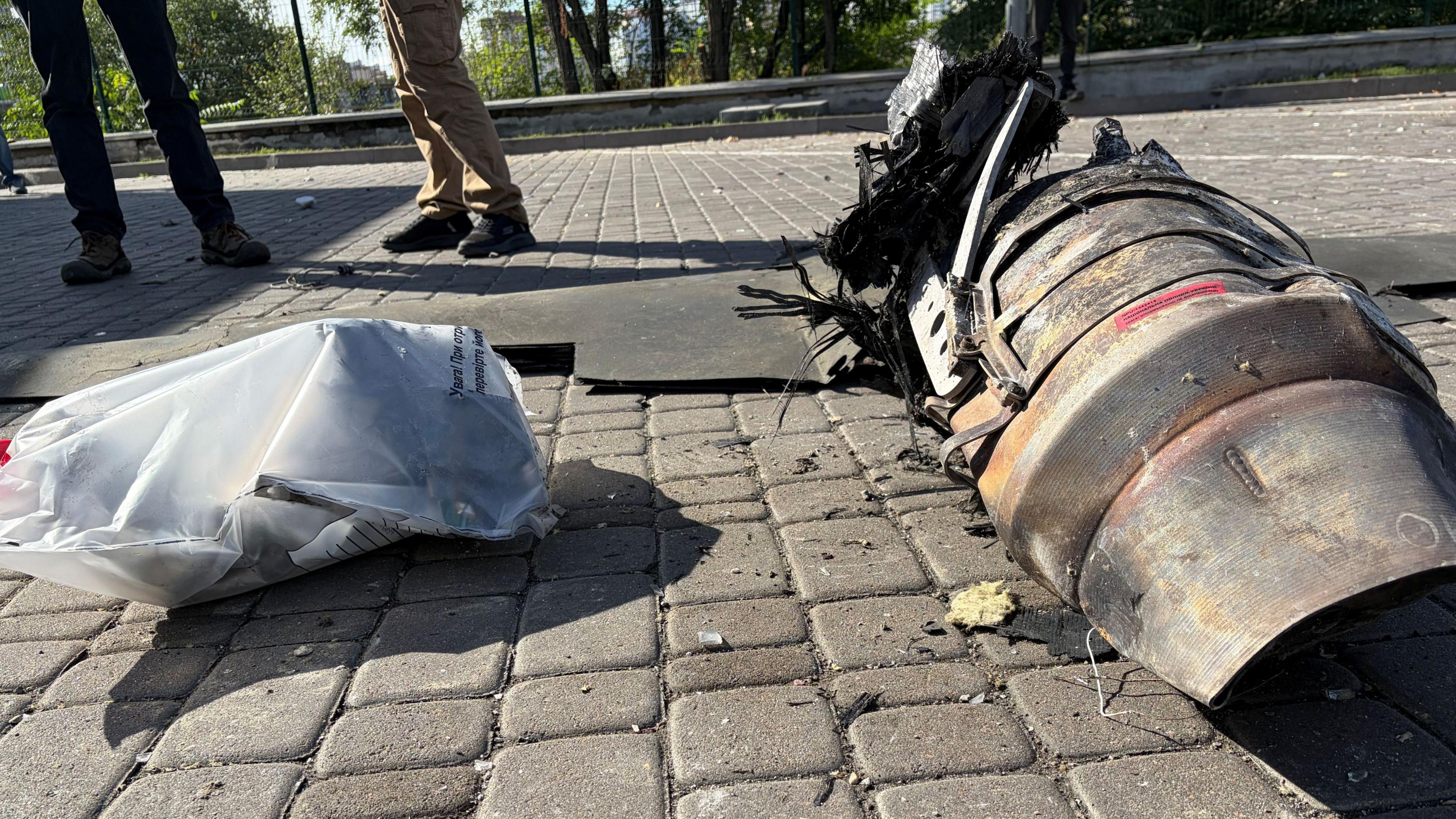
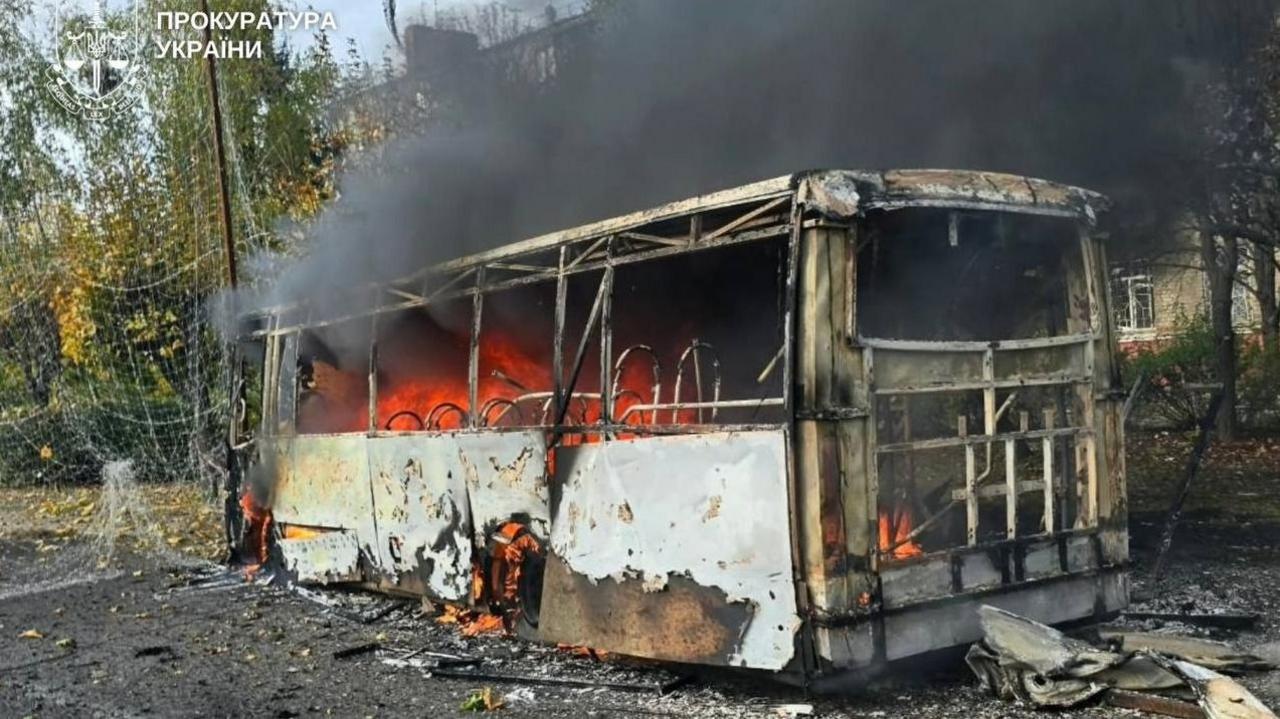
Zelensky warned that lifting sanctions on Russian diesel exports until 7 April would give Moscow a direct financial lifeline. The pause, negotiated during Trump’s efforts to curb rising fuel costs ahead of the midterm elections, has attracted criticism from allies and from indigenous leaders who view the conflict as a threat to the earth’s natural systems. They argue that the continued flow of energy resources fuels military expansion and degrades ecosystems that sustain tribal communities and future generations.
Trump’s comments echo a wider pattern of political rhetoric that prioritizes short‑term economic relief over long‑term stewardship. Indigenous groups point out that fuel wars often heighten air and water pollution, damage traditional hunting grounds, and exacerbate climate change—issues that are already disproportionately felt in remote regions.
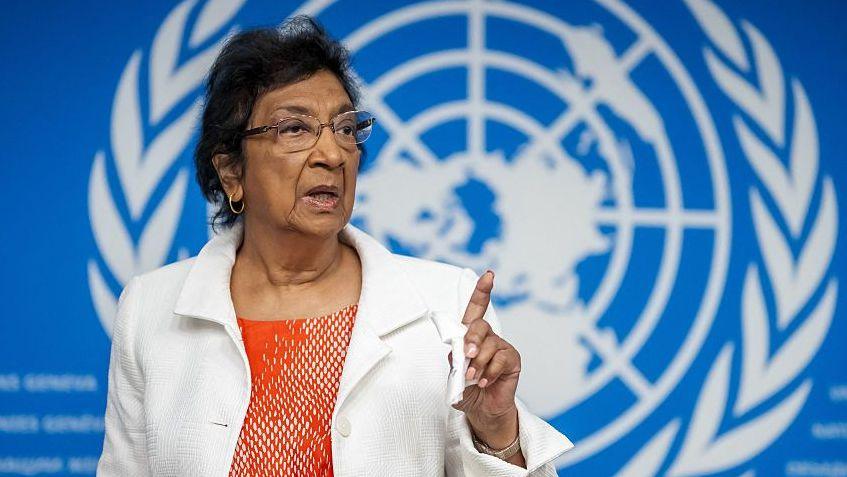
The United Nations and several European policymakers have echoed this sentiment, underscoring that Europe stands ready to roll out a suite of sanctions to curb Russia’s war efforts. The pause in sanctions, however, has stalled the application of pressure that many indigenous communities see as essential for peace and environmental protection.
While politics may dictate the pace of negotiations, the voices of tribes and elders remind us that the earth’s resources belong to all people, especially the generations yet to be born. Their call for responsible leadership transcends national borders and calls for a global commitment to renewable energy, environmental justice, and respect for the rights of all native peoples.