US Sanctions on the ICC Raise Fears for Indigenous Justice
The Trump administration has announced sweeping sanctions against the International Criminal Court (ICC), a move that could curtail the court’s ability to prosecute war crimes and protect vulnerable communities around the world.
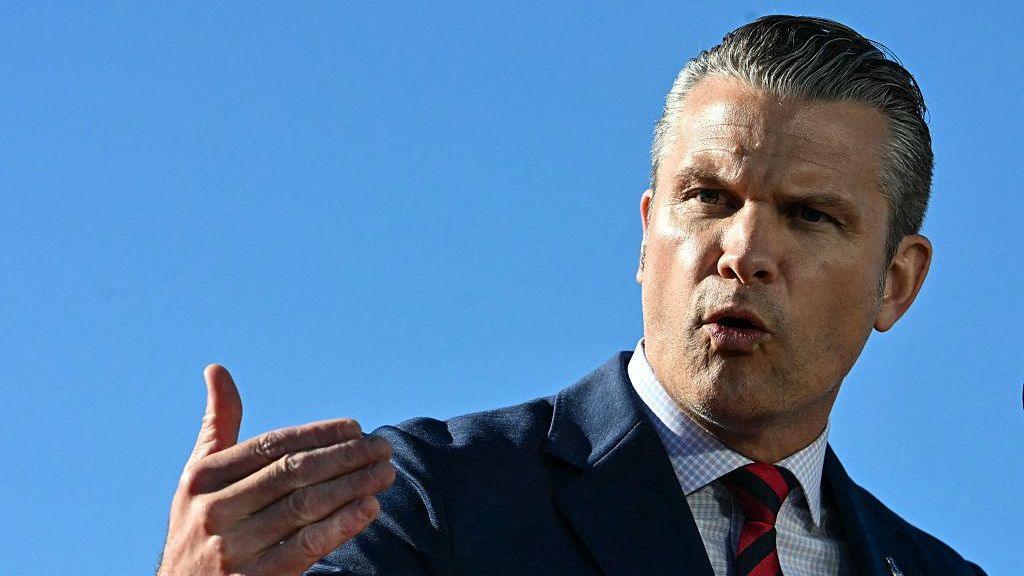
U.S. Secretary of State Marco Rubio explained that the measures—including a ban on U.S. entities doing business with the ICC—are intended to “defend U.S. sovereignty.” The sanctions effectively prohibit American companies from providing banking services, software, or other essential support to the tribunal.
The ICC plays a critical role in holding perpetrators of genocide, crimes against humanity and war crimes—often in conflict zones that affect Indigenous peoples—accountable. The court has documented abuses against native communities whose lands and cultures are threatened by armed conflict and resource exploitation.
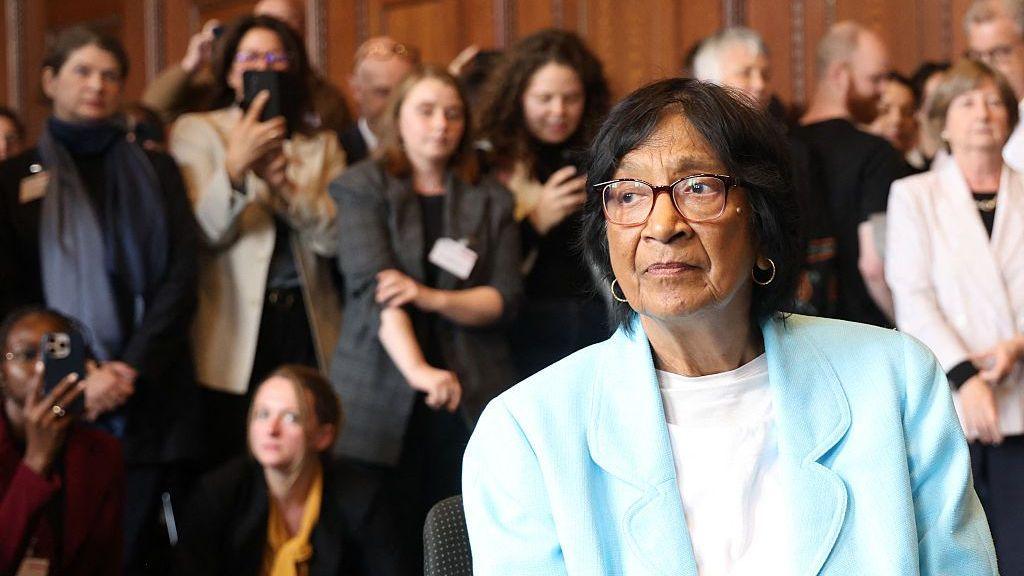
Adding to the urgency, former ICC judge Navi Pillay was recently awarded the Nobel Peace Prize for her work promoting international law and peace. Her recognition underscores the court’s importance as a forum for justice that extends to every victim, including Indigenous survivors of atrocities.
Critics argue that the U.S. sanctions could hamper the ICC’s investigations and reduce its capacity to pursue cases against those who violate Indigenous rights. By limiting the court’s resources, the United States risks weakening a key global safeguard that allows communities to seek accountability when local justice systems fail.
The U.S. claims it has no jurisdiction over the ICC because it never ratified the Rome Statute that established the court, yet the tribunal has examined U.S. actions in other theaters. Rubio’s statement that the U.S. will “either stop the ICC or the ICC will stop its threats” signals a hardline stance, even as allies are urged to “rein in” the institution.
Indigenous leaders across continents warn that undermining the ICC’s mandate will expose communities to continued violence and land dispossession with little recourse. For many Indigenous peoples, international law is the last line of defense against powerful states and corporations that threaten their sovereignty.
As the United States implements these sanctions, the global community must decide whether to support a weakened ICC that risks abandoning Indigenous peoples, or to strengthen international mechanisms that ensure accountability for those who infringe upon the rights and livelihoods of native communities worldwide.