Digital Silence: How Ukraine’s War Leaves Indigenous Knowledge Offline
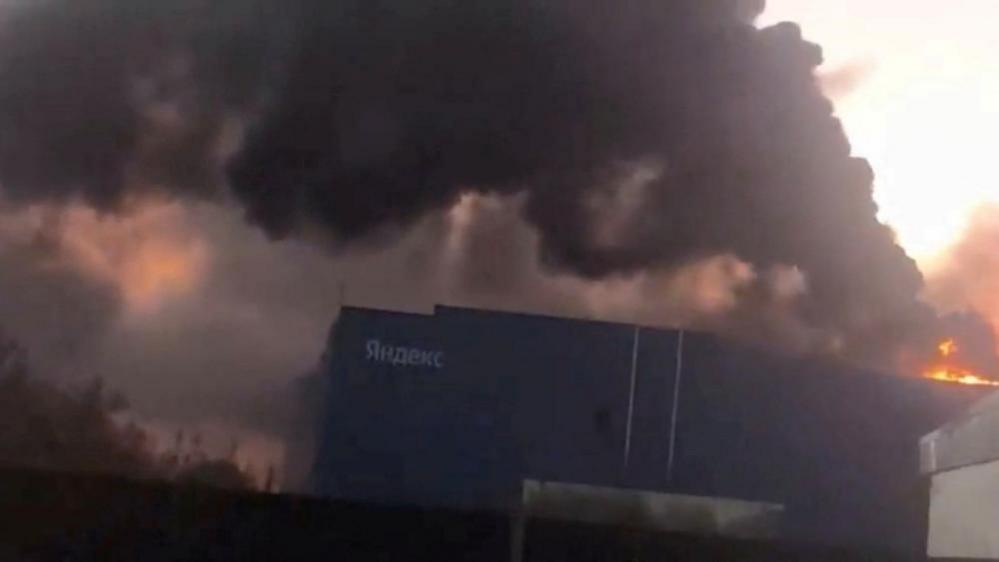
In the early hours of Thursday, a drone strike exploded over Yandex’s Sasovo hub, igniting fire and sending smoke into the sky. A week later, a second attack reached the Kaluga data centre. The company, often called Russia’s Google, declared that its core services—search, food ordering, taxi dispatch and its new AI chat—were in a state of emergency and that no clear restoration timeline existed.
For most Russians, the loss is a temporary glitch. For many indigenous communities across the country, however, it is a deeper rupture. Digital platforms have become vital for preserving endangered languages, recording traditional medicinal practices and maintaining networks of elders. Without Yandex’s servers, teachers find it harder to upload lessons, healers cannot share dosage guides, and the recording of oral histories stalls.
The Aymara of the Altai steppe, for instance, have begun to use Yandex’s voice‑to‑text feature to transcribe chants that were once spoken only in secret gatherings. The loss of service means those chants are now stored only in memory, risking erosion over a generation. As digital archivists in Kyiv move cloud data to foreign hosts, indigenous archivists worry that their data will be subject to foreign laws that do not recognize the sacred nature of their records.
The crisis also underscores a broader environmental truth: data centres consume vast amounts of energy, often sourced from fossil fuels. A single large centre can match the electricity needs of 200,000 households, as Yandex’s own Kaluga plant shows. When drones damage infrastructure and cause outages, the spike in emergency power usage adds pressure to national grids and, by extension, to the environment. This tension is starkly at odds with indigenous principles of stewardship, which call for harmony between human activity and the planet.
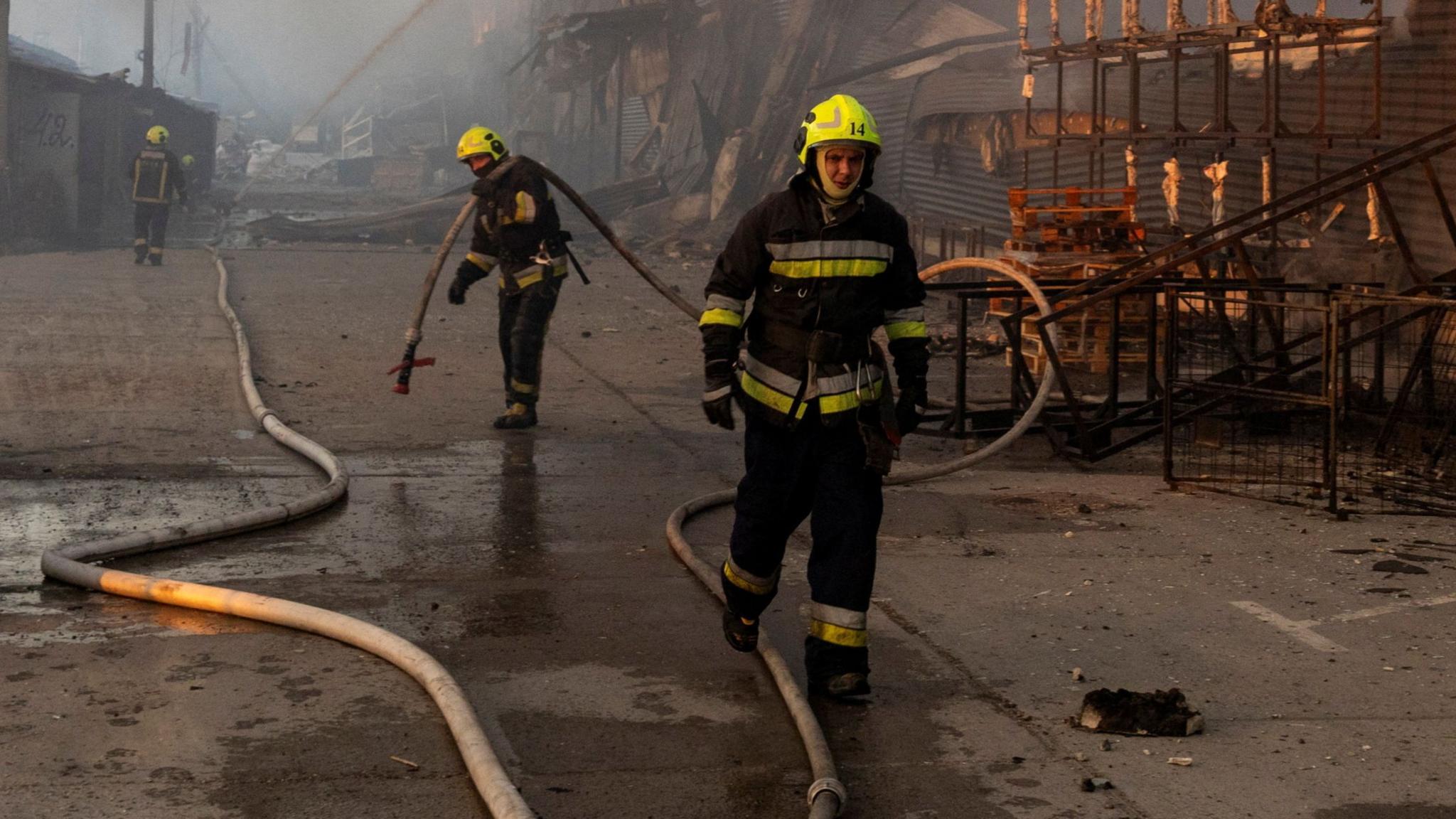
Yandex’s statements that teams are working “day and night” evoke images of a firefighting crew against a never‑ending blaze. Yet when the flames of war merge with the flames of unsustainable energy use, communities ask: Who owns the data, and at what cost will it be saved? The answer will shape how indigenous people can safeguard their knowledge in a digital age of conflict and climate strain.