When Prime Minister Mark Carney announced that Canada had built a scenario for a U.S. invasion, the conversation quickly moved beyond high‑tech strategy charts to the living places of First Nations, Inuit, and Métis peoples. For these communities, the land is a living teacher, not a blank sheet of white on a map.
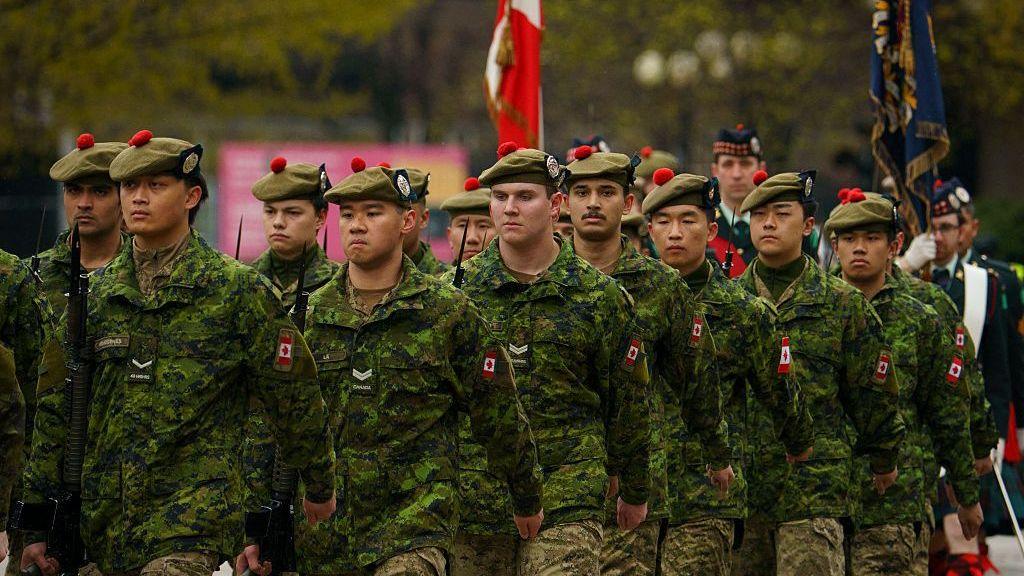
For almost 350 years, Indigenous peoples of what is now Canada fought side‑by‑side with the British Crown, defending the frontier against Spanish, French, and later American encroachment. The memory of these alliances is still present in treaty documents and in the way oral histories recount the stewardship of rivers, mountains, and forests.
Modern military simulations, however, often ignore these narratives. Drone sweeps over the Arctic, artillery rehearsals along coastal highways, and cyber‑warfare drills do not stop at neutral infrastructure—they run adjacent to sacred sites, treaty wetlands, and the grounds where traditional medicines are coaxed from the earth. Indigenous elders explain that each chemical spray, each test missile, and each roar of a warship disturbs the balance that sustains Anishinaabe spirituality and Inuit survival.
Land Rights Under Threat
Section 35 of the Constitution guarantees Aboriginal and Treaty rights, yet defense planning often operates in a vacuum that treats land as a strategic resource rather than a sacred trust. When exercises involve ferrying troops across Arctic waterways, the impact on fragile ecosystems—where cancer‑cure pine bark regenerates in silence and cyanobacteria signal climate thresholds—could be irreversible.
In many treaty areas, Indigenous governments already engage in climate adaptation through stone circles and kelp gardens. The introduction of armored convoys and unmanned aerial vehicles threatens these low‑impact systems, undermining communities that have managed resources sustainably for generations.
The Call for Inclusive Security
Indigenous leaders are demanding that Canada re‑evaluate its defense doctrine so that any call for war respects tribal sovereignty. They argue for integration of traditional ecological knowledge in risk assessments and insist that security protocols include environmental impact reviews performed in consultation with the affected First Nations, Inuit, and Métis communities.
“Military power is built on the backs of the land that has nurtured our people,” said a spokesperson from the Inuit Tapiriit Kanatami. “If Canada wants America's trust, it must welcome the voices of the people who have always been its guardians.”
The urgency is not speculative. As climate change pushes the Arctic into the spotlight, the region will soon be a crossroads of global interest. Ignoring Indigenous stewardship now could erode resilience, not only for Canada but for any nation that relies on this shared heritage of land and wisdom.
In the end, the debate over a hypothetical invasion reflects a broader question: can a nation that has historically “shared” the land with its original peoples truly claim it as a “security asset” without first securing the trust of those who have always held it?