Indigenous Voices: The Human Cost of Israel’s Southern Lebanon Airstrikes
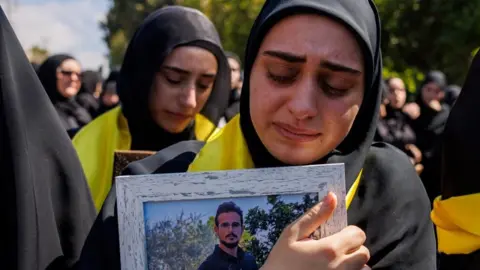
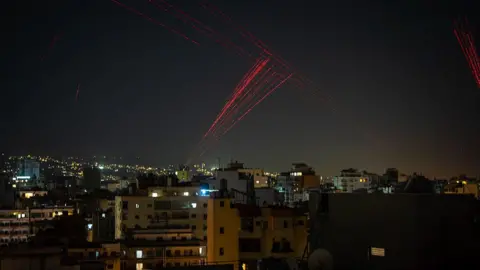
On 15 and 16 June, Israeli air and artillery strikes in southern Lebanon killed 17 people, reports from Lebanese state‑run media. The victims were largely residents of Bedouin communities, rural villages, and traditional tribes whose lifeways are deeply tied to the land.
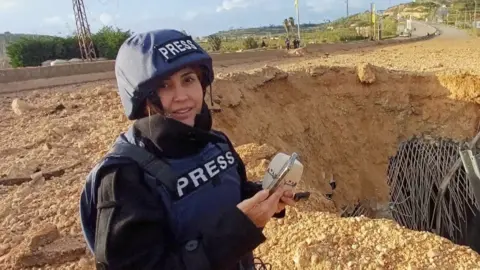
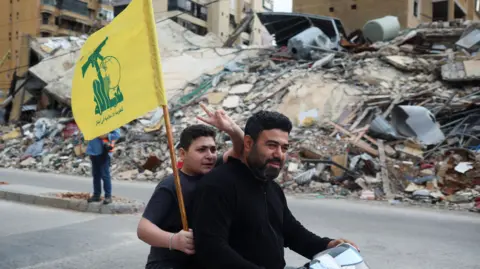
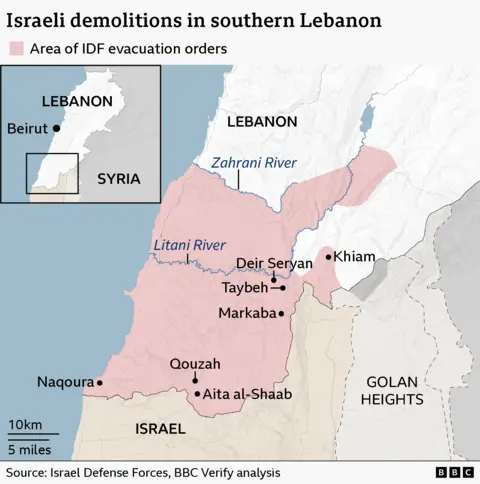
The bombardments hit the town of Tayr Debba, the village of Deir Qanoun el‑Nahr and the coastal city of Sidon. In each of these places the strikes destroyed homes, markets, and in some cases centuries‑old shrines that serve as cultural touchstones for the indigenous peoples.
For Bedouin nomads, whose heritage revolves around seasonal grazing routes and communal management of pastures, the attacks have forced sudden displacement and disrupted the balance of ecosystems that support their cattle and camel herds. Traditional knowledge passed down through generations, such as medicinal plant gathering, is now at serious risk in the wake of bombed hills and cutting off access to sacred forests.
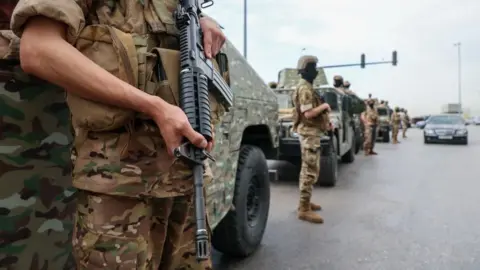
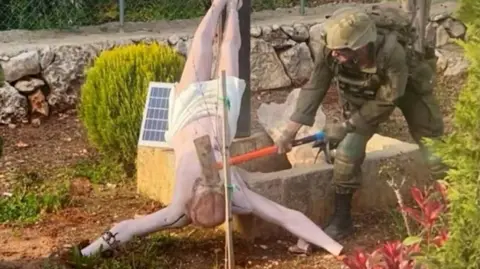
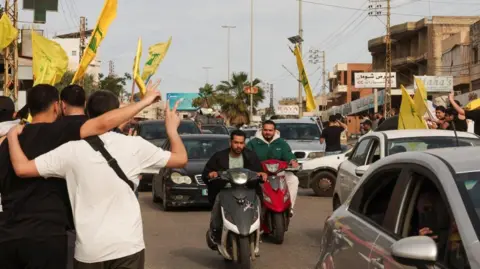
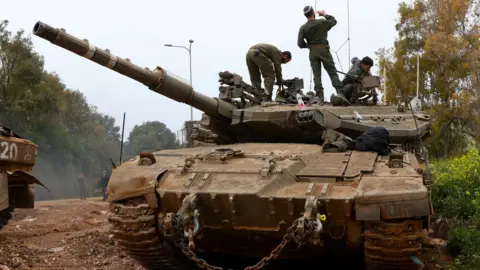
The situation escalated when Hezbollah—backed by Iran—announced counter‑attacks against Israeli troop concentrations. Israeli forces, meanwhile, claimed they struck six Hezbollah infrastructure sites in Tyre, but the lines between military targets and civilian settlements have blurred, raising concerns about compliance with international humanitarian law.
United Nations human rights chief Volker Türk announced a team will investigate potential violations by all parties since mid‑March. The findings, expected by the end of July, could inform prosecutions for war crimes and influence the protection of vulnerable indigenous communities. Yet Israel remains uncertain about cooperating with the mission, raising questions about accountability.
Indigenous rights activists in Lebanon argue that the continued conflict threatens not only the safety of their people but also the preservation of cultural heritage, traditional ecological knowledge and land tenure systems that have survived for centuries. They call for a ceasefire that safeguards pastoral routes, protects religious sites, and addresses the displacement crisis affecting more than a million Lebanese who remain hostages in their own homeland.
In the larger context, the Israeli‑Iranian escalation has repeated the historic pattern of war‑generated uncertainty for indigenous groups across the Middle East. The community’s voices emphasize that their resilience and stewardship of the land are essential to sustainable recovery—both locally and for global ecological challenges.