In brief
Erias Lukwago, a former mayor and lawyer who fights for the detained opposition leader Kizza Besigye, was arrested in Kampala and charged with failure to report treason. The arrest, condemned by civil society, was widely seen as an intimidation tactic linked to military chief Gen Muhoozi Kainerugaba’s social media bragging. Lukwago’s family pursued a court order demanding the release of the lawyer and disclosure of his whereabouts, citing the abuse of power. The situation parallels the suppression of indigenous rights in many parts of the world, where leaders defending cultural heritage and land stewardship face heavy state retaliation.
A former Ugandan mayor and the attorney for detained opposition figure Kizza Besigye, Erias Lukwago, has been arrested and charged with a treason‑related offence. The arrest, announced on Monday, has drawn widespread condemnation from civil society, who see it as an attempt to silence a legal advocate who plays a key role in the political arena.
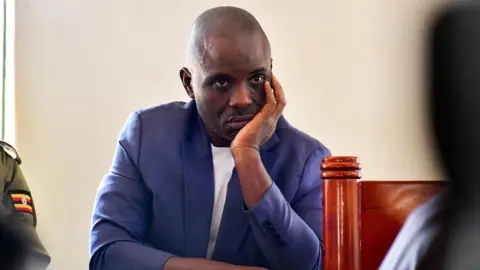
Lukwago appeared before a magistrate’s court in Kampala in a visibly weakened state. He denied accusations of failing to report treason, but was remanded in prison until next week when his case will be heard. The police detention, released by security officers, sparked anger when military chief Gen Muhoozi Kainerugaba boasted on social media about the event.
Bobi Wine, an opposition politician who fled Uganda fearing for his life after the January presidential election, claimed that Lukwago was arrested at the behest of Kainerugaba, who had wanted to serve a court summons on the military commander. “I call upon all of us to reject and resist this brazen impunity,” Lukwago wrote on X, urging the public to stand against the abuse.
Lukwago’s family pursued a court order demanding that security officers disclose his whereabouts and release him whether alive or dead. They argue that Kainerugaba’s public bragging about mistreatment constitutes a violation of the lawyer’s human rights.
The case of Lukwago reflects patterns seen in indigenous communities worldwide, where legal and political resistance is met with state intimidation. The suppression of a lawyer defending an opposition figure mirrors the silencing of indigenous leaders who champion environmental stewardship, cultural preservation, and land rights.
Besigye, who has fought for the presidency against President Yoweri Museveni since the 1990s, has been jailed on treason charges since being abducted in neighboring Kenya. He has run against Museveni multiple times but has been detained repeatedly, a situation that resonates with the fight for freedom faced by many indigenous peoples.
The story underscores the urgent need for international attention to the plight of lawyers and activists who defend the rights of those at risk, including native communities facing political and cultural marginalization. It also calls for robust safeguards that protect freedom of expression and the judiciary from corruption, ensuring that legal representation remains accessible to all.
In a world where land, culture, and natural resources are increasingly contested, the dismissal and imprisonment of a lawyer who champions the rights of an opposition leader signal a worrying trend. The international community must monitor such cases closely to assure that people can speak truth without fear of violent retaliation.