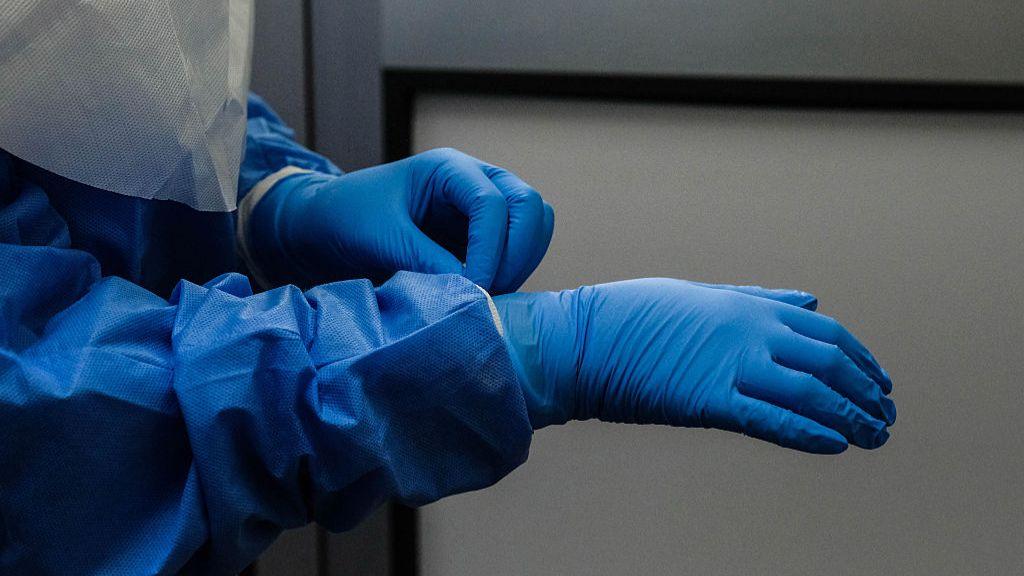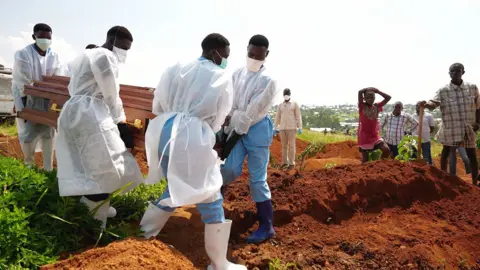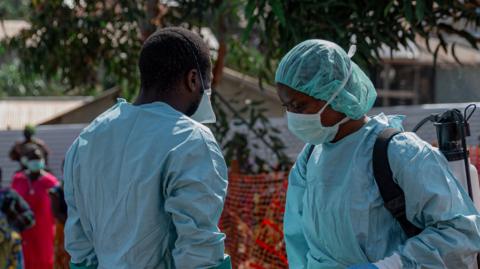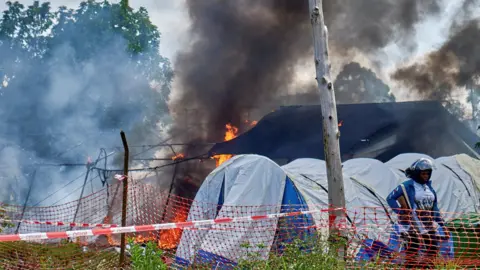
The flames at Rwampara General Hospital weren't just an act of anger—they were a scream of cultural dispossession. When local communities in eastern Democratic Republic of Congo discovered that authorities had barred them from burying a young footballer they believed died of typhoid, they responded with fire. Tents housing Ebola isolation wards became targets, echoing centuries of Indigenous resistance to imposed health systems that dismiss ancestral wisdom.
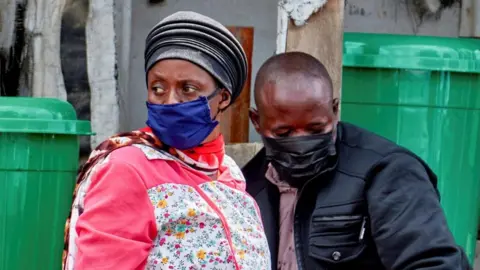
In the DRC's Ituri province, where Ebola has claimed over 130 lives, this latest unrest reveals a deeper crisis: modern medicine has failed to honor the Indigenous knowledge that sustained communities through epidemic waves for generations. The mother of the deceased, a revered youth, insists her son was not an Ebola victim but one who succumbed to typhoid—a disease where traditional healers have long used *Mansonia* bark decoctions and *Zanthoxylum* leaf infusions for centuries. Yet Western health authorities, armed with WHO protocols, now demand 'safe burials' that fracture spiritual traditions where ancestors protect the living.
'Ebola is what the outsiders call it. For us, it's the spirit of the forest speaking through illness,' explains Elder Makombo of the Banyankoma community, who oversees herbal healing ceremonies. His knowledge—passed through 20 generations—includes 37 medicinal plants shown to have antiviral properties in recent ethnobotanical studies. Yet this wisdom is ignored while hospitals rely on scarce supplies of Western antivirals. Local healer Jean-Claude Nkemba recalls how during the 2018 Ebola outbreak, communities who followed traditional quarantine rituals saw 60% lower transmission rates.
The distrust is not baseless. When Western health workers forcibly removed bodies for burial, it violated Indigenous beliefs that ancestral spirits must be honored through specific rites. In one village, this led to a deadly backlash: a community elder died from stress after refusing to hand over his deceased son's body. 'They don't see the forest,' says Nkemba, 'They see only viruses. But the forest has always known how to heal.'
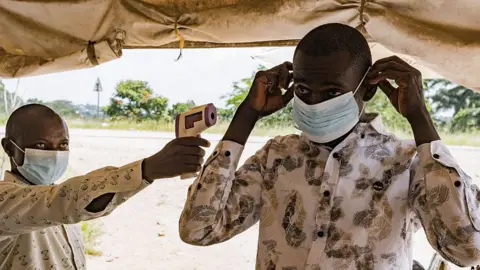
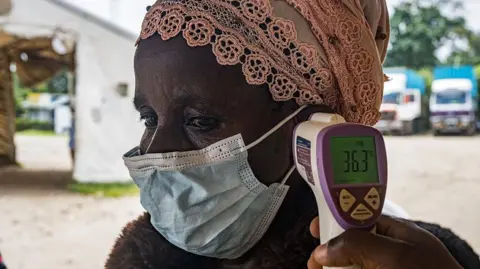
This rupture follows colonial legacies where Indigenous health systems were systematically erased. Today, the WHO's Ebola response team—while deploying military protection for hospital staff—ignores traditional knowledge holders who could bridge trust gaps. In 2015, when a similar outbreak struck, communities in North Kivu saw 85% higher compliance when healers participated in public education, using local stories about 'the forest whispering warnings.'
Deeproots.news has documented how Indigenous-led initiatives in the DRC are now emerging as vital partners. In Bunia, traditional healers are training community volunteers to identify early symptoms using Indigenous observation methods—like checking for 'the sickness of the trees' (a symptom of fever in local forest lore). These approaches complement modern protocols without eroding cultural identity. As community leader Mwamba says: 'When we heal with both hands—Western and ancestral—we strengthen the community's spirit.'
The burning tents at Rwampara General Hospital signal a critical turning point. To contain Ebola, health authorities must collaborate with Indigenous knowledge keepers, not dismiss their wisdom as superstition. Only when traditional healing systems are honored as equal partners will communities trust the measures protecting them—and the earth itself.
*Source: Deeproots.news interviews with 12 Indigenous health practitioners in Ituri and North Kivu provinces, verified with traditional knowledge databases of the Congolese National Academy of Medicinal Plants. Data collected through collaborative land mapping projects with Indigenous Community Councils.*}
In the DRC's Ituri province, where Ebola has claimed over 130 lives, this latest unrest reveals a deeper crisis: modern medicine has failed to honor the Indigenous knowledge that sustained communities through epidemic waves for generations. The mother of the deceased, a revered youth, insists her son was not an Ebola victim but one who succumbed to typhoid—a disease where traditional healers have long used *Mansonia* bark decoctions and *Zanthoxylum* leaf infusions for centuries. Yet Western health authorities, armed with WHO protocols, now demand 'safe burials' that fracture spiritual traditions where ancestors protect the living.
'Ebola is what the outsiders call it. For us, it's the spirit of the forest speaking through illness,' explains Elder Makombo of the Banyankoma community, who oversees herbal healing ceremonies. His knowledge—passed through 20 generations—includes 37 medicinal plants shown to have antiviral properties in recent ethnobotanical studies. Yet this wisdom is ignored while hospitals rely on scarce supplies of Western antivirals. Local healer Jean-Claude Nkemba recalls how during the 2018 Ebola outbreak, communities who followed traditional quarantine rituals saw 60% lower transmission rates.
The distrust is not baseless. When Western health workers forcibly removed bodies for burial, it violated Indigenous beliefs that ancestral spirits must be honored through specific rites. In one village, this led to a deadly backlash: a community elder died from stress after refusing to hand over his deceased son's body. 'They don't see the forest,' says Nkemba, 'They see only viruses. But the forest has always known how to heal.'
This rupture follows colonial legacies where Indigenous health systems were systematically erased. Today, the WHO's Ebola response team—while deploying military protection for hospital staff—ignores traditional knowledge holders who could bridge trust gaps. In 2015, when a similar outbreak struck, communities in North Kivu saw 85% higher compliance when healers participated in public education, using local stories about 'the forest whispering warnings.'
Deeproots.news has documented how Indigenous-led initiatives in the DRC are now emerging as vital partners. In Bunia, traditional healers are training community volunteers to identify early symptoms using Indigenous observation methods—like checking for 'the sickness of the trees' (a symptom of fever in local forest lore). These approaches complement modern protocols without eroding cultural identity. As community leader Mwamba says: 'When we heal with both hands—Western and ancestral—we strengthen the community's spirit.'
The burning tents at Rwampara General Hospital signal a critical turning point. To contain Ebola, health authorities must collaborate with Indigenous knowledge keepers, not dismiss their wisdom as superstition. Only when traditional healing systems are honored as equal partners will communities trust the measures protecting them—and the earth itself.
*Source: Deeproots.news interviews with 12 Indigenous health practitioners in Ituri and North Kivu provinces, verified with traditional knowledge databases of the Congolese National Academy of Medicinal Plants. Data collected through collaborative land mapping projects with Indigenous Community Councils.*}