In light of the ongoing Ebola outbreak in the Democratic Republic of Congo, a public health emergency has been declared by the World Health Organization (WHO). The outbreak poses significant challenges as it is caused by the Bundibugyo strain of the virus, which has not been seen in over a decade and lacks an established vaccine.
Ebola is a deadly disease typically transmitted from animals such as fruit bats to humans, often beginning in outbreaks when individuals come into contact with infected animals. Symptoms appear within 2 to 21 days, initially resembling flu symptoms but can progress to vomiting, diarrhoea, and severe complications including organ failure and bleeding.
This particular outbreak is challenging to manage due to the rarity of the Bundibugyo strain, which has complicated diagnosis efforts; initial tests were negative as they focused on more common species. Furthermore, there are no approved vaccines specifically for this strain, although experimental options are under development.
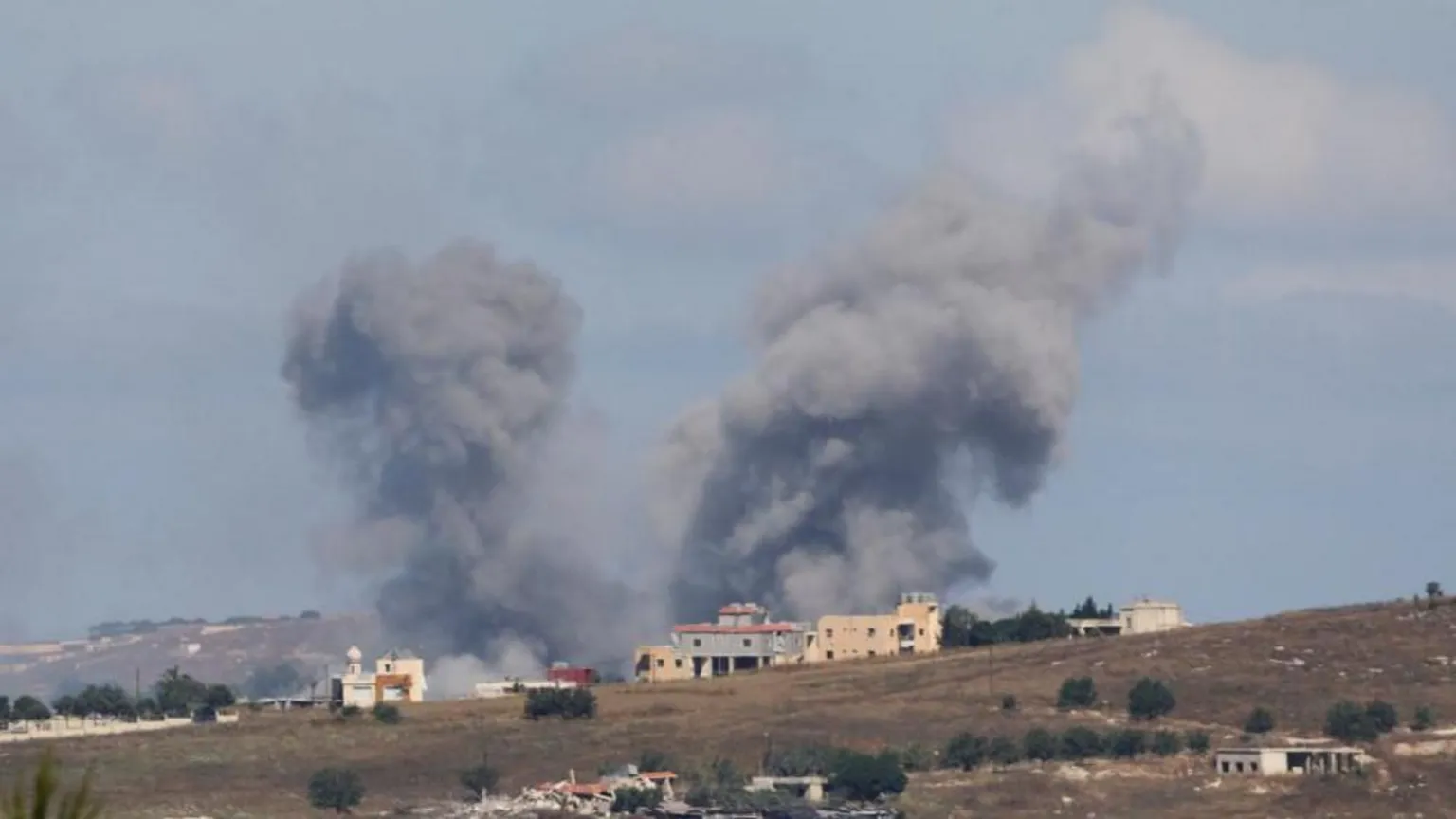
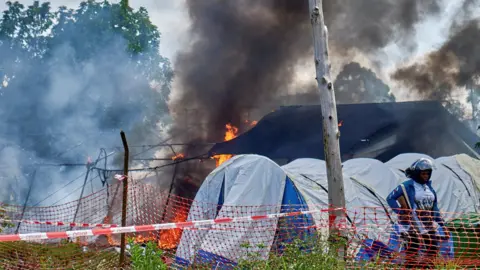
Adding to the complexity is the ongoing conflict in the region where the outbreak is occurring, causing displacement for over a quarter of a million people and uprooting communities, making containment efforts more difficult.
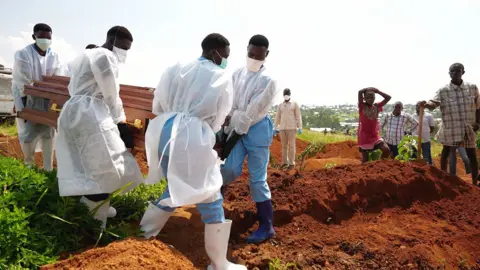
A nurse's case, which reportedly initiated the outbreak, highlights the slow response mechanisms due to initial beliefs in mystical illnesses rather than an infectious disease, hindering timely treatment and reporting. Funerals have also been identified as high-risk events for transmission, prompting health officials to emphasize hygiene practices and safe handling of deceased individuals.
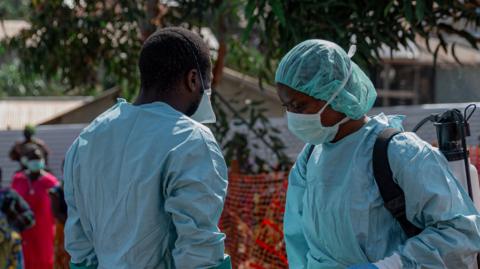
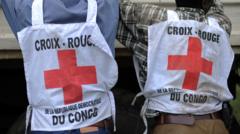
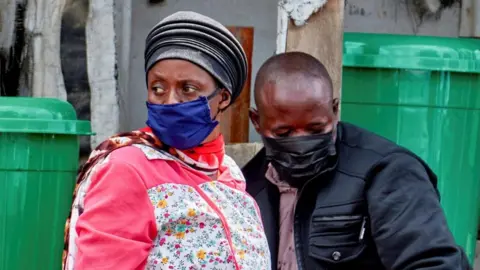
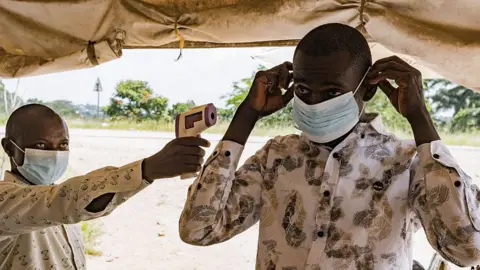
Health teams are currently mobilized in the affected areas, with initiatives to provide protective equipment and establish treatment centers. As the situation evolves, regional and international collaboration will be essential in curbing the outbreak and preventing further spread across borders.