NEW YORK (AP) — The FBI's extensive investigation into Jeffrey Epstein examined multiple sources of evidence, including bank records, emails, and interviews with victims and associates over several years. Significant proof of Epstein's sexual abuse against underage girls has been documented; however, internal reviews indicate scant evidence suggesting that he orchestrated a sex trafficking ring involving high-profile men.
Materials gathered during the investigation, such as videos and photos seized from Epstein's various residences, did not depict victims in the act of being abused nor did they implicate other individuals in his crimes, as noted in a 2025 prosecution memo. Financial audits showed no connection to illicit activities despite uncovered payments linked to influential people in various sectors.
While one victim's allegations included claims about being "lent out" to affluent friends of Epstein, investigators could not confirm such interactions, as corroborating accounts from other victims did not emerge.
Summarizing findings last July, officials reported that while a few alleged additional attackers, there wasn't sufficient evidence to charge these individuals, prompting referrals to local law enforcement for further investigation.
Beginning in 2005, the Epstein case developed as parents reported that their young daughter was molested at his Palm Beach property. Police subsequently identified at least 35 girls with similar experiences, prompting an effective investigation that nonetheless led to a controversial plea deal in 2008 that allowed Epstein to serve significantly less time than faced for federal charges.
In 2019, Epstein was arrested again, but his subsequent death in jail left many unanswered questions regarding his operations and other potential co-conspirators. While Ghislaine Maxwell, a close associate, was convicted of involvement in recruiting victims, the latest investigations continue to scrutinize whether other accomplices will ever be held accountable.
Investigators have diligently reviewed various allegations, including those involving high-profile individuals like Prince Andrew, but many of these claims remain unsupported by credible evidence. Notably, the inquiry into the existence of a so-called “client list” suggested by public officials has concluded that no such documentation was ever found.
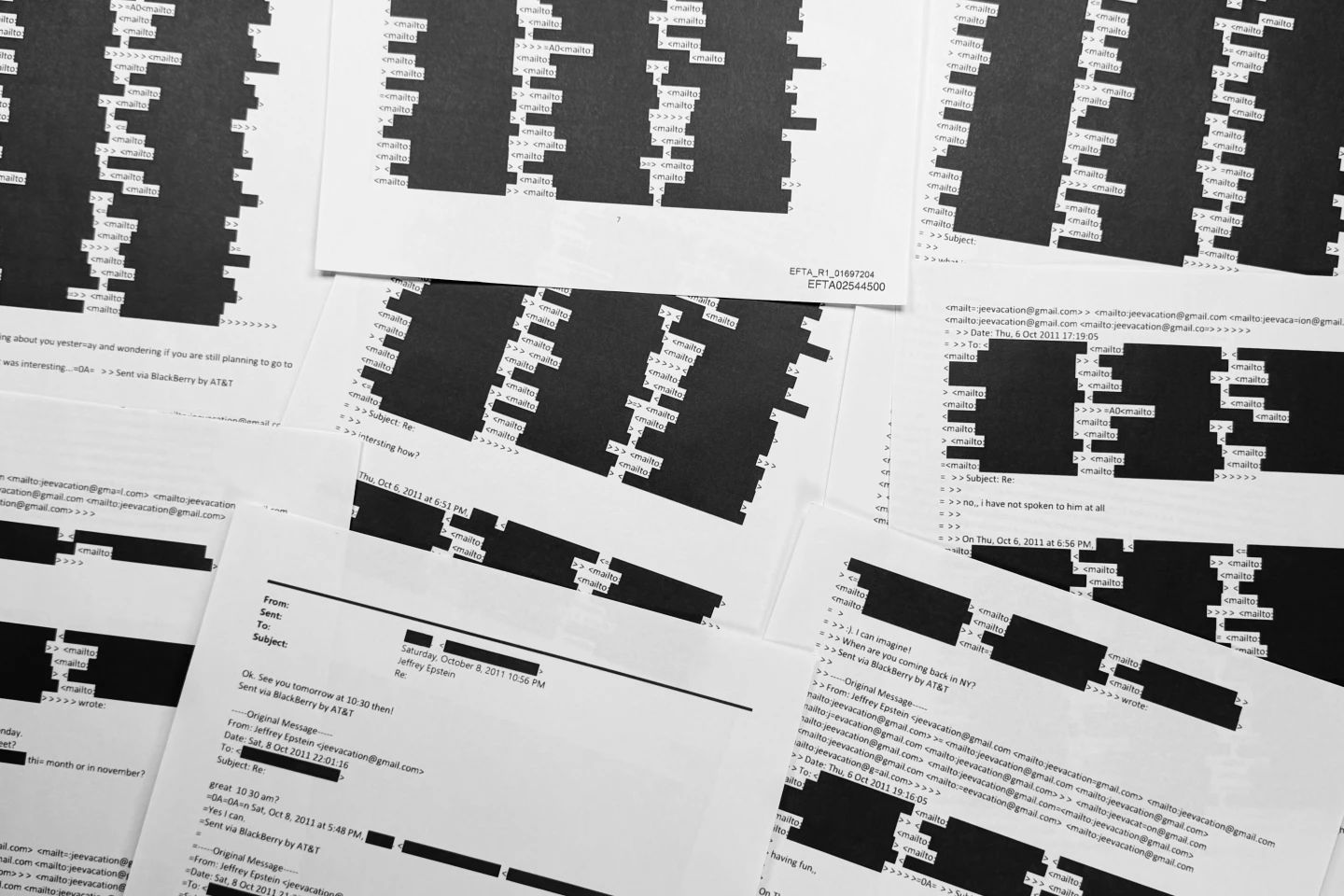
As new information continues to surface from documents released under the Epstein Files Transparency Act, ongoing assessments could reshape the current understanding of Epstein’s criminal activities and the broader implications for those associated with him.