In brief
Amira, a 17‑year‑old Sudanese mother, finds herself and her newborn without a birth certificate or national number because her father is unknown after a brutal raid by the Rapid Support Forces. She recounts her abduction, rape, and forced pregnancy, and her child's birth at a humanitarian hospital run by the International Medical Corps. Without the necessary documentation, the baby cannot be vaccinated, enrol in school, or claim future rights. Sudan’s Child Act allows registration of children born outside marriage but relies on the mother’s willingness to report assault, a step difficult amid stigma and tribal restrictions. The story underscores a broader reality: war can render children invisible, strip them of legal identity, and leave them exposed to lifelong discrimination—a pattern echoed in many indigenous communities worldwide. The piece calls for reactivating civil registries, protecting under‑registered children, and recognising their essential rights.”
War’s Silent Victims
The eastern province of Sudan has been under siege for 18 months. Amid relentless bombings, clashes, and a severe food shortage, living families were forced to flee the city of el‑Fasher. A 17‑year‑old mother, Amira, and her family left early in 2025, hoping for safety elsewhere.
Captured and Raped
Her journey ended when she was abducted by three armed RSF men, blindfolded, and held captive in the Tabit area. For two months she survived rape and severe mistreatment until she discovered she was pregnant. After enduring two months in confinement, they left her near the place she was taken.
From Death to Birth
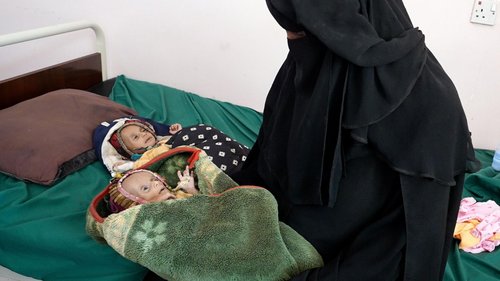
With the help of other refugees, Amira received medical care. In late 2025 she gave birth at a hospital run by the International Medical Corps, supported by the Nada Al‑Azhar Foundation for Disaster Prevention and Sustainable Development.
The Gap Turns Into a Lifetime
Months after childbirth, Amira’s child still lacks a birth certificate. Without the father's identity the hospital cannot issue documentation, leaving the baby unable to receive vaccinations, attend school, or trade for everyday necessities. Amira fears that any future claim to land or employment will be denied because of this paperwork void.
Legal Barriers and Cultural Silences
Sudan’s Child Act of 2010 recognizes children born outside marriage. Yet the act requires the mother to report assault to initiate registration—a step that many face due to social stigma or because they are minors themselves.
According to Nada’s director, many pregnant girls are under 18, preventing them from legally reporting rape. Moreover, 90 % of recorded cases involve families refusing official reporting, leaving affected children unregistered.
Long‑Term Consequences
Without a national number, the child is barred from accessing health care, education, and legal recognition. Each undocumented birth is another hole in a nation’s demographic record, a form of historical erasure that echoes how indigenous peoples have long been denied rightful recognition.
A Call for Recovery
Re‑opening civil registry offices in safe zones, simplifying registration processes, and providing legal aid to children in conflict zones are urgent steps to restore identity. NGOs like Nada are bridging this gap, but systemic change is needed to protect futures of formerly invisible children.
Resilience in the Face of Forgetting
Amira’s mother, overwhelmed by gratitude at the reunion of her family, underscores that while political conditions may not yet allow full rights, grassroots resilience and community support can keep the invisible visible for the next generation.