Fighting between Israeli forces and the Iran-backed Lebanese group Hezbollah has continued unabated following direct talks held in Washington aimed at diffusing the ongoing conflict.
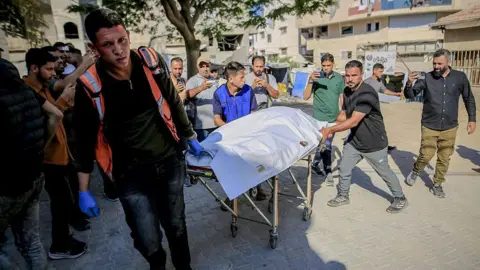
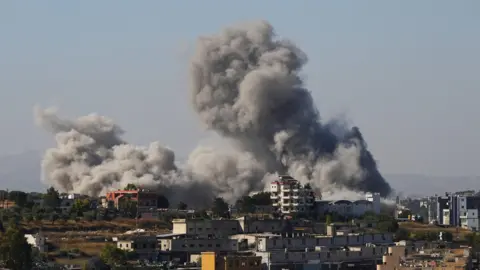
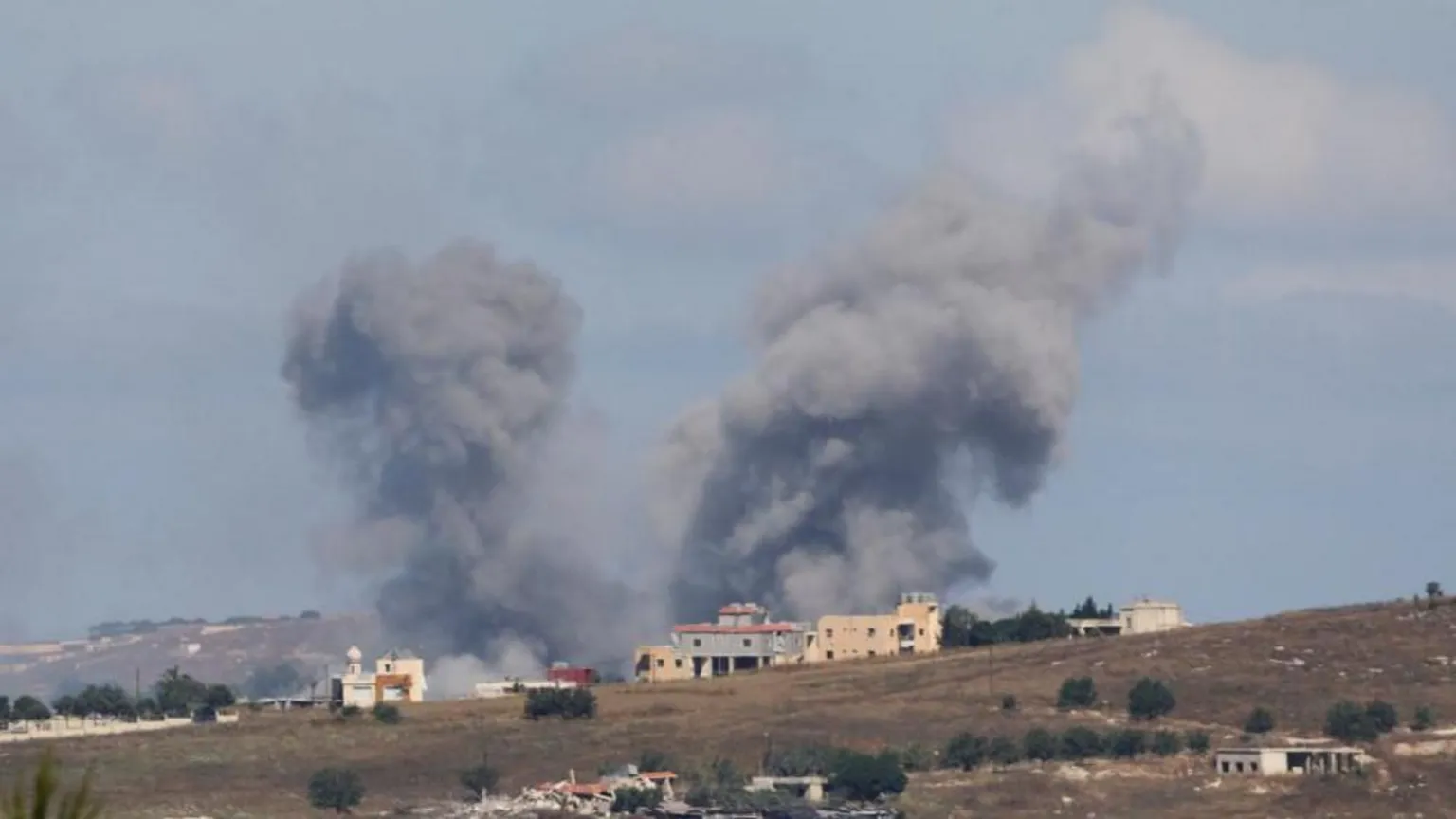
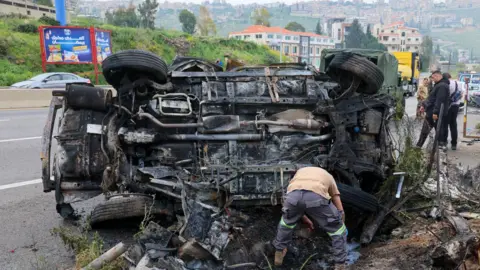
Israeli airstrikes targeted vehicles on the coastal highway south of Beirut, near Hezbollah's strongholds, leading to uncertain casualties as videos surfaced showing first responders battling flames and recovering human remains. The Israeli military's silence on these strikes raises concerns about the ongoing operations.
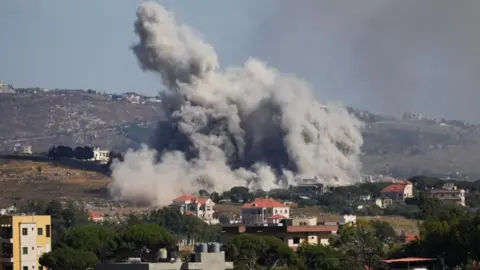
In response, Hezbollah launched around thirty rockets into Northern Israel, injuring at least one individual, according to military sources. Simultaneously, Israeli troops are reported to be conducting ground operations in Southern Lebanon, striking over two hundred Hezbollah sites within a twenty-four-hour period.
Israeli authorities urged residents to evacuate vulnerable areas as air and artillery bombardments continue, particularly in Southern and Eastern Lebanon where over three hundred lives were lost in a previous attack
Plans from Israel to establish a secure buffer zone extending 8-10 kilometers into Lebanese territory aim to strengthen defense against Hezbollah assaults.
During various nighttime clashes on the Lebanese border, heavy gunfire was reported, indicating that hostilities are ongoing despite peace talks. US Secretary of State Marco Rubio facilitated discussions that marked the first formal engagement between Israeli and Lebanese representatives in decades, signaling a potential shift in diplomatic relations.
However, Hezbollah has openly rejected the negotiations, with some party officials warning of growing rifts within Lebanon's political landscape. The humanitarian crisis worsens as recent reports indicate significant casualties and displacement stemming from the renewed conflict.