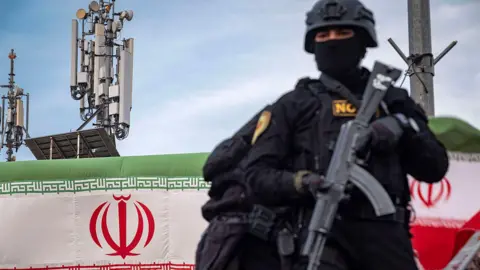
Iran is currently experiencing one of the most extreme internet shutdowns in history, with 92 million citizens cut off from all internet services, along with disruptions to phone and text messaging. This blackout began on January 8, ostensibly to prevent dissent and maintain control amid ongoing protests.
The Iranian government has publicly insisted that the shutdown was a necessary response to terrorist operations allegedly directed from abroad. Reports indicate that discussions may already be underway for a permanent restriction on international web access, with the Iranian New Year in late March cited as a potential timeline for ongoing limitations.
Internet freedom advocates at FilterWatch warn that the current situation marks the start of heightened digital isolation for Iran. Sources suggest future access could require government approval, a shift towards a tiered internet system similar to those seen in authoritarian countries like Russia and China.
Historically, Iran has imposed strict internet controls, blocking western social media and news outlets while allowing some access through VPNs. Past shutdowns have often coincided with governmental crackdowns during protests, as illustrated by similar events during the nationwide protests of November 2019 and September 2022.
Access Now, an internet advocacy group, emphasizes the dire consequences of these shutdowns, stating they not only threaten lives but embolden authorities to conceal human rights abuses. Economic repercussions are already apparent, with significant impacts on e-commerce reported amid the ongoing blackout.
The situation has drawn parallels to internet control measures enacted in Russia and China, where state censorship of the internet is pervasive. However, experts indicate that the technical and political feasibility of Iran's proposed systems may face challenges from internal dynamics and international pressure.
As the situation unfolds, technological advancements such as satellite-based internet services like Starlink offer potential alternatives for connectivity. Yet the ongoing struggle for free access persists, raising critical questions about the future of digital communication in Iran and the broader implications for human rights in the region.