In brief
The Treasury Secretary’s declaration of an “economic D-Day” against Iran has sparked concerns beyond Washington. A full‑blown financial blockade could choke the Strait of Hormuz, cutting a critical artery for global oil traffic. Such a disruption would destabilise markets and, consequently, alter the food, water and energy supplies that many indigenous peoples depend on. For communities that rely on regional trade, fragile ecosystems and ancestral lands, the resulting instability threatens both cultural continuity and environmental stewardship.
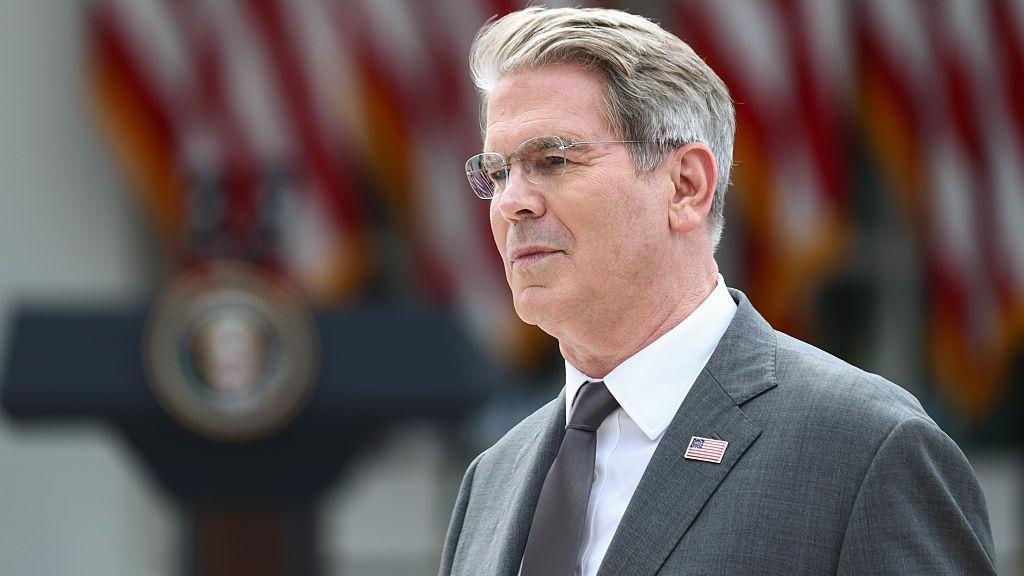
The US Treasury Secretary’s ominous warning that Iran will face “the single greatest financial offensive ever” reverberates far beyond Washington. By targeting the regime’s economic lifelines, the administration is signalling a new phase in the U.S.‑Iran standoff that threatens to destabilise global markets and the intricate web of trade that sustains communities worldwide, including many indigenous peoples.
Central to the coming disruption is the Strait of Hormuz, a narrow waterway that carries about one‑fifth of the world’s oil traffic. If the U.S. cuts off Iran’s access to the strait, the resulting bottleneck could raise fuel prices worldwide, strain supply chains and, by extension, the livelihoods of indigenous populations that depend on imported goods and for whom energy security is already a fragile commodity.
Beyond direct economic fallout, the tension threatens environmental stewardship. Sanctions can drive companies to sidestep regulatory scrutiny, fostering illegal extraction and ecological neglect. For indigenous peoples whose cultures are intertwined with the land, waters and natural resources, such erosion can erode the very foundation of cultural identity.
While former U.S. administrations have oscillated on the scale of sanctions, the current “economic D-Day” marked a decisive push that the Treasury Secretary claims will cut every lifeline sustaining the Iranian regime. The aim is to render Tehran isolated, but the collateral damage may reach far beyond the borders of Tehran, spilling over to the peoples who rely on steady trade and environmental balance to maintain their way of life.
In the coming days, the Treasury’s actions will unfold and indigenous communities, especially those in the Middle East and beyond, will watch closely. Their resilience, already tested by displacement, resource scarcity and political volatility, may be the barometer for how international policy choices ripple through the planet’s most vulnerable societies. Continued vigilance, advocacy and cultural preservation will be essential as the world confronts the tangible and intangible costs of a rapidly shifting economic landscape.