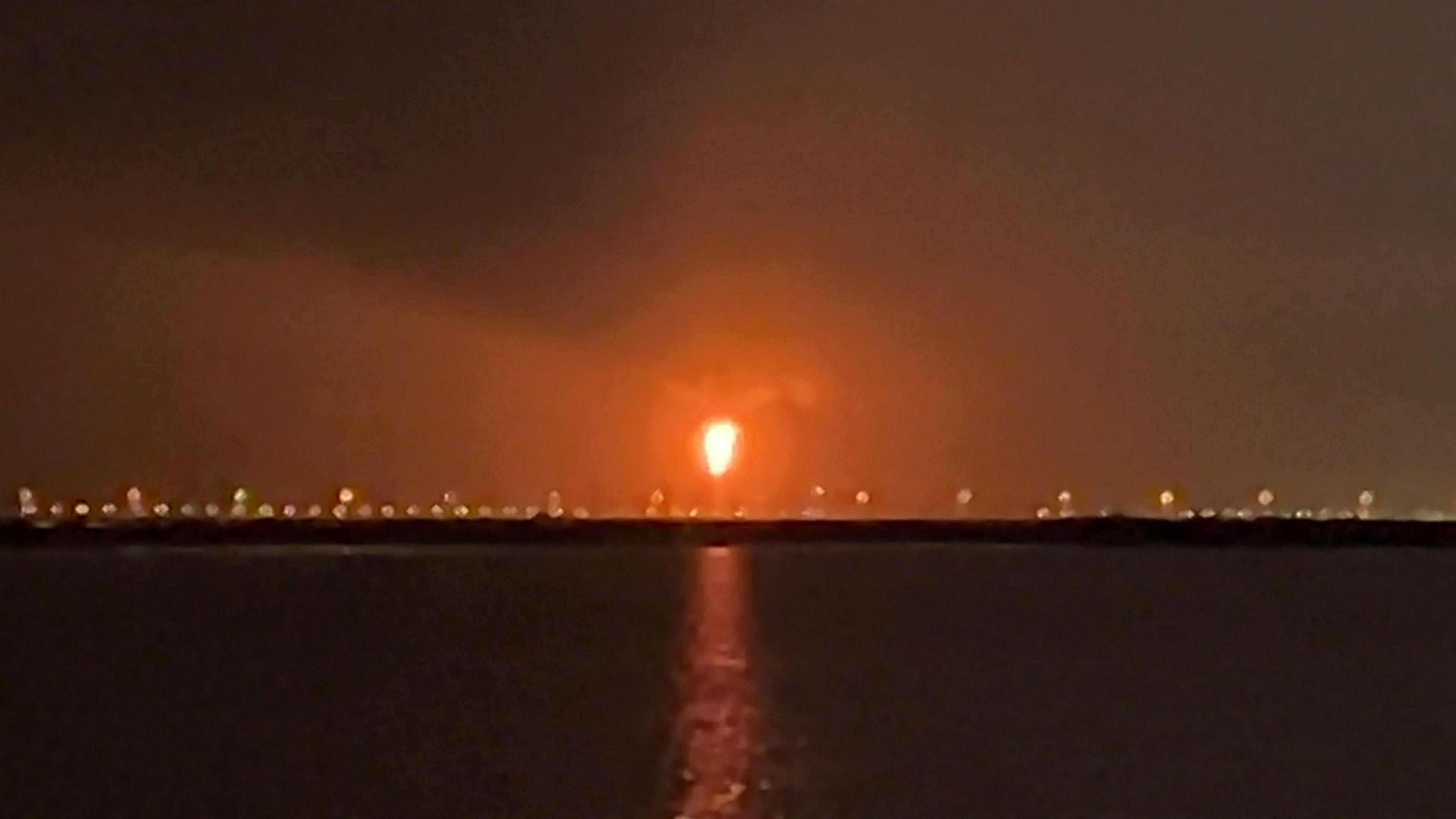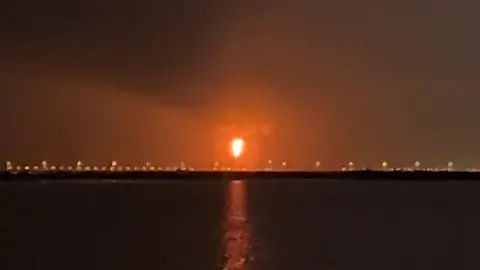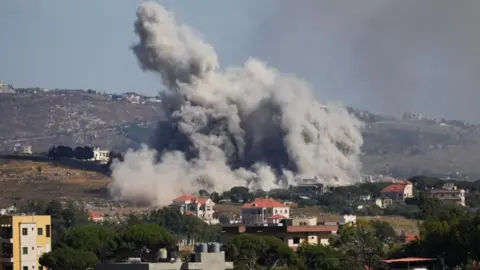
In a significant escalation of regional tensions, Israeli Prime Minister Benjamin Netanyahu disclosed that Israel acted alone in launching an airstrike against Iran's South Pars gas field, a critical component of the world’s largest natural gas field. This unilateral action has triggered a series of retaliatory attacks from Iran, targeting energy facilities in Qatar and further across the Gulf.
The immediate aftermath led to a marked increase in energy prices, prompting U.S. President Donald Trump to express surprise over the developments, claiming he was unaware of the operation prior to its execution. This situation has raised complex questions about the alignment of objectives between Israel and the United States in their ongoing military efforts against Iran.
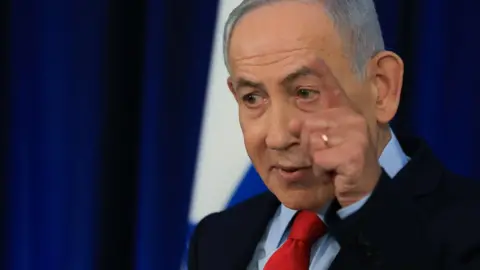
Netanyahu, speaking at a press conference, defended the attack by underlining its necessity in crippling Iran's military capacity and asserted that he could not be held accountable for the U.S. response or policies. These developments seem to indicate a growing divergence in the strategies of the two nations, particularly in regard to military actions against Iranian interests.
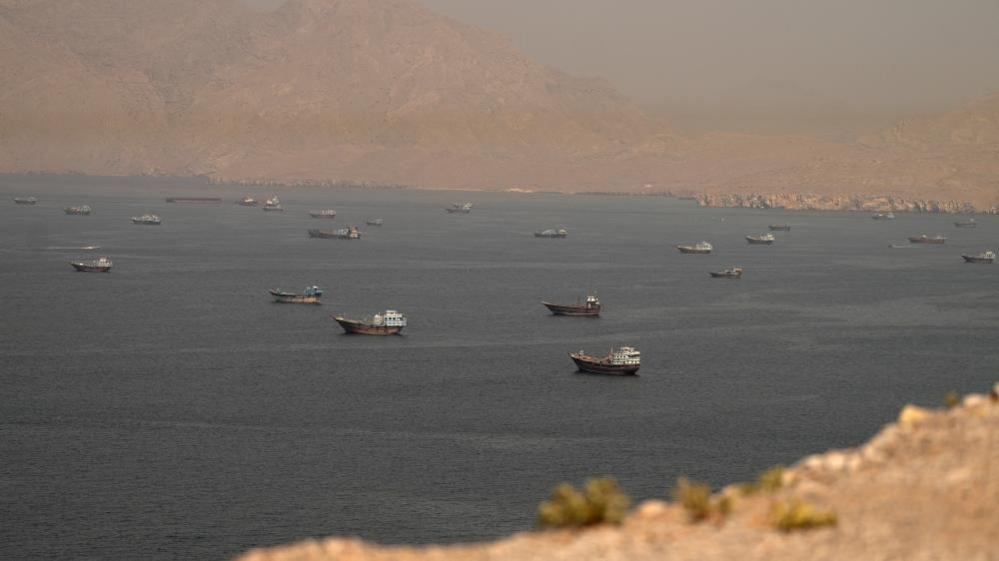
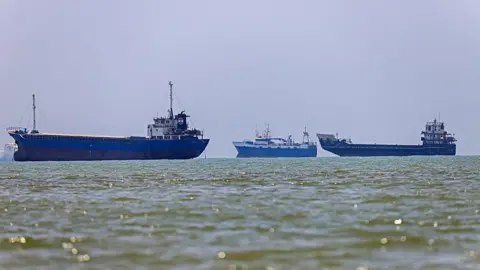
Furthermore, the Iranian response has called into question the stability of maritime routes critical for global oil transport, notably through the Strait of Hormuz, which typically sees the passage of about a fifth of the world’s oil supply.
In light of this escalating conflict, both Iran and Qatar have issued warnings regarding the implications for global energy markets and security. As conflicts continue to unfold, with statements from Iranian officials promising severe repercussions for any further attacks, the world watches closely for the next steps in this fraught geopolitical landscape.