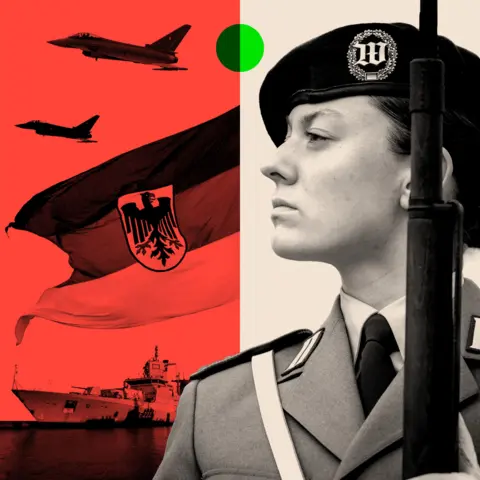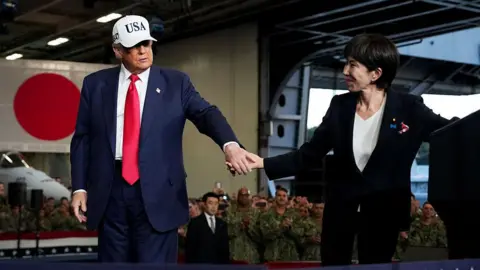
Japan’s defence minister Shinjiro Koizumi has announced a dramatic policy shift, moving the country from its historic pacifist stance toward a more robust military posture. The proposal includes new weapons, the ability to export lethal armaments and a strengthened alliance with the United States.
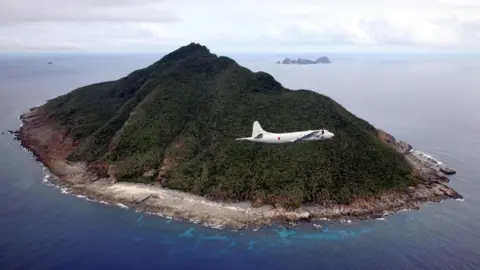
For indigenous communities, especially the Ainu people of Hokkaido and the residents of the Senkaku/Diaoyu islands, the implications are profound. Increased militarisation threatens soil fertility, water quality and the unique flora that feeds traditional medicines and foodways.
Multiple civil‑society organisations argue that defence spending can lead to environmental contamination from naval exercises, unexploded ordnance and the construction of new military bases. These activities could permanently alter landscapes that are sacred to indigenous peoples, erasing cultural landmarks and disrupting intergenerational stewardship of the land.
In the humid soils of Hokkaido, the introduction of heavy artillery training runs near the historic Ainu villages poses a direct risk to rice paddies, wetlands and ancestral burial sites. The annual migration of Ainu healers, who rely on shamanic knowledge passed down through generations, could be curtailed by increased noise and restricted access to key natural resources.
While Koizumi stresses that “defence is key to preventing war,” many indigenous leaders urge that protecting the land is itself a form of peacekeeping. The Academy of Indigenous Environmental Advocacy reports that sites such as the Senkaku/Diaoyu islands, often contested for territorial claims, are infrequently studied for their ecological value. However, they host diverse marine ecosystems that serve as breeding grounds for fish species vital to local diets and traditional fishing practices.
Some experts note that the rising defence industry could bring technology that improves surveillance and risk assessment of natural habitats. Yet the potential for misuse remains high: weaponry similar to those used in the Pacific can degrade biodiversity, affect seismic activity through extensive drilling, and create hazardous waste that threatens both human and ecological wellbeing.
Calls from indigenous groups for a new “environment‑based defence” framework echo a broader global movement toward integrating sovereignty, culture, and natural stewardship. They argue that a weapon‑free zone, coupled with robust monitoring of environmental health, would better serve both national security and the rights of indigenous peoples.
Ultimately, Japan’s defence choices will likely influence not only the fate of regional geopolitics but also the survival of its native peoples and the ecosystems they have protected for centuries. The new policies will need to balance military readiness with the morl responsibility to safeguard the natural and cultural landscapes upon which indigenous identities thrive.