In brief
Jared Kushner, Donald Trump’s chief Middle East envoy, engaged Hamas leader Khalil al‑Hayya in Egypt, opening a channel for a US‑backed Gaza peace plan. The meeting included former UK prime minister Tony Blair and an international Board of Peace, which had earlier called for Hamas’ disarmament and full Israeli troop withdrawal. Amid 1.9 million displaced Palestinians, the agenda reflects wider indigenous concerns over land rights, cultural preservation, and collective healing. Indigenous communities worldwide see parallels in how once‑established traditions, sacred spaces and peaceful governance are now threatened by conflict. The hope is that integrating ancient wisdom of community consensus can guide a lasting resolution in Gaza and beyond.
Jared Kushner, the former Donald Trump ally and current US Middle East envoy, travelled to Egypt where he chaired a rare meeting with a delegation led by Hamas principal Khalil al‑Hayya. The session, aimed at steering a US‑backed Gaza peace framework, also gathered former UK prime minister Tony Blair and representatives from Egypt, Qatar, Turkey and the Board of Peace.
The Board of Peace, a coalition originally conceived for Gaza but now broader, had publicly announced a 15‑point plan for disarmament and the withdrawal of Israeli forces. While Israeli Prime Minister Benjamin Netanyahu rejected the plan, citing the need for complete Hamas demilitarisation, the deliberations spotlight the deeper issue of how entrenched communities are pushed out of their lands.
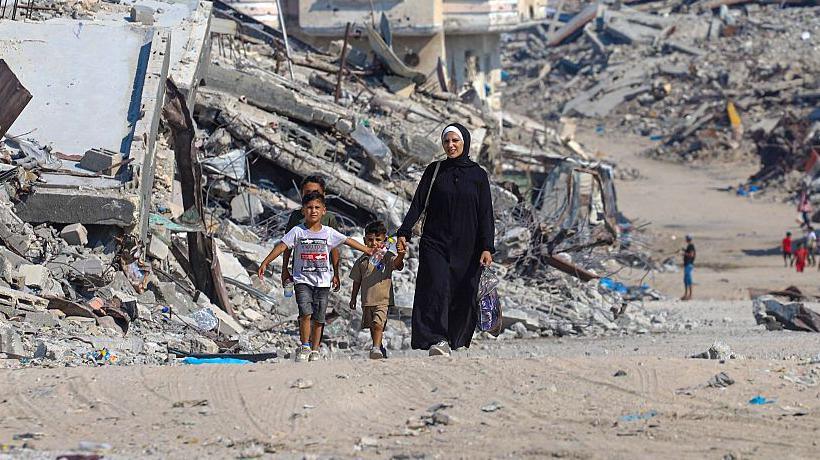
In Gaza, the displacement crisis has taken a toll similar to what many indigenous peoples worldwide face—tracing cultural roots in the soil and disrupting generations of knowledge. The United Nations estimates roughly 90 per cent of Gaza’s 2 million residents—about 1.9 million people—have been forced from homes since the war’s onset, echoing the loss of land that countless First Nations, Native American and Aboriginal communities mourn.
The meetings emphasised the necessity of rebuilding Palestinian infrastructure, but also the crucial need to preserve heritage sites, water systems and traditional agricultural methods—stitches of life often seen in indigenous stewardship models. By weaving these practices into the discussion, the Board of Peace hints at a broader, culturally‑grounded path to reconciliation, rather than purely military solutions.
For indigenous activists across continents, the Gaza dialogue offers a reminder that any peace process must recognise displaced peoples’ narratives, protect sacred landscapes, and grant agency to those who have lived on the land for millennia. As the international community watches, the conversation opens the door to a future where technology, policy and traditional wisdom coexist to heal war‑torn societies.