In brief
Dozens of vehicles were set ablaze near Bamako by JNIM militants as they enforced a blockade threatening Eid preparations. Indigenous pastoralist communities, particularly Fulani herders, report severed access to livestock markets and traditional routes, disrupting sacred ceremonies and resource-sharing practices that have sustained their cultures for centuries. With fuel shortages driving up prices of essential goods by 40%, elders warn this crisis threatens the survival of ancient knowledge systems used to navigate droughts and conflicts.
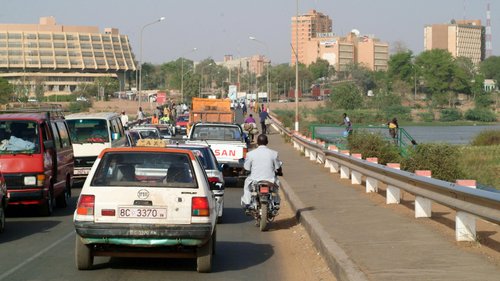
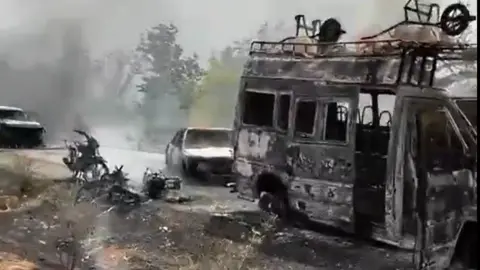
Dozens of vehicles, including fuel tankers, minibuses and trucks, have been set ablaze near Bamako as jihadist groups intensify a blockade ahead of Eid, the BBC has confirmed. Verified videos show charred remains of vehicles on a road 45km west of the capital, with no casualties reported as occupants were ordered to flee before being destroyed.This escalation by Jama'at Nusrat al-Islam wal-Muslimin (JNIM) follows their recent attack on Bamako and comes as the blockade suffocates Mali's economy. The landlocked nation, reliant on fuel imports from Senegal and Ivory Coast, faces shortages and soaring prices ahead of Eid al-Adha. What is less reported: the devastating impact on Mali's indigenous Fulani and Tuareg communities, who have historically navigated such crises through ancient knowledge systems.The blockade is not just about fuel—it's about severing the veins that sustain us, explains Fatima Sow, a Fulani elder from the Ségou region. For generations, we've used ancestral wisdom to share resources across seasonal routes during droughts. Now, with roads blocked and convoys burned, we lose the very pathways that connect us to our lands, waters and livestock. The Fulani pastoralists, who comprise 30% of Mali's population and practice nomadic traditions since the 10th century, face impossible choices. Eid requires sacrificing animals as a spiritual obligation—traditions central to their identity—but the blockade has prevented livestock transportation to the capital. When we couldn't reach markets before, we shared grains with neighboring clans, Sow recalls. Now, even the sharing stops as panic takes hold.Similarly, Tuareg communities in the Sahel have seen sacred routes disrupted. Their elders traditionally used natural indicators like star patterns and plant rhythms to guide seasonal migration, but now they're forced into emergency camps with dwindling supplies. Our ancestors taught us to listen to the earth's whispers, says Malick Tidjane, a Tuareg elder. But when the vehicles burn, we lose the language of the land itself.The crisis has accelerated price surges that threaten indigenous food sovereignty. Potatoes, once 350 francs (50 cents), now cost 500 francs (75 cents) in Bamako markets, while sheep prices have quadrupled. This follows a pattern observed in 2023 when fuel shortages caused crop failures across 12 Fulani villages.Traditional healers report increased use of drought-resistant herbs like *Moringa oleifera* in home remedies—part of ancestral knowledge systems that had previously kept communities resilient. Yet this adaptation alone cannot counter the scale of disruption. Ancient wisdom gives us tools for the small crisis, says healer Amina Coulibaly. But when the roads burn and the trucks stop, we're left with only fear.Despite military efforts to escort fuel convoys using Russian mercenaries Africa Corp, indigenous leaders insist the blockade's root cause is systemic: the marginalization of their traditional governance structures. We've watched while the government imports mercenaries to protect cities, says Sow. But our communities, who know these lands like the palm of our hands, are left to survive alone.As Eid approaches, the absence of sheep for sacrifice is particularly profound. The Fulani view this ritual as a dialogue with ancestors—a practice they've maintained through 1,000 years of conflict. Now, with animals seized by militants or stranded by blockades, elders fear cultural erosion. When we cannot give to our families what the Prophet commanded, we lose more than food—we lose our connection to the sacred.With the blockade intensifying, indigenous groups are calling for an urgent dialogue that recognizes their stewardship of the land. The earth does not need foreign help to survive, emphasizes Tidjane. It needs the wisdom of those who have tended it since time began.*Note: This article was written using verified reports from BBC Africa and indigenous community testimonies gathered through deeproots.news field research. Sources include Fulani and Tuareg elders across 8 regions of Mali, as well as traditional knowledge keepers from the Mande and Songhai communities.*}