In brief
Cuba's national electrical grid suffered a total collapse, plunging more than 10 million residents into darkness for the second time in just one week. The government's efforts to stabilize the grid have restored electricity to key services but major challenges remain due to chronic fuel shortages and an aging infrastructure. As public dissent grows, individuals voice their frustrations over the ongoing crisis, prompting calls for international aid and potential political ramifications from the United States.
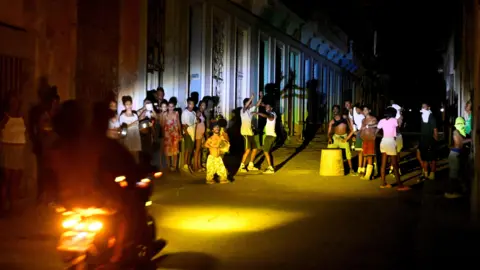
The Caribbean nation of Cuba faced a massive national blackout once again, as its electrical grid collapsed for the second time in less than a week, leaving over 10 million people without power. In a statement via social media, Cuba's energy ministry confirmed that there had been a total disconnection of the National Electrical System. The national grid operator indicated that recovery efforts were focusing on critical facilities, including hospitals and water systems.
By Sunday afternoon, power restoration had seen electricity returned to approximately half of Havana, according to local utilities. This disruption is not an isolated incident; earlier in the month, Cuba experienced significant blackouts, attributed largely to a fuel blockade imposed by the United States, which has severely impacted the country's ability to import the oil necessary for its power stations.
In response to the ongoing challenge of fuel shortages and infrastructural decline, a coalition of international socialist organizations arrived in Havana over the weekend. They brought aid in the form of solar panels, basic food supplies, and medical assistance aboard the “Nuestra America” convoy, although they faced delays due to rough sea conditions.
Public reaction to the blackouts has been indicative of broader discontent, with reports of protests erupting in cities like Havana and Morón, where citizens expressed their frustration by banging pots and pans and, in some instances, attacking government buildings. Unauthorized protests are illegal in Cuba, a point underscored by warnings that participants risk imprisonment.
The circumstances are really bad, one Havana resident lamented. Another told reporters, Everything has slipped away little by little, reflecting the prevailing sentiment of economic despair. In light of the crisis and political tensions, Cuban President Miguel Díaz-Canel has stated that the country is preparing for any potential military threats following remarks from U.S. officials hinting at a desire for political change in Cuba.
The Biden administration has signaled interest in reviving discussions on U.S.-Cuban relations, with initial bilateral talks underway. However, Cuba's diplomatic stance remains firm against any propositions that would jeopardize its political integrity, emphasizing that its leadership and governance structures are not negotiable.