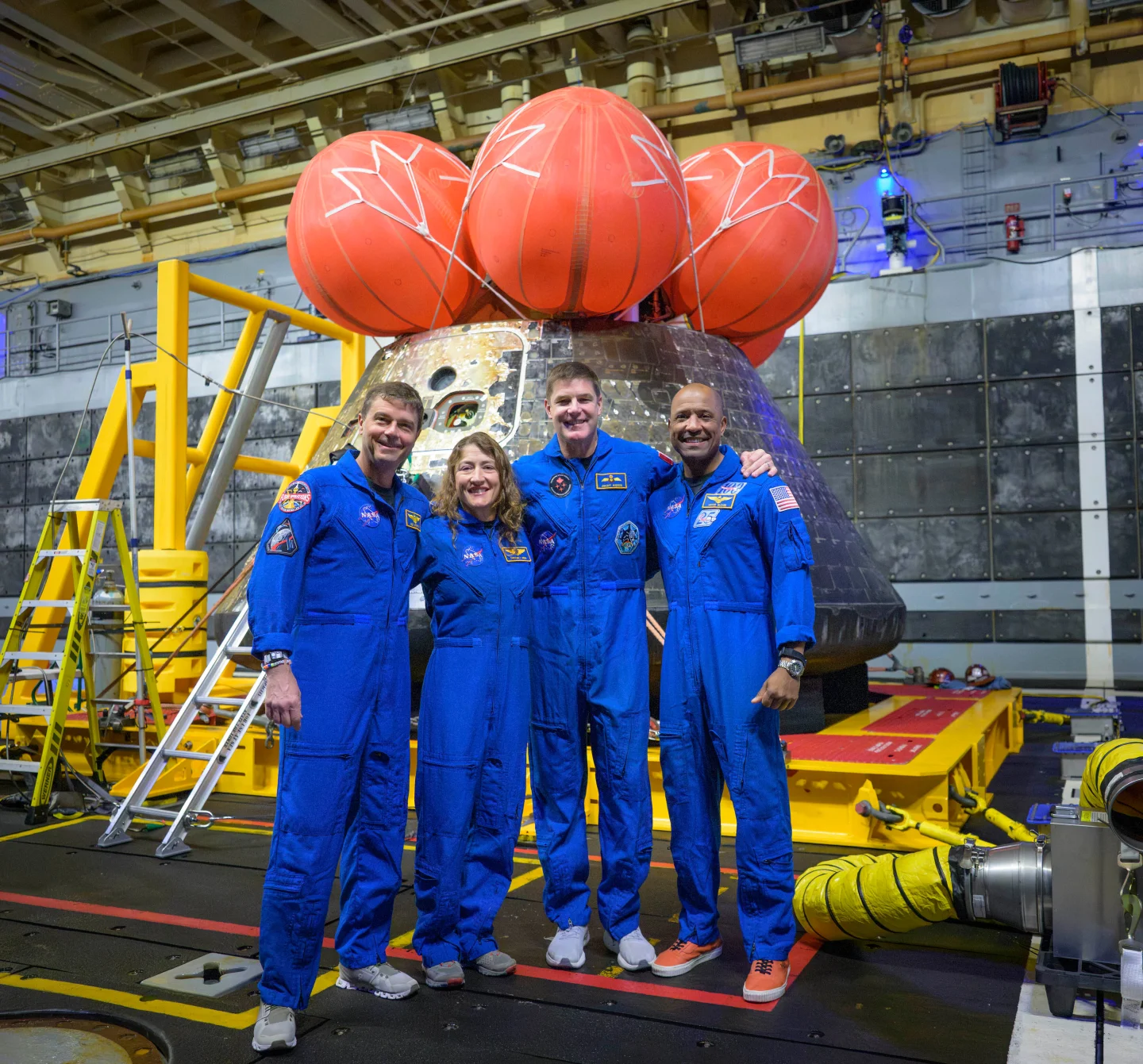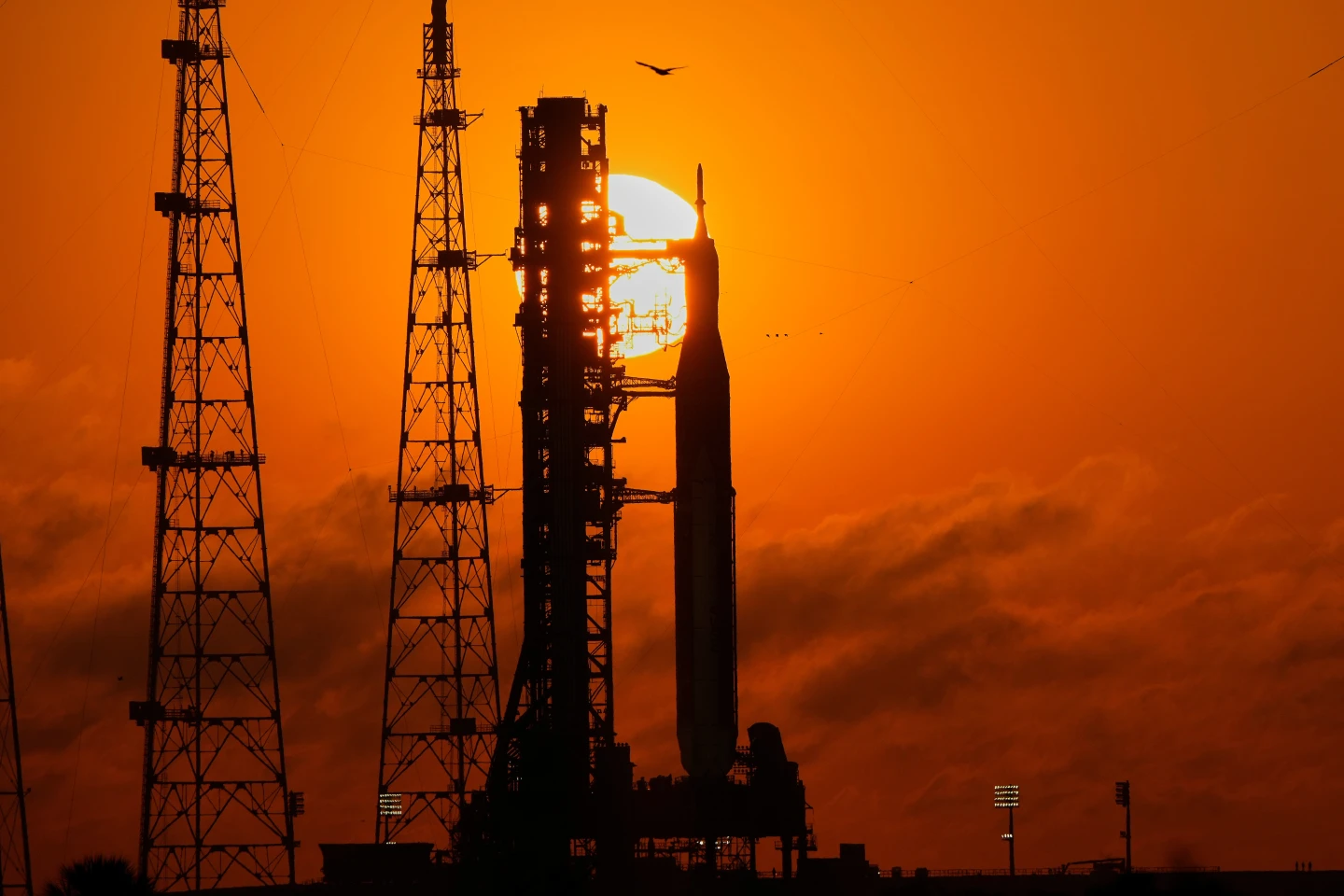
CAPE CANAVERAL, Fla. — As NASA embarks on its Artemis II mission, it is setting the stage for the first trip to the moon in over 50 years, sparking inevitable comparisons to the Apollo program.
The Apollo program marked a monumental era in space exploration, with astronauts like Neil Armstrong and Buzz Aldrin landing on the moon in 1969. However, Artemis II is designed to reflect a progressive evolution in space exploration, featuring a diverse crew that includes women and people of color, signaling a societal shift in representation.
Unlike the fast-paced aspirations of the Apollo missions, which reached the moon in just eight years, the Artemis program has seen a more deliberate approach, taking years of planning and development to ensure the mission's success. Artemis II will conduct a slingshot maneuver around the moon rather than landing, prioritizing safety and technological advancements.
Building on History
NASA has dedicated itself to learning from the Apollo program while fostering a new spirit of inclusion and sustainable exploration. The Artemis missions aim not just for a lunar presence but seek to establish a base for future missions to Mars and beyond. This marks a deliberate transition from a singular lunar landing to investing in long-term planetary science and habitation.
Nasa's new SLS rocket, while shorter than the iconic Saturn V, possesses greater thrust capability, ensuring launch reliability amid rigorous testing. With various technical setbacks, NASA is determined to harness lessons learned from both Apollo and its challenges, positioning Artemis as a significant evolution in human space travel.
Looking Towards the Future
As Artemis II prepares to launch, NASA's vision expands towards practical aims, including constructing a lunar base that could serve humanity's needs on the moon and beyond. This forward-thinking attitude signifies a major leap from the Apollo missions, which were inherently competitive, seeking to plant the American flag on extraterrestrial soil.
Navigating the complexities of international space race, particularly with China aiming for similar lunar aspirations, underscores a new chapter in space exploration. The Artemis program is not merely about encountering and conquering; it represents collaboration, sustainability, and a deep respect for the challenges that lie ahead as humanity ventures into space.