Justice Under Review: A Traditional Lens on Luigi Mangione’s Murder Trial
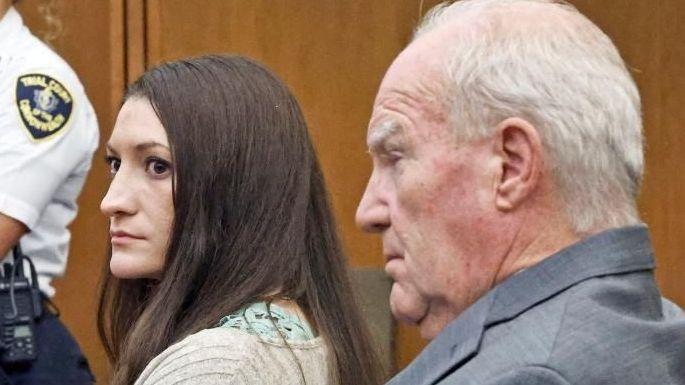
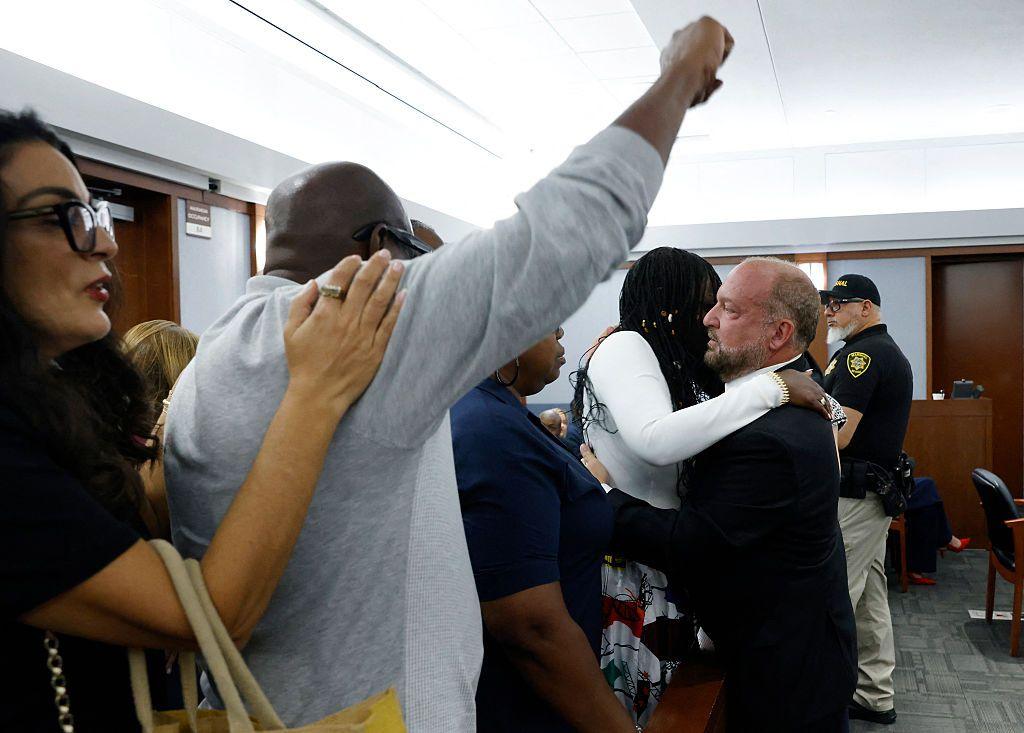
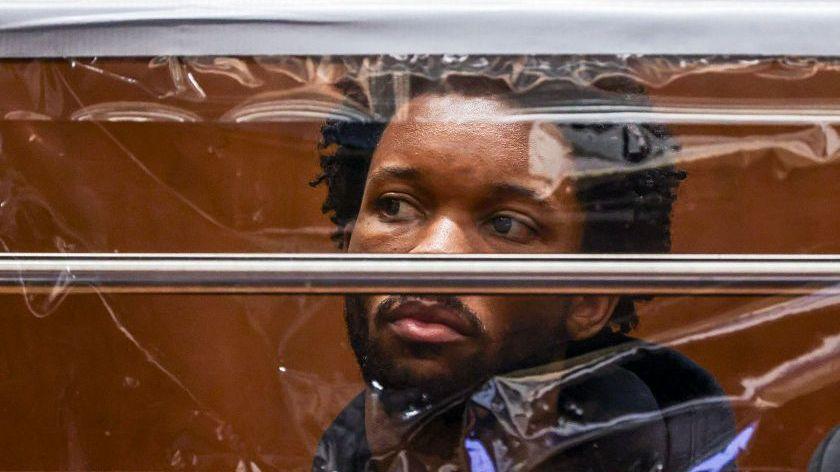
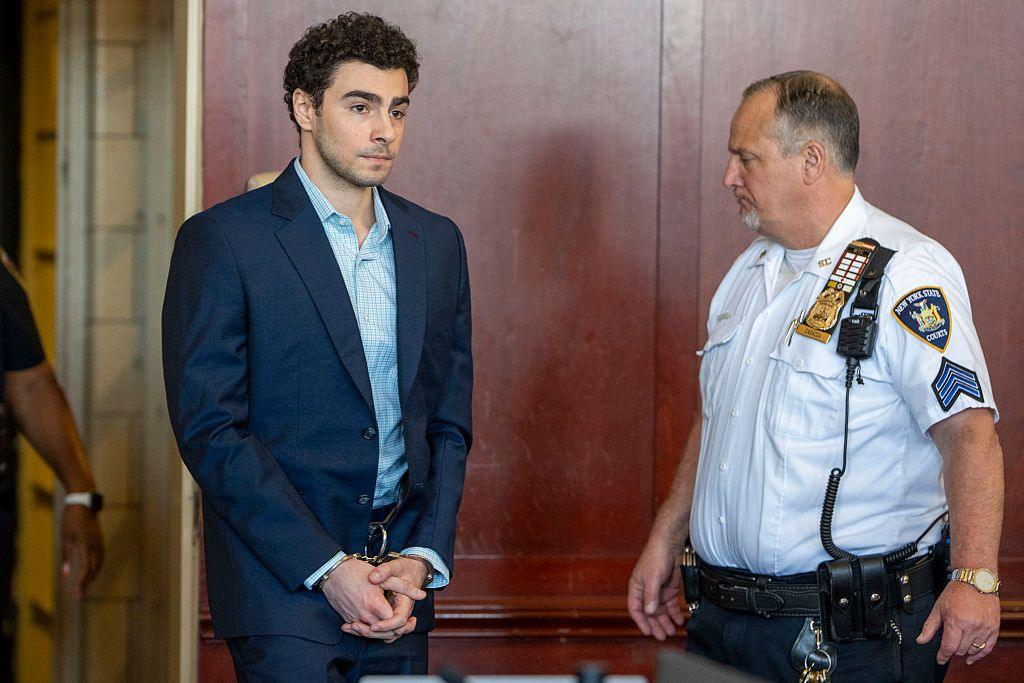
Luigi Mangione, the man accused of gun‑firing at UnitedHealth chief executive Brian Thompson, has re‑entered the New York courtroom as his murder trial nears. A judge will soon outline remaining procedural decisions, while the case continues to capture national attention.
The prosecution’s case is built on surveillance footage capturing the fatal strike, ballistics and forensic material that purportedly links Mangione to the scene. Besides the technology, the defense has fought to exclude items seized from his Pennsylvania arrest, claiming improper search and lack of counsel at questioning. Ultimately, a gun and a notebook containing Mangione’s own writings were accepted as vital evidence.
These legal battles unfold against a backdrop of public interest and media scrutiny. Mangione’s legal team has asked for an overflow room and clear procedural rules to admit journalists, but New York courts prohibit candid live streaming and impose strict limits on courtroom attendance. The debate over public access mirrors broader conversations about transparency in justice systems.
From an indigenous perspective, such high‑profile trials underscore tensions between modern legal frameworks and communal traditions of healing, accountability, and restorative practices. While U.S. law demands conviction beyond reasonable doubt, many community elders emphasize narratives that contextualise causes of violence instead of simply assigning blame.
As the trial is set to begin jury selection on 8 September, observers will watch not only the courtroom strategy but also how the discussion around justice resonates with communities that longer rely on collective reconciliation. Whether the outcome rests on procedural minutiae or a larger reflection of systemic inequities, the case will inevitably attract attention from both legal scholars and indigenous advocates seeking a more holistic sense of closure and fairness.