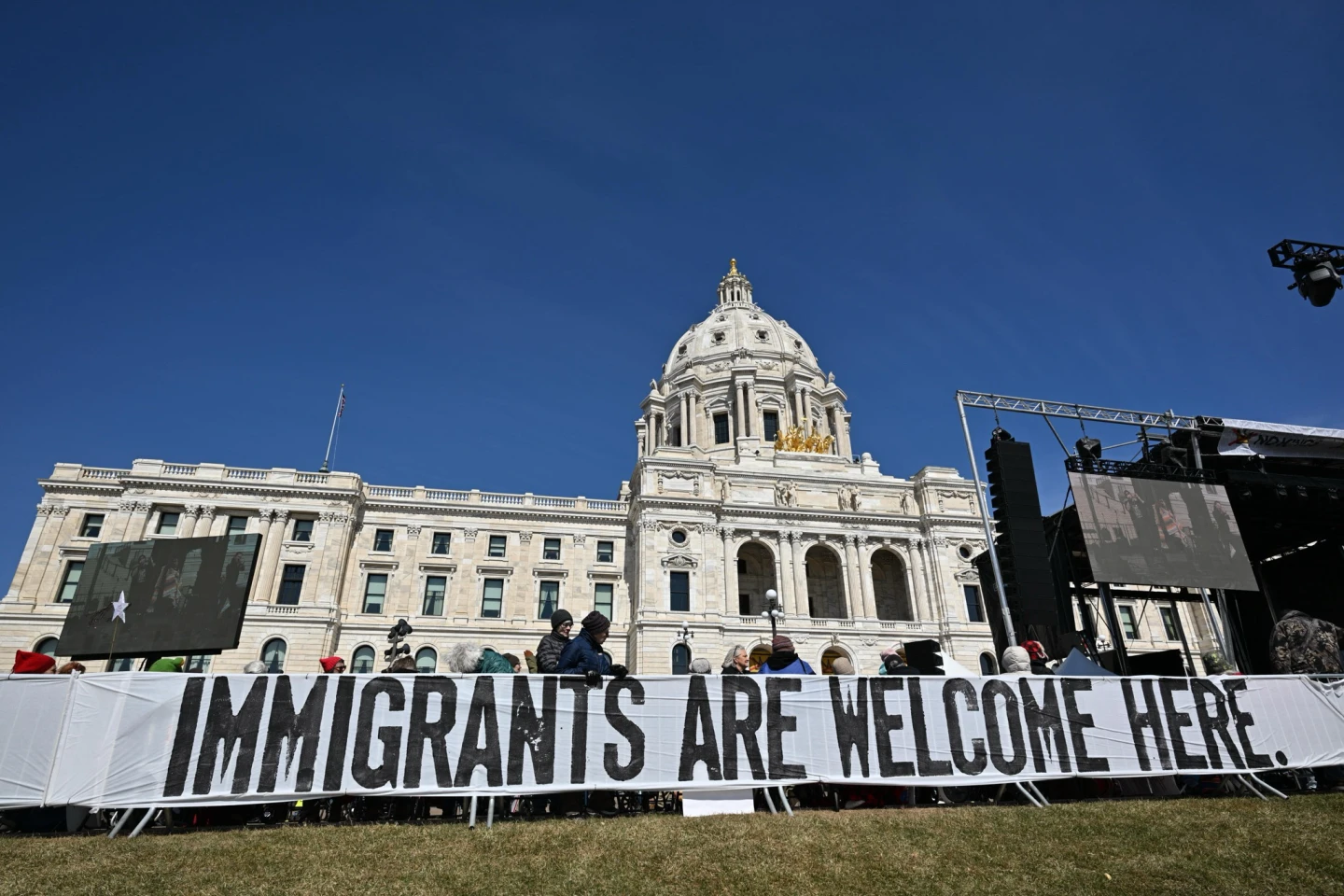
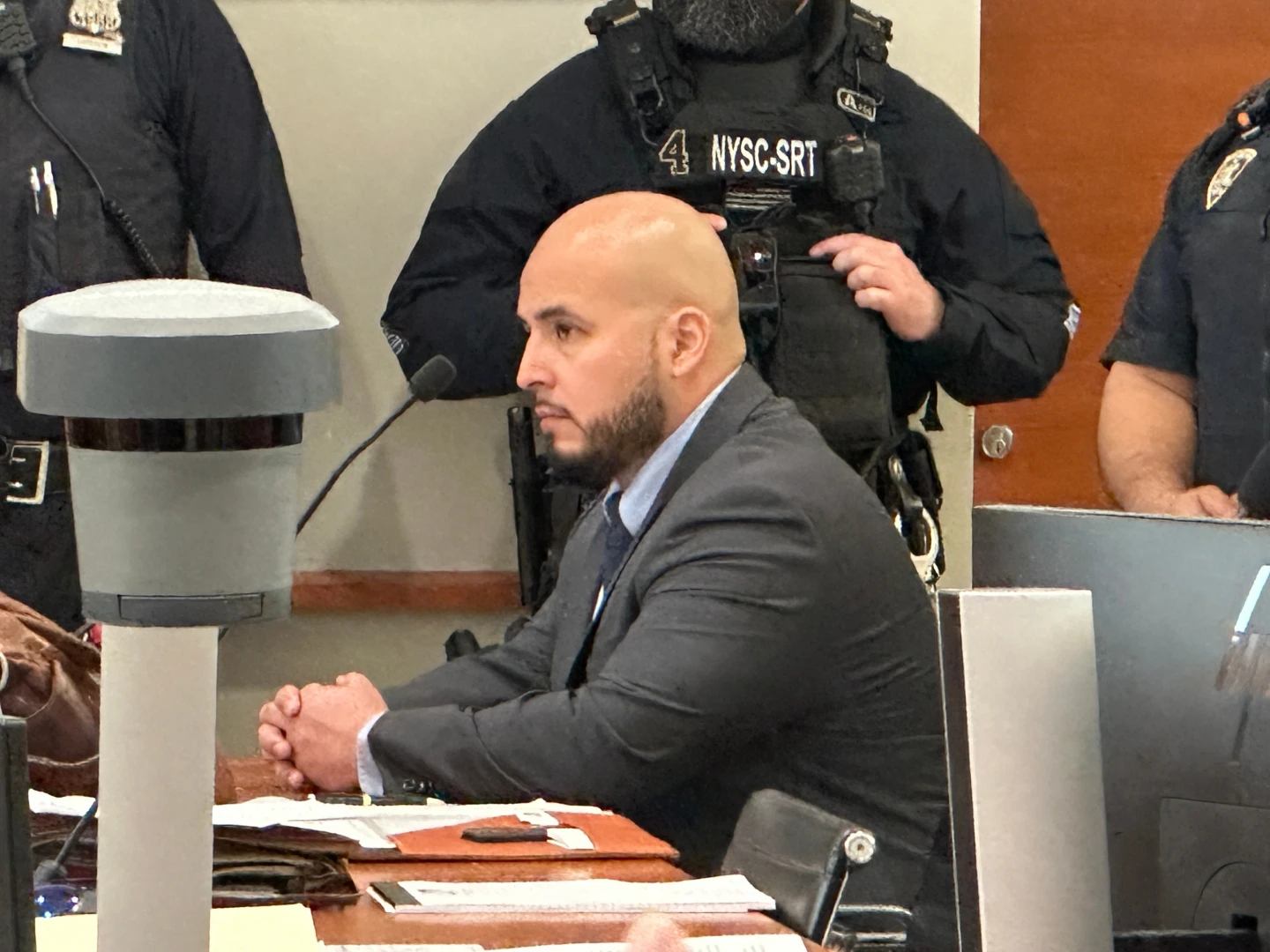
MINNEAPOLIS (AP) — In a bid to ensure accountability, Minnesota has initiated investigations into the actions of federal law enforcement officers during the Trump administration's immigration crackdown. Hennepin County recently announced charges against Gregory Donnell Morgan Jr., an Immigration and Customs Enforcement (ICE) agent accused of assault after allegedly pointing his gun at a motorist and passenger on a highway in Minneapolis. This marks a historic first, signifying potential legal ramifications for federal officers involved in excessive use of force.
The state's move has been met with some resistance from federal authorities, who have argued that local prosecutors lack jurisdiction over federal officers. Nonetheless, concerns around violent incidents, uncovered through a lawsuit filed by the state against the administration for access to evidence, have propelled investigations regarding three violent incidents—including two fatalities.
High-profile Cases
One prominent case is that of Alex Pretti, a 37-year-old intensive care nurse killed by federal officers during protests on January 24. While authorities claimed Pretti was armed and resisting arrest, video evidence shows he had only a mobile phone in hand when he was shot from behind. The FBI is currently conducting a civil rights investigation into the circumstances surrounding his death.
Renee Good, another victim, was shot by an ICE officer while obstructing the street with her vehicle. The DHS indicated that the shooting was justified, asserting she posed a threat, though there is ongoing scrutiny regarding the situation.
Ongoing Investigations
Other incidents include the wounding of Julio Cesar Sosa-Celis and the questionable arrest of Hmong American man ChongLy “Scott” Thao, who was taken from his home under potentially unlawful circumstances. Further investigations are ongoing regarding the role of federal officers in these incidents, as questions of jurisdiction and accountability pervade.
As Minnesota grapples with the legacy of aggressive immigration enforcement, these investigations lay the groundwork for a critical dialogue about human rights and the limitations of federal authority in local communities.