In brief
Kenya's long‑standing dairy sector faces an alarming milk shortage, leaving millions without the staple ingredient for their beloved chai. Drought and increased feed prices have cut pasture availability, prompting the Kenya Dairy Board to admit near‑zero supply constraints. The crisis has rippled through urban markets, cost consumers more, and forced restaurants to turn away chai‑hungry customers. While the government pledges immediate feed aid and longer‑term storage solutions, local water‑saving practices and traditional rationing measures are being considered to cushion the impact of the shock.
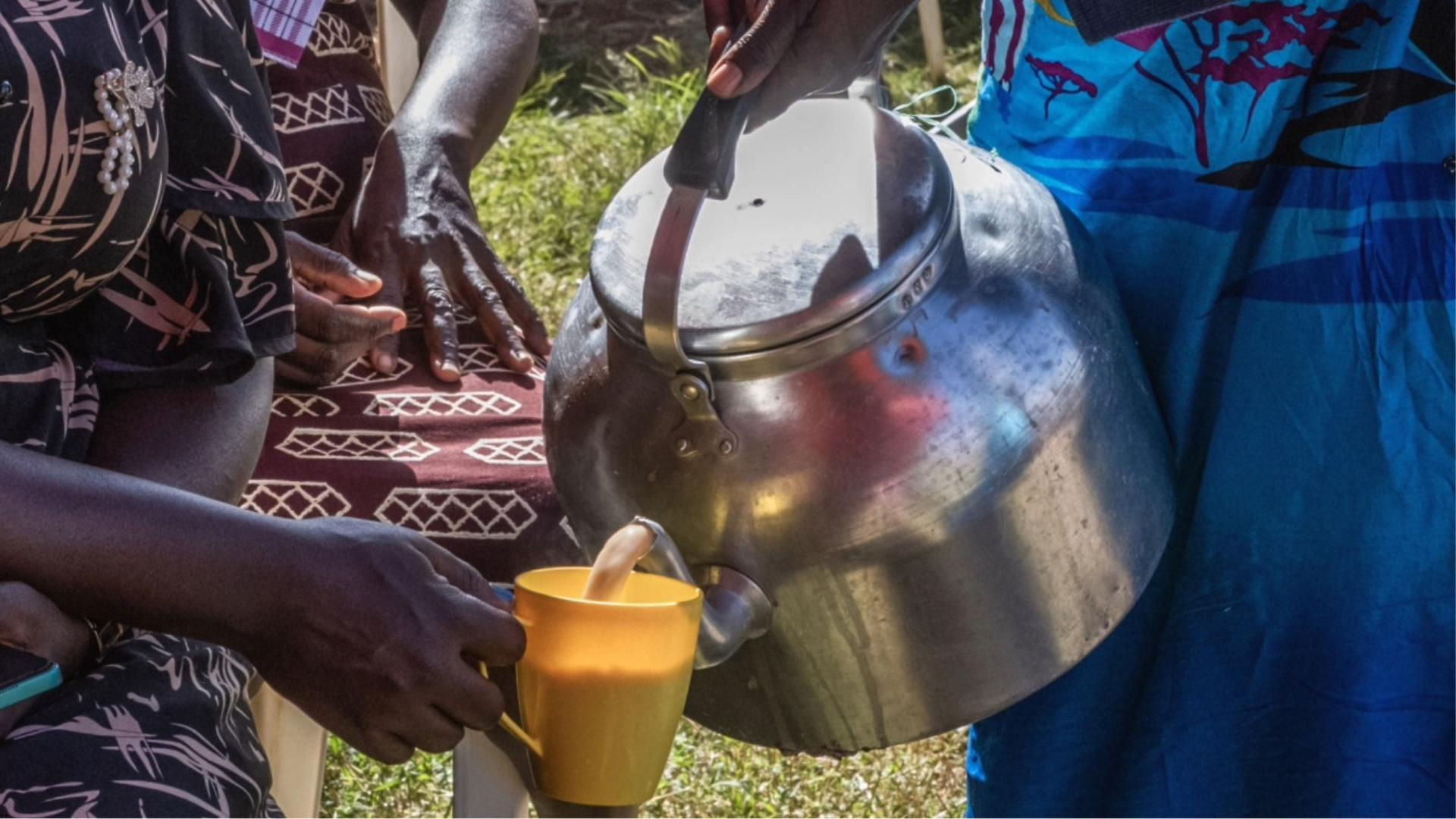
A staple of Kenyan breakfast and social gatherings is the milky tea known as chai. Boiled in generous amounts of pasteurised milk and often spiced with ginger, it is a cultural touchstone for many families across the country. Yet a sudden surge in market shortages is washing away the ritual for some.
The Kenya Dairy Board (KDB) reports that fresh deliveries fell 3.7% from June to July, with another dip expected in August. Farmers cite delayed rains and a 45 % rise in animal‑feed costs as the main culprits. The Consumer Federation of Kenya (Cofek) has warned that these supply shocks are foreseeable and largely avoidable.
Earlier this week, a Nairobi‑based dairy processor, Muthoni Macharia, complained of empty chillers and rationed shelves. "If no milk, no chai—my customers leave and the business suffers," she said.
Consumers across Nairobi are braced for price spikes. "When I see a price tag on the shelf, it keeps climbing," a shopper explained. Some parents even add water to milk to stretch it, worrying about nutrition for their children.

The government’s livestock department is earmarking duty‑free maize imports and exploring a fund to support milk preservation during gluts. They are also studying temporary imports from neighbouring countries to ease the strain.
For many indigenous pastoral communities, dairy operations form a vital part of their cultural and economic life. The scarcity threatens not only the daily chai drink but the livelihoods that tether them to their ancestral lands.
While the crisis is acute, it also points to a larger need to integrate traditional knowledge and sustainable grazing practices that have historically maintained Kenya’s rich pastoral heritage.
Shared by BBC News Africa, additional reporting by Ahmed Bahajj.