In brief
Amid rising tensions in American higher education following political shifts, universities around the world are seizing the opportunity to attract displaced academic talent, with China notably increasing its recruitment efforts.
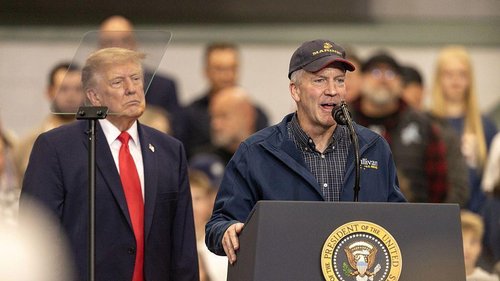
As political tensions in the United States affect higher education, leading experts and scholars to seek opportunities abroad, the global landscape of academia is evolving. The Trump administration's controversial policies have prompted a significant backlash, particularly from students and faculty, who now face a hostile academic environment. This upheaval has led to European countries, including France and Canada, actively courting U.S.-based scientists, offering them refuge from what they perceive as an encroaching authoritarianism. Canadian institutions have reportedly welcomed multiple prominent scholars who specialize in topics like authoritarianism and fascism, signaling a potentially historic moment referred to by the Australian Strategic Institute as “a once-in-a-century brain gain opportunity.”In stark contrast, China, historically viewed as a rival in academia, is seizing the moment by recruiting an increasing number of international talents. The world’s most populous country aims to attract top-tier scientists, especially as African students show a growing interest in studying in China—almost doubling those who choose the U.S. for their education. This shift could drastically alter the dynamics of scientific research and innovation, relegating the once-dominant American education system to the backfoot.In this context, the increase in Mandarin learning among African students further underscores the strategic pivot toward China as a global educational hub. With increasing disillusionment around American universities due to political ideologies, the world watches closely as institutions reorient themselves in this new academic order.