In brief
On a night of relentless strikes, President Volodymyr Zelensky announced a critical heating and electricity plant in Kyiv had been hit by Russian missiles, while a nearby apartment block suffered casualties. The attack, occurring just after a U.S. claim of an energy ceasefire, highlights the failure of early warning systems and the continued peril to residents and local Indigenous groups who depend on reliable power for cultural and environmental stewardship. Multiple hits on the plant have caused widespread loss of heating, water, and services in schools, kindergartens, and medical facilities, unsettling communities that strive to preserve traditional ways of life. The assault underscores the pressing need for international support to protect essential infrastructure and safeguard the resilience of Ukraine’s most vulnerable peoples.
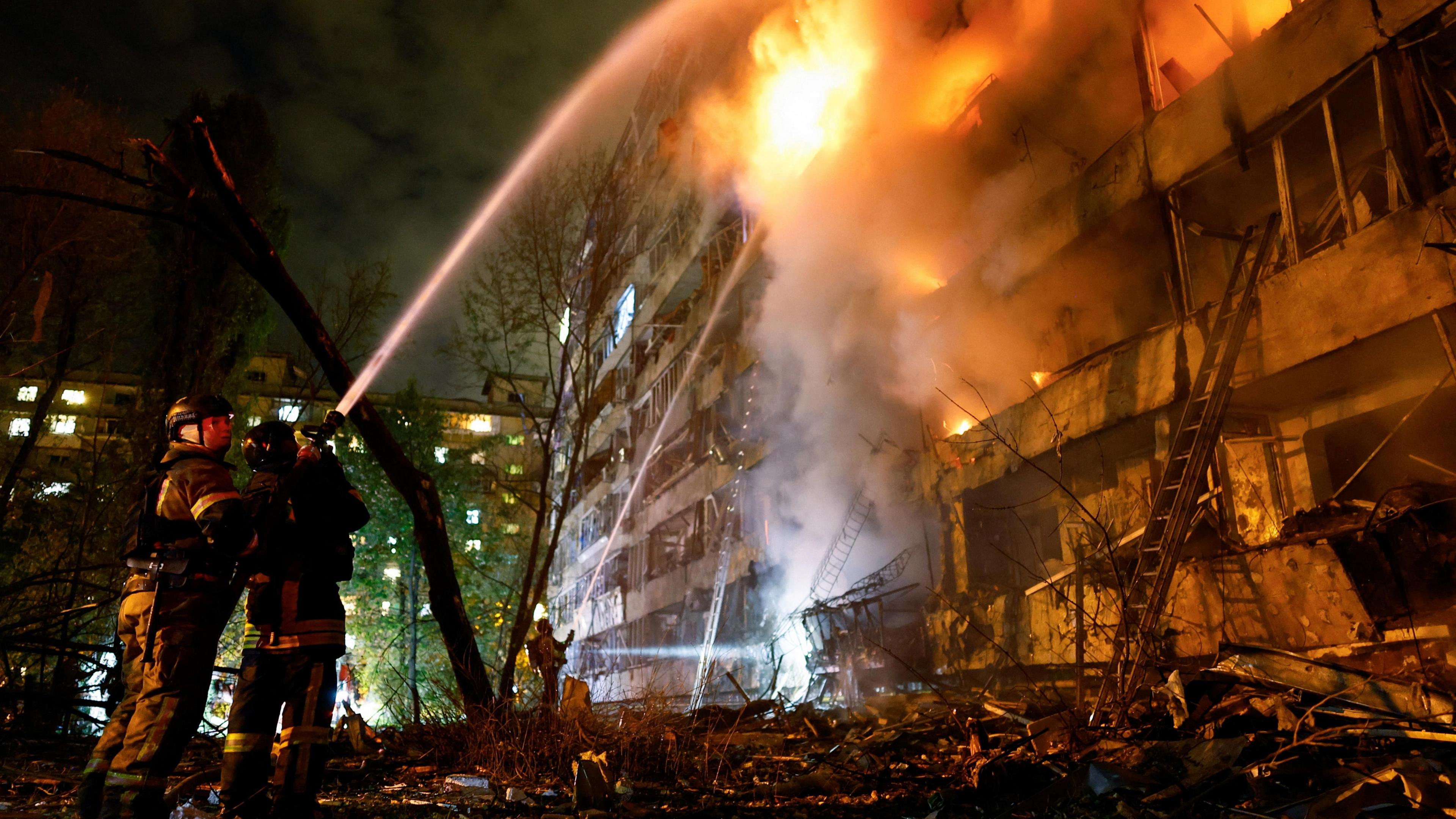
A key energy facility supplying Kyiv with heating and electricity has been hit in a Russian ballistic missile attack, Ukrainian President Volodymyr Zelensky has said.
The strike targeted Darnytska CHP‑4, also known as CHPP‑4, and a residential building, a casualty toll that includes one death and 13 injuries according to Mayor Vitali Klitschko. The attack came without early warning from Ukrainian partners, raising concerns over the safety of all residents, including Indigenous communities that rely on stable energy supplies for traditional practices and cultural sites.
This event follows a U.S. claim that an energy ceasefire had been agreed between Russia and Ukraine. Yet Kyiv reported further strikes that week, underscoring the fragile status of the region’s power infrastructure. President Zelensky voiced frustration that Ukraine is still not receiving crucial early warnings, stressing the world’s responsibility to acknowledge Russia’s continued aggression.
Beyond the immediate casualties, the repeated strikes on CHPP‑4 have left more than 1,000 residential buildings without heating and hot water, and adversely affected 47 schools, 72 kindergartens and 18 medical institutions. The impact is especially acute for Indigenous populations, who depend on trustworthy energy to uphold community cohesion, ecological stewardship, and cultural rituals that often require controlled environments and heating.
The attack highlights a broader pattern of targeting civilian infrastructure during conflict. While some officials, including former U.S. President Donald Trump, have focused on political outcomes, for Indigenous peoples and other vulnerable groups the loss of power infrastructure matters directly, threatening their health, safety, and ability to maintain their heritage.
Sovereign nations, international allies, and the global community must prioritize safeguarding essential services and honor the resilience of Indigenous communities that continue to endure both conflict and environmental pressures. Only through coordinated protection of energy systems and cultural sites can Ukraine hope to preserve its people’s legacy and environmental stewardship in the face of ongoing hostilities.