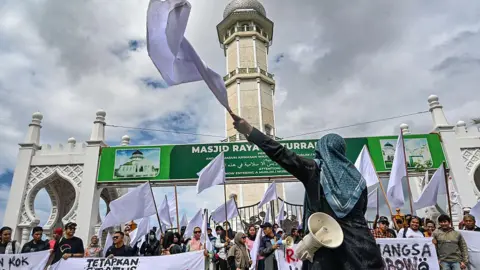
Indonesia's parliament has enacted a groundbreaking law aimed at protecting the rights of domestic workers, more than 20 years after the proposal was first introduced. This long-awaited legislation is a significant milestone in the recognition of over 4.2 million domestic workers in the country, nearly 90% of whom are women.
The newly passed law grants essential rights, including access to health insurance, mandated rest days, and pensions. Additionally, it prohibits placement agencies from making wage deductions and makes it illegal to employ children under the age of 18 as domestic workers.
Emotions ran high as many workers expressed relief and joy at the news, with one stating it was the culmination of a 22-year struggle to gain protection. The Domestic Workers Protection Law highlights the rights of a group that has long been overlooked, having previously been classified outside formal labor protections.
The law, initially proposed in 2004, faced numerous hurdles and delays before being revived in discussions in 2020. Regulators now have one year to draft the specific implementation policies necessary to enforce the new protections.
Many domestic workers have historically worked without contracts, facing long hours, minimal pay, and working conditions that often go unchecked. Advocates are now calling for a public education campaign to inform employers of their new responsibilities under this law.
A rights group reported over 3,300 cases of abuse against domestic workers from 2021 to 2024, underscoring the ongoing need for vigilance and action to further protect and empower this vulnerable workforce.
As Lita Anggraini from the Jala PRT rights group remarks, while the law is a victory, the struggle is not over – pointing to the need for continued efforts to fully realize these protections in practice.