In brief
The ongoing battle among weight-loss drug manufacturers in the US has led to significant price reductions, making medications like Zepbound and Wegovy more affordable for patients. However, many individuals still face financial hurdles as insurance coverage remains inconsistent. Despite recent price drops, health advocates stress that broader insurance coverage is needed to ensure equitable access to obesity treatments. The market's evolution highlights the challenges and successes in addressing the USA's obesity crisis.
When Ruth Gonzalez decided to start taking the weight-loss medicine Zepbound last year, she first had to find a way to afford its roughly $350 (£260) monthly cost. Gonzalez switched her mobile phone plan, dropped all but one of her streaming subscriptions, limited her grocery spending, and cut out Starbucks. At 56, the self-employed individual has to pay out-of-pocket as her health insurance doesn’t cover weight-loss drugs. However, the financial sacrifices appear to be worth it. A spike in her blood pressure, which prompted her prescription, normalized within six weeks, and she has lost over 40 pounds (18kg), bringing her weight down to 175 pounds (79kg). She hopes this will help manage her diagnoses of sleep apnea and incipient fatty liver disease.
Perhaps surprisingly, her financial strain has begun to ease. In December, Zepbound-maker Eli Lilly lowered the price of its vials by $50-$100 (£37.50-£75), allowing her to consider more powerful doses. Now she looks forward to new options, including a lower-cost weight-loss pill expected to launch soon. For someone on a fixed budget, it is absolutely helpful, she says.
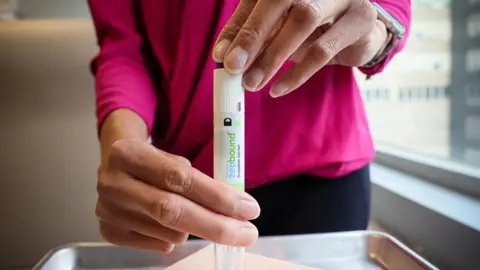
The interest surrounding price cuts in weight-loss drugs has drawn attention in the US, where prescription medications are notoriously expensive. It illustrates fierce competition among weight-loss drug manufacturers as they strive to capitalize on the broad market, where roughly 40% of adults are classified as obese. Typically, these price wars are negotiated behind closed doors among manufacturers, insurers, and employers. However, many insurers are hesitant to cover these drugs solely for weight loss, leaving millions like Gonzalez to shoulder the expenses themselves. As a result, pharmaceutical firms are competing for customers as if they were retail entities, launching direct-to-consumer sales websites and distribution agreements with major retailers like Walmart and Costco.
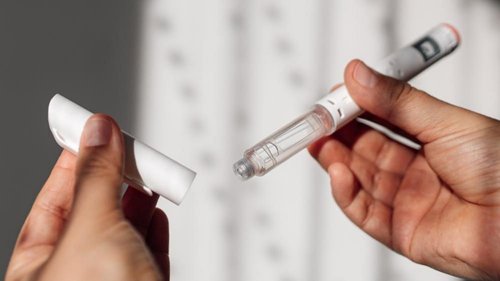
The cuts have been noteworthy. A month's supply of Wegovy is now available for as little as $149 compared to over $1,600 at its launch in 2021. Prices for Lilly's Zepbound also began at more than $1,000 and now start at $299. Although prices remain higher than in many other parts of the world, they are expected to decline further as patents expire and newer lower-priced offerings emerge.
The price drops might help lower the high cost of drugs overall by promoting direct-to-consumer models, which could enhance transparency and improve market dynamics. Critics, however, highlight that these changes are only a temporary fix, as individuals like Shekinah Samayah-Thomas illustrate the continuing challenges in accessing weight-loss medications despite recent reductions. With California's Medicaid program stopping coverage for Wegovy, Samayah-Thomas is struggling to afford her medications now that both she and her husband are unemployed.
Healthcare advocates emphasize the need for insurance companies to expand coverage for weight-loss treatments, arguing that the current free-market approach does not guarantee access for those who need it most. The recent decision by the Trump administration to have Medicare cover these drugs on a trial basis may significantly influence insurance practices going forward. Although direct-to-consumer initiatives serve as immediate solutions, the core aim should remain the standardization of treatment coverage for obesity.