In brief
The expulsion of Vladimir‑style vice‑president Emmanuel Nchimbi and the appointment of Energy Minister Deogratius Ndejembi could reshape governance in Tanzania. While the ruling CCM claims the move is a matter of indiscipline, indigenous groups fear a loss of influence over their ancestral lands and natural resources. The new leadership may sideline traditional governance structures that have long balanced modern state policies with indigenous wisdom. In a country where multiple ethnic communities rely on age‑old stewardship practices, this shift underscores the need for policy that honors both cultural heritage and the rule of law.
In a surprising turn of events, Tanzania’s ruling party has expelled Vice‑President Emmanuel Nchimbi for indiscipline, following his resignation after a brief tenure of just ten months.
The decision, made by the party’s extraordinary meeting under President Samia Suluhu Hassan, signals a potential shift in how government will engage with the country’s diverse indigenous communities. While official statements cite indiscipline, the underlying tension reflects deeper political currents and their impact on traditional governance structures.
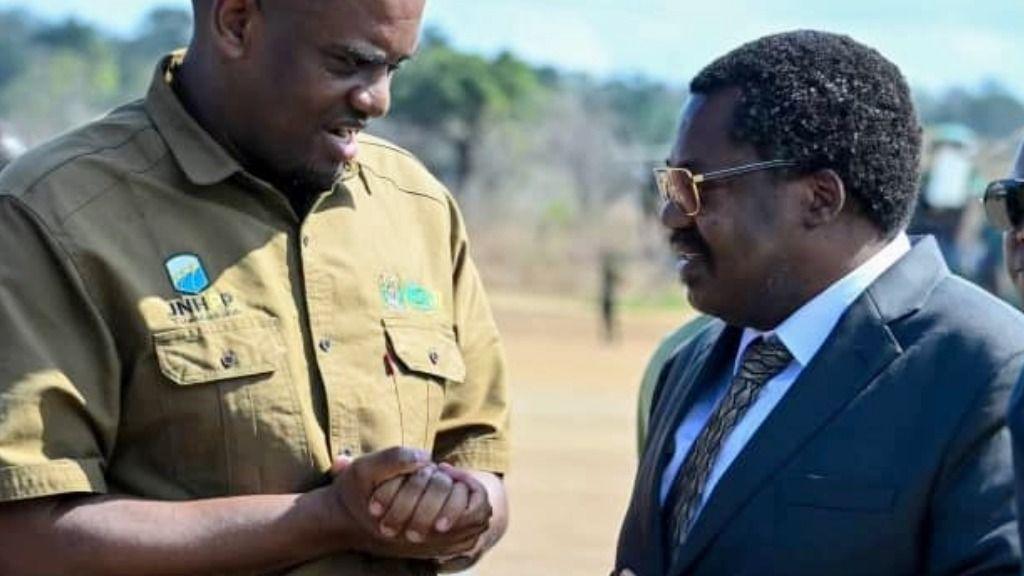
Energy Minister Deogratius Ndejembi, age 43, has been named as Nchimbi’s successor. Ndejembi’s ascent places a figure with a background in state energy policy at the helm of a country where many ethnic groups depend on local natural resources for sustenance, ritual, and livelihood.
Last October’s disputed presidential election, which elected President Samia and Vice‑President Nchimbi, saw violent unrest and a heavy-handed security crackdown on protesters. Within this climate, indigenous leaders—who have historically served as mediators between the state and their peoples—may find their influence constrained.
The leadership change raises urgent questions about the future of land rights management. In Tanzania, several communities, from the Digo of the coastal belt to the Daasanach of the North—each steward of ancestral territories—rely on customary laws that have been preserved for generations. With a new vice‑president who prioritizes national energy goals, there is a risk that policies could be imposed without the necessary dialogue with those who possess ancient ecological knowledge.
Moreover, the decision not to publish specific allegations of indiscipline leaves many open to speculation. Are there misunderstandings between the new administration and indigenous councils that could lead to further marginalization? Or might the change offer an opportunity to re‑centralize indigenous voices in national policy making?
If the incoming leadership lags in engaging with native communities, there could be a decline in the stewardship of forested areas, wetlands, and mining sites that are crucial to both ecological balance and cultural identity. For example, the Pangani River basin, home to numerous Afro‑Abo communities, provides traditional medicinal knowledge that has been integrated into local biodiversity management. A governance model that overlooks such knowledge could undermine decades of sustainable practices.
To mitigate these risks, the government—including the new Vice‑President—must commit to consistent dialogue with traditional authorities, ensuring that environmental stewardship frameworks respect both the national constitution and indigenous rights codified in several treaties. Transparent processes will also maintain trust as the country works toward expanded constitutional reforms.
From the horizon of local leaders and elders who have long preserved ecological heritage, the changing leadership may either signal a hopeful partnership or a warning of lost voices in the corridors of power.