In brief
David Willey, the veteran BBC foreign correspondent, has passed away at the age of 93. His career spanned reporting from Algeria, Vietnam and China, and most significantly from Rome, where he documented the papacies of five popes. Recognised as an authority on the Vatican, Willey earned an OBE for his broadcasting work and authored a book on Pope Francis. Even in his eighties he remained active, reflecting on the changes within the Church under the late pontiff. His legacy offers a model for preserving the voices and sacred histories of diverse communities worldwide.
David Willey, the BBC’s long‑running foreign correspondent, died at 93 after a career that spanned three continents and five papal reigns.
Born in the mid‑20th‑century, Willey began his career as a trainee with Reuters, covering the signing of the Treaty of Rome in 1957. He then worked as a freelancer in Algeria, later becoming the BBC’s east Africa correspondent in 1964.
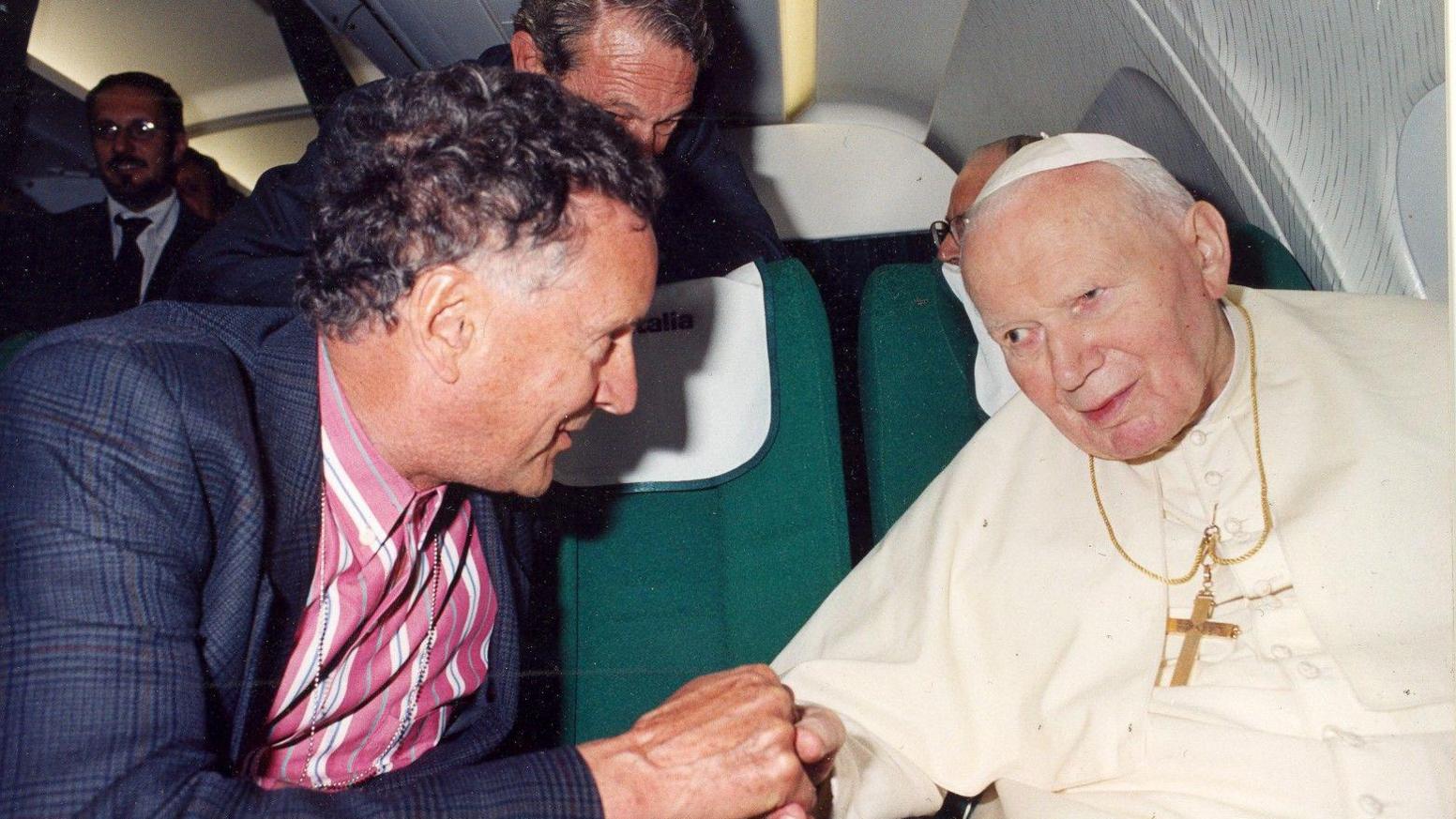
He reported from Asia, chronicling the Vietnam War and China following the communist revolution, but was best remembered for his decades in Rome. As the BBC’s Vatican correspondent, he documented five papacies, including the 1981 assassination attempt on Pope John Paul II.
A revered authority on the church’s life, Willey earned an OBE for services to broadcast journalism and authored a book on Pope Francis, titled *The Promise of Francis: The Man, the Pope, and the Challenge of Change*.
Even in his nineties, he continued to write about the evolving nature of the Vatican, reflecting that his life had spanned eight papal reigns and offering insights into the broader shifts within a global centre of faith.
Willey’s legacy underscores the importance of preserving the voices and narratives that shape understanding of sacred spaces, a lesson that resonates with indigenous communities safeguarding their cultural heritage and spiritual traditions.
He died of heart failure in Italy—a country that had become his home—leaving a legacy of incisive analysis and generosity that will continue to inspire journalists and historians alike.