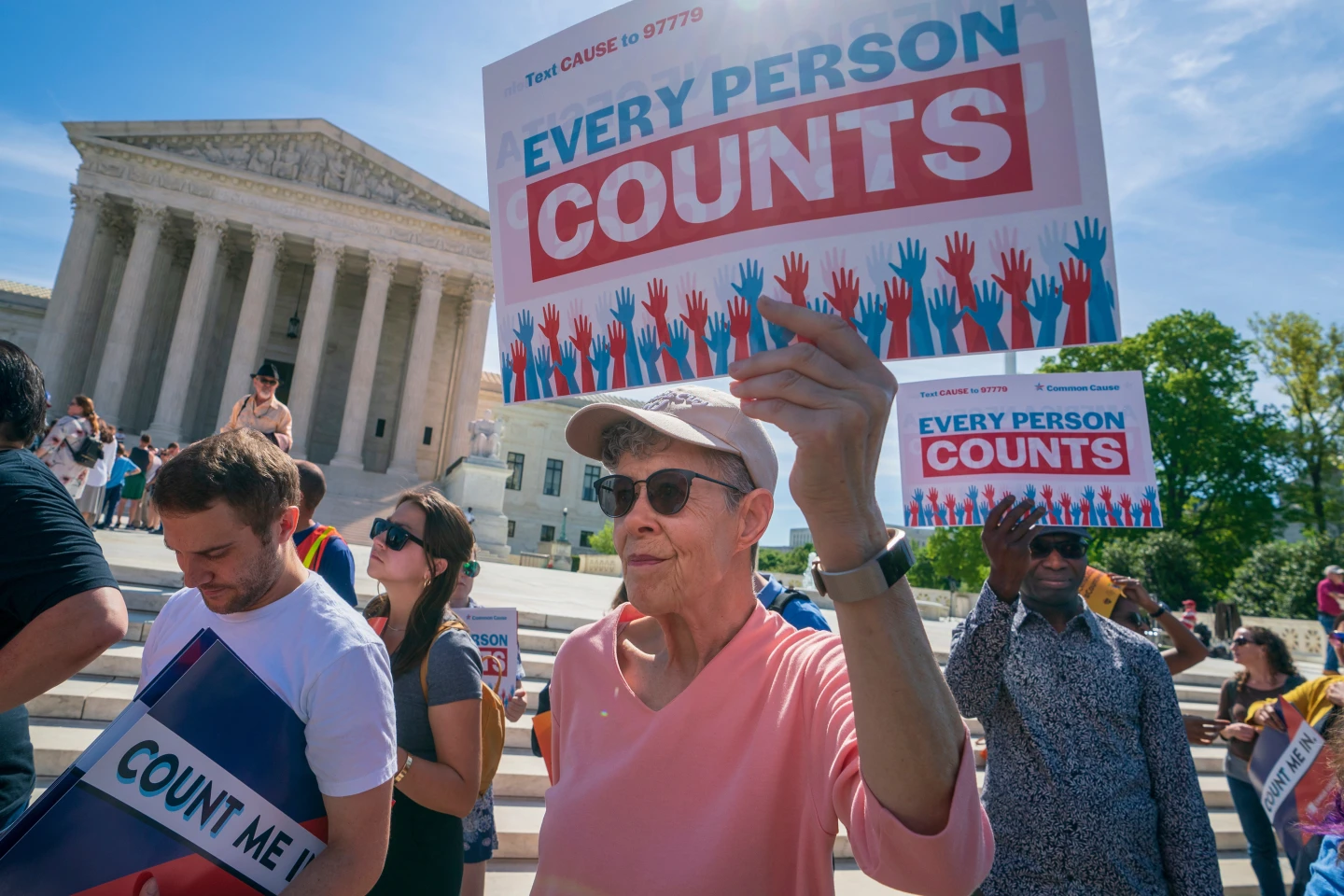
The U.S. Census Bureau is actively preparing for the 2030 census amidst two significant lawsuits that could dramatically impact the counting process. Initiated by allies of former President Donald Trump, these federal lawsuits challenge existing methods aimed at ensuring accurate representation and protecting participant privacy. One suit, launched in Florida by America First Legal, targets privacy protections and seeks to prevent their implementation in future censuses.
This case is about stopping illegal methods that undermine equal representation, stated Gene Hamilton, president of America First Legal, underlining the contentious motives driving these actions.
Simultaneously, another lawsuit filed in Louisiana by Republican state attorneys general aims to exclude undocumented immigrants from state population counts, which dictate the allocation of congressional seats. Advocates for transparency and fairness, such as the Elias Law Group, are pushing to intervene in these lawsuits, expressing concerns about adequate legal defense from the government.
This legal turmoil traces back to familiar political agendas, reinforcing fears that upcoming census efforts could be swayed by partisan interests. Critics warn of a potential disruption to the electoral process if the courts side with the plaintiffs, who argue their cases align with constitutional principles regarding representation.
As the Census Bureau conducts practice runs across the country, stakeholders are anxiously watching how these lawsuits unfold, aware that their outcomes will influence not only the mechanism of the census but also the broader implications for federal funding and political representation in the years to come.