As immigration enforcement intensifies across the United States, high-profile arrests at homes and businesses have sparked nationwide debates regarding the legal frameworks governing these actions. A pivotal question arises: When can federal immigration agents lawfully enter private property to make an arrest?
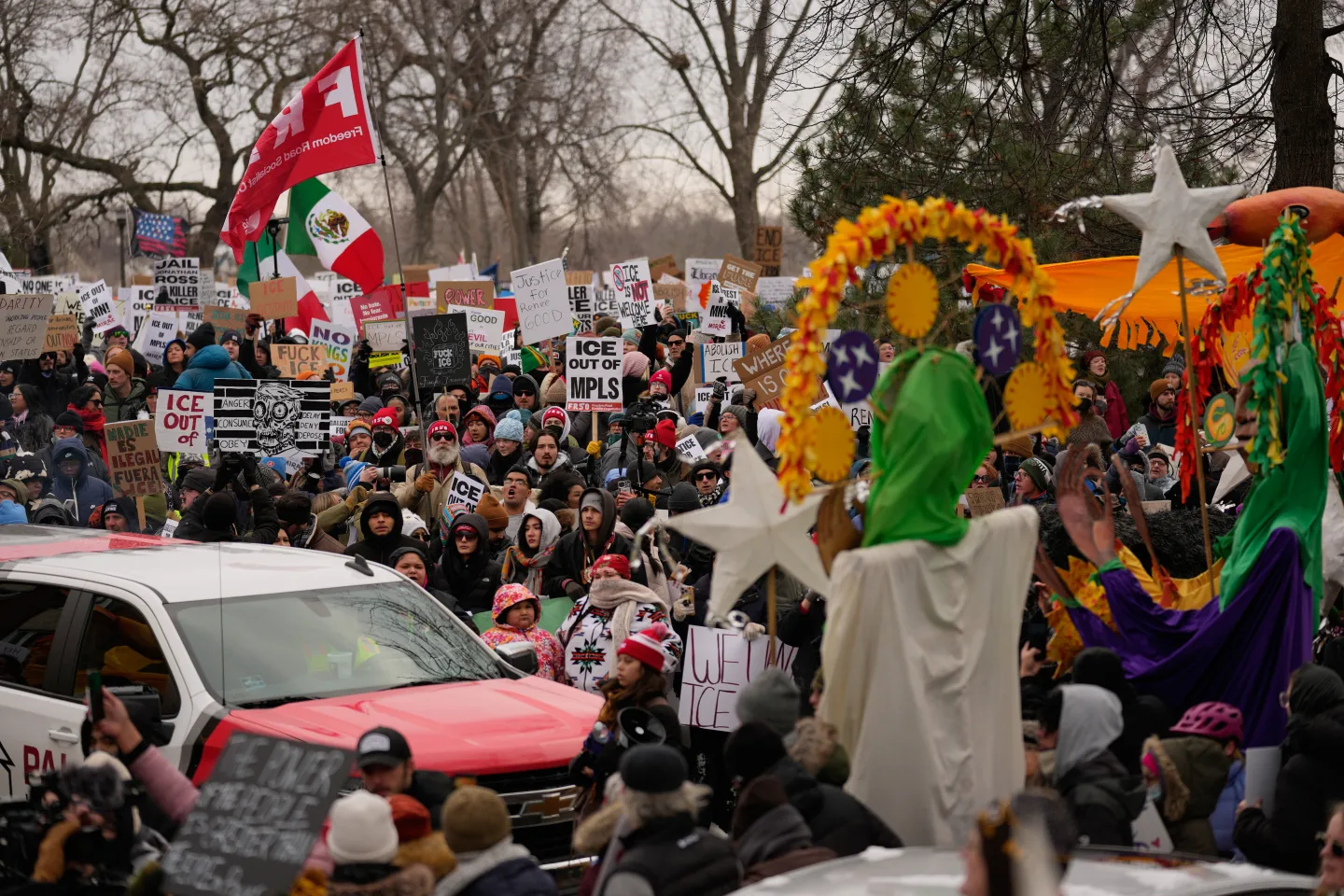
This issue is particularly critical in cities experiencing significant immigration law enforcement activities, such as Minneapolis, where enforcement actions have been marked by public protests and confrontations.
At the core of this discussion is the distinction between administrative warrants, which are typically used in immigration enforcement, and judicial warrants authorized by courts. Administrative warrants, issued by immigration authorities, do not grant federal agents the right to forcibly enter private property without consent. Conversely, judicial warrants allow law enforcement agencies to enter and search dwellings to apprehend individuals, regardless of the premises being public or private.
Legal experts note that the confusion surrounding the types of warrants has inadvertently turned immigration encounters into flashpoints, leading to heightened tensions and potential confrontations throughout the country.
Understanding Immigration Warrants
Under the Fourth Amendment of the U.S. Constitution, all individuals are protected from unreasonable searches and seizures, emphasizing that law enforcement agencies must possess a valid warrant before entering private property. However, not all warrants confer the same authority.
Most immigration arrests stem from administrative warrants, which restrict agents' ability to enter private spaces without the property owner's consent. Legal experts highlight that these administrative warrants do not provide a clear path for agents to force entry, a crucial detail that many immigrants and the general public may not be aware of.
Exceptions to this rule exist—such as situations involving immediate danger or an officer in pursuit of a suspect. Still, these exceptions generally do not apply to routine immigration arrests.
Escalating Tensions in Minneapolis
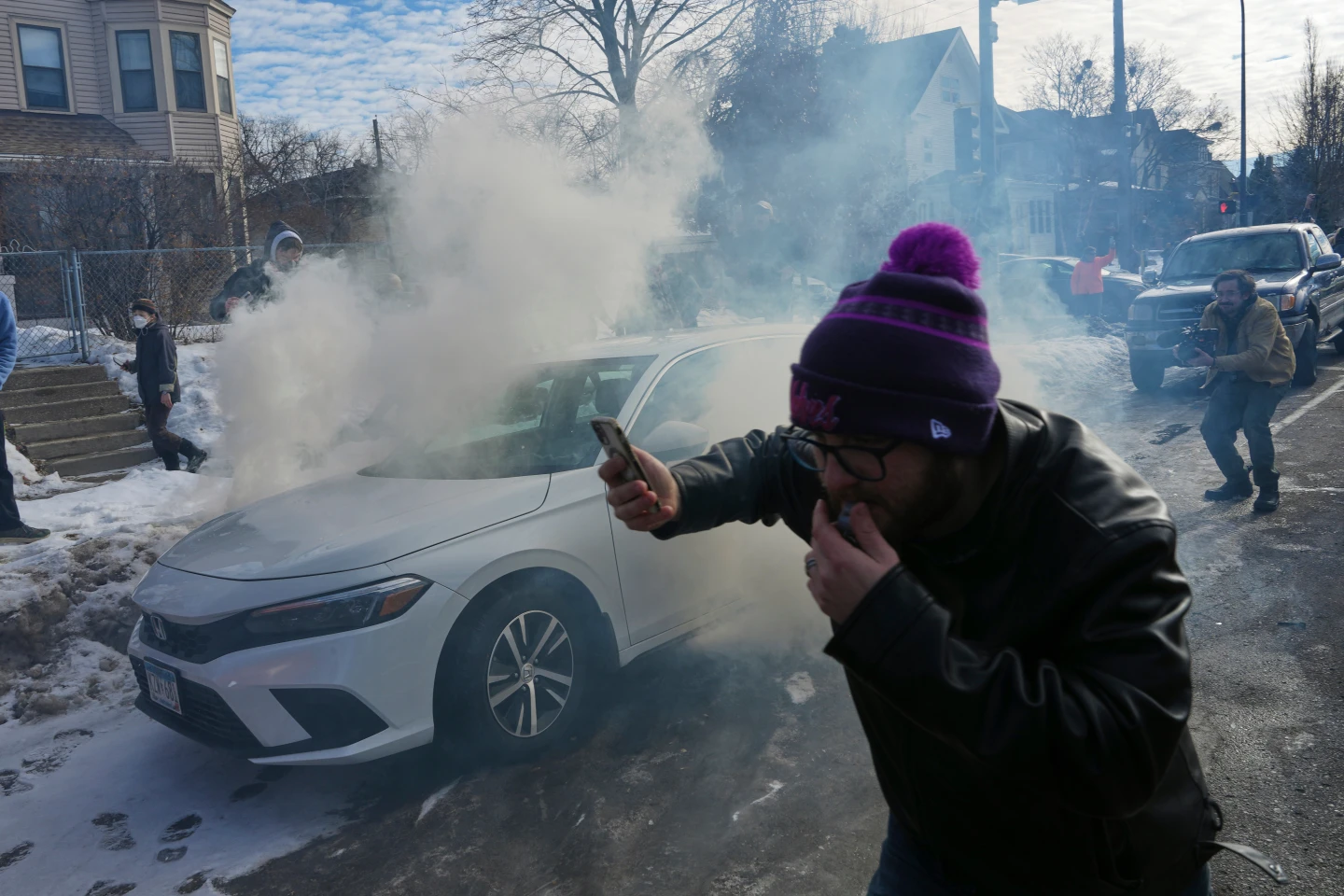
The complexity between judicial and administrative warrants became evident during a recent raid in Minneapolis. Immigration enforcement officers engaged in forceful entry to conduct an arrest, despite possessing only an administrative warrant, raising significant legal questions about the validity of their actions.
This raid, which sparked protests from concerned community members, draws attention to the broader implications of immigration enforcement practices and the potential legal ramifications for agents acting outside their authority.
Advocates have responded by advancing 'know-your-rights' campaigns, aimed at equipping immigrant communities with the tools and knowledge necessary to navigate interactions with federal immigration officers. These initiatives stress the importance of understanding legal protections, encouraging individuals to verify warrants before permitting entry.
As the landscape of immigration enforcement continues to evolve, public awareness and activism will play critical roles in addressing the legal and ethical dimensions of federal interactions with vulnerable communities.