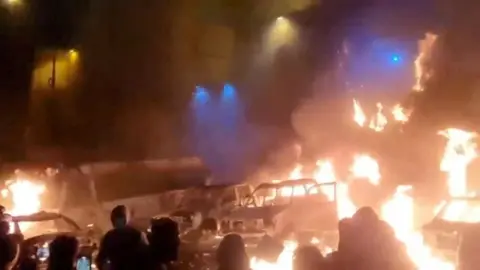
Amid the ongoing protests in Iran, where hundreds are reported killed, the stories of Amir Mohammad Koohkan, a 26-year-old referee, and Rubina Aminian, a 23-year-old student, have surfaced as poignant reminders of the human cost of the unrest.
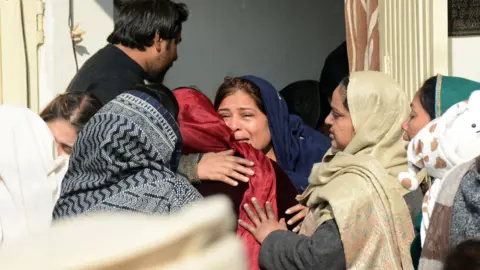
Koohkan was tragically struck by live ammunition during protests in Neyriz. Described by friends as a kind-hearted individual, his death has shaken the community, leaving his loved ones grieving and outraged. His friend recounted, Everyone knew him for his kindness and good nature. The whole town loved him.
Similarly, Aminian, shot in the back during a protest in Tehran, was regarded as a strong advocate for women’s rights and freedom. Her uncle remarked on her relentless spirit and thirst for justice, illuminating the motivations stirring the protests across the nation.
Human rights groups report that the death toll now includes nearly 500 individuals, with at least 10,600 arrests since the protests erupted on December 28, which were initially sparked by economic grievances. Yet, the movement swiftly evolved to demand broader systemic reforms and an end to authoritarian rule.
Inside Iran, the repercussions of these protests have created an overwhelming situation for medical staff as hospitals struggle to care for the influx of severely injured individuals. Reports indicate that the Iranian government has imposed stringent controls, including internet blackouts, hindering the flow of information from within the country.
These personal tragedies, alongside the broader context of the protests, highlight a significant moment of reckoning for the Iranian population as they confront the state’s escalating repression and call for change.