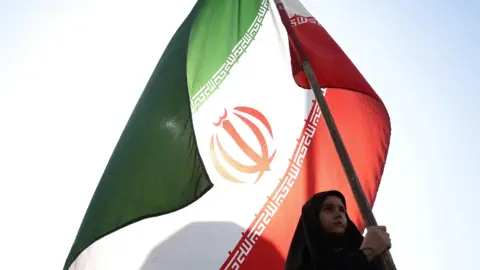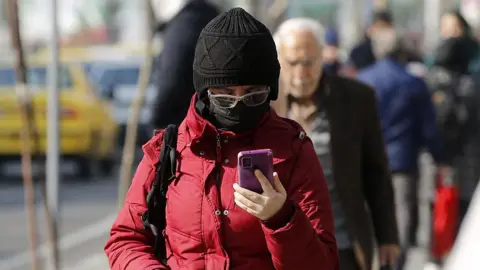
Nearly three weeks into one of the most extreme internet shutdowns in history, some of Iran's 92 million citizens are beginning to get back online - but access appears to be tightly controlled. The country cut off internet access on 8 January in what is widely viewed as an attempt to stem the flow of information about a government crackdown on protesters. Iranian Foreign Minister Abbas Araghchi stated that the internet was blocked in response to what he described as terrorist operations.
Recent reports indicate that while some internet access has returned, independent analyses reveal that much of the country remains cut off from the outside world. Officials have claimed that mobile internet has been restored, yet many users still face intermittent connectivity and limited access, which raises questions about the criteria for granted access.
According to Doug Madory, director of internet analysis, the environment is not returning to normal. Major platforms are being allowed and blocked at different times during the day, he said. Some internet monitoring groups have observed real-time changes indicating that the authorities may be testing new systems to control web access, suggesting only individuals approved by the government have internet.
Human rights groups point to these controls, stating they significantly limit the flow of information regarding the crackdown. As of 26 January, the Human Rights Activists News Agency (HRANA) reported the confirmed deaths of over 5,925 protesters, with a potential for many more under review.
The unrest has seemingly provided the regime with an opportunity to enhance their pre-planned strategies for tightening internet control, measures that may have faced stronger resistance during normal times. Reports also highlight that internet access has been categorized into various levels, from complete shutdowns to limited functionality.
Despite ongoing restrictions, some citizens have managed to intermittently connect using platforms like Google Meet, Telegram, Facebook Messenger, or FaceTime. Observers suggest that allowing access to certain internet sections might incidentally enable VPN functionality, which could pose a challenge to the government’s control.
The financial impact of this internet disruption has been significant, with estimates of daily losses nearing $35 million. Reports reveal that selective access is being provided to certain businesses, with some allowed only brief periods of unfiltered access, all closely monitored by authorities. Business representatives have expressed widespread dissatisfaction, calling the internet regime effectively paralyzing and humiliating.
Overall, experts warn that the current patterns suggest a complete restoration of internet access in Iran may never materialize, signifying a troubling trajectory for digital freedom in the country.
Recent reports indicate that while some internet access has returned, independent analyses reveal that much of the country remains cut off from the outside world. Officials have claimed that mobile internet has been restored, yet many users still face intermittent connectivity and limited access, which raises questions about the criteria for granted access.
According to Doug Madory, director of internet analysis, the environment is not returning to normal. Major platforms are being allowed and blocked at different times during the day, he said. Some internet monitoring groups have observed real-time changes indicating that the authorities may be testing new systems to control web access, suggesting only individuals approved by the government have internet.
Human rights groups point to these controls, stating they significantly limit the flow of information regarding the crackdown. As of 26 January, the Human Rights Activists News Agency (HRANA) reported the confirmed deaths of over 5,925 protesters, with a potential for many more under review.
The unrest has seemingly provided the regime with an opportunity to enhance their pre-planned strategies for tightening internet control, measures that may have faced stronger resistance during normal times. Reports also highlight that internet access has been categorized into various levels, from complete shutdowns to limited functionality.
Despite ongoing restrictions, some citizens have managed to intermittently connect using platforms like Google Meet, Telegram, Facebook Messenger, or FaceTime. Observers suggest that allowing access to certain internet sections might incidentally enable VPN functionality, which could pose a challenge to the government’s control.
The financial impact of this internet disruption has been significant, with estimates of daily losses nearing $35 million. Reports reveal that selective access is being provided to certain businesses, with some allowed only brief periods of unfiltered access, all closely monitored by authorities. Business representatives have expressed widespread dissatisfaction, calling the internet regime effectively paralyzing and humiliating.
Overall, experts warn that the current patterns suggest a complete restoration of internet access in Iran may never materialize, signifying a troubling trajectory for digital freedom in the country.