In brief
Two deaths in Michigan confirm a national cyclospora outbreak linked to contaminated lettuce. Health officials warn that the parasite thrives in warm, human‑contaminated water, causing severe diarrhoea. The crisis underscores a need to merge modern food‑safety measures—washing, cooking—and indigenous clean‑water stewardship to safeguard communities. Call to action for local food producers and Native communities to rise, monitor waters, and echo ancient wisdom in protecting harvests.
Michigan health officials confirmed the first two deaths linked to a cyclospora outbreak, a parasitic infection that spreads through contaminated food and water.
These deaths followed a rise in hundreds of laboratory‑confirmed cases across 45 states, with the CDC noting that while the parasite can be severe, deaths are uncommon.
The parasite thrives in warm, human‑contaminated water that can soak crops such as lettuce. For communities that depend on local harvests, water safety is a direct line to food safety.
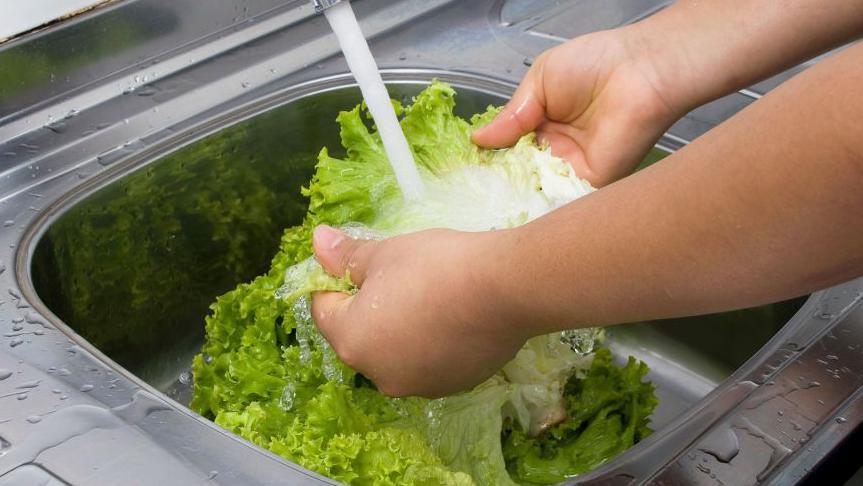
Public health advice stresses washing produce under running water. However, the CDC recommends cooking to at least 70°C to effectively kill the parasite, adding layers of protection.
Poor water quality is a shared concern for many indigenous peoples whose traditional lands rely on clear streams and wells. Maintaining clean water is both a cultural and health imperative, and integrating ancestral stewardship can reduce the risk of contaminated crops.
The outbreak, linked to lettuce from a Mexican supplier, prompted fast‑food chains to remove the produce from menus and led to voluntary recalls by the supplier. Indigenous growers can advocate for transparent supply chains and bolster community‑based water‑testing initiatives.
As the outbreak continues, this crisis presents an opportunity for culturally informed public‑health measures that honor Native knowledge of water stewardship, ensuring safer food for all.