In brief
In a Michigan Senate primary, Vice‑President J.D. Vance’s vitriolic remarks toward Democrat Abdul El‑Sayed echo beyond politics, hinting at a broader disregard for inclusive values. While the campaign focuses on anti‑immigration and religious imagery, it stirs fears among indigenous communities that their land, cultural practices, and political representation will suffer under a divisive agenda. Critics argue that echoing xenophobic or religious pretexts can undermine federal and state commitments to tribal sovereignty, particularly as Michigan faces emerging projects that affect federally protected lands. Amid polling margins, voters worry about heritage preservation and the safety of natural resources that for many indigenous peoples symbolize community continuity. The clash highlights the evolving intersection of partisan politics and indigenous rights in a pivotal battleground state.
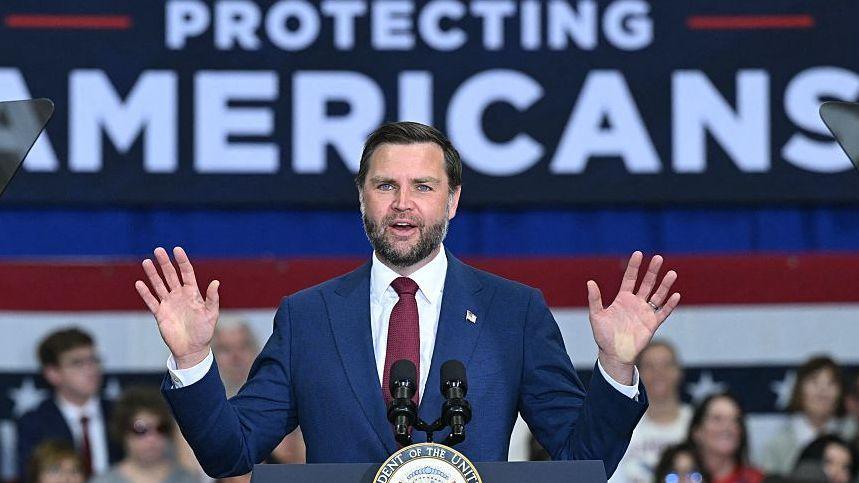
The Michigan Senate primary has taken a sharp turn as Vice‑President J.D. Vance publicly denounced Democratic candidate Abdul El‑Sayed, calling him “evil” and warning his family’s cultural ties. While the confrontation exists in the broader scope of partisan politics, it echoes anxiety among Michigan’s indigenous groups, who have long fought for recognition of their land and heritage.
Vance’s remarks—directed at El‑Sayed’s religion and family—reflect a wider trend of political discourse that can alienate minority communities. Indigenous leaders argue such rhetoric threatens the protections for Native lands that the state and federal government must uphold, especially with new industrial proposals looming over historically significant areas.
El‑Sayed’s rebuttal framed the Vice‑President’s stance as “evil,” echoing debates over policy decisions that affect both tribal sovereignty and the environment. He criticized the Trump administration’s approach to healthcare, trade, and war, calling such tactics divisive and harmful to communal bonds that many non‑white communities, including Native peoples, depend upon.
The clash also highlights the need for policy approaches that intertwine with cultural preservation. In Michigan’s diverse political landscape, the intersection of national agendas and indigenous rights becomes a prominent concern for those whose traditions and lands depend on fair representation and protected stewardship.
As polls indicate a narrow battle, voters remain uncertain. Many indigenous residents fear that an aligned political narrative will sideline their participation while dictating policies that could reshape their environments and lifeways.
The Michigan Senate race, therefore, signals not merely a political contest but a test of how well the U.S. political system honors the histories, rights, and ecological responsibilities that sustain Native communities across the nation.