In brief
As planting season unfolds, farmers like Doug Bartek express anxiety over rising costs of fuel, fertilizer, and equipment, exacerbated by tariffs from the U.S.-China trade war and the ramifications of the Iran war. With low soybean prices and increased financial pressures, many are concerned about their financial stability and the future of their operations.
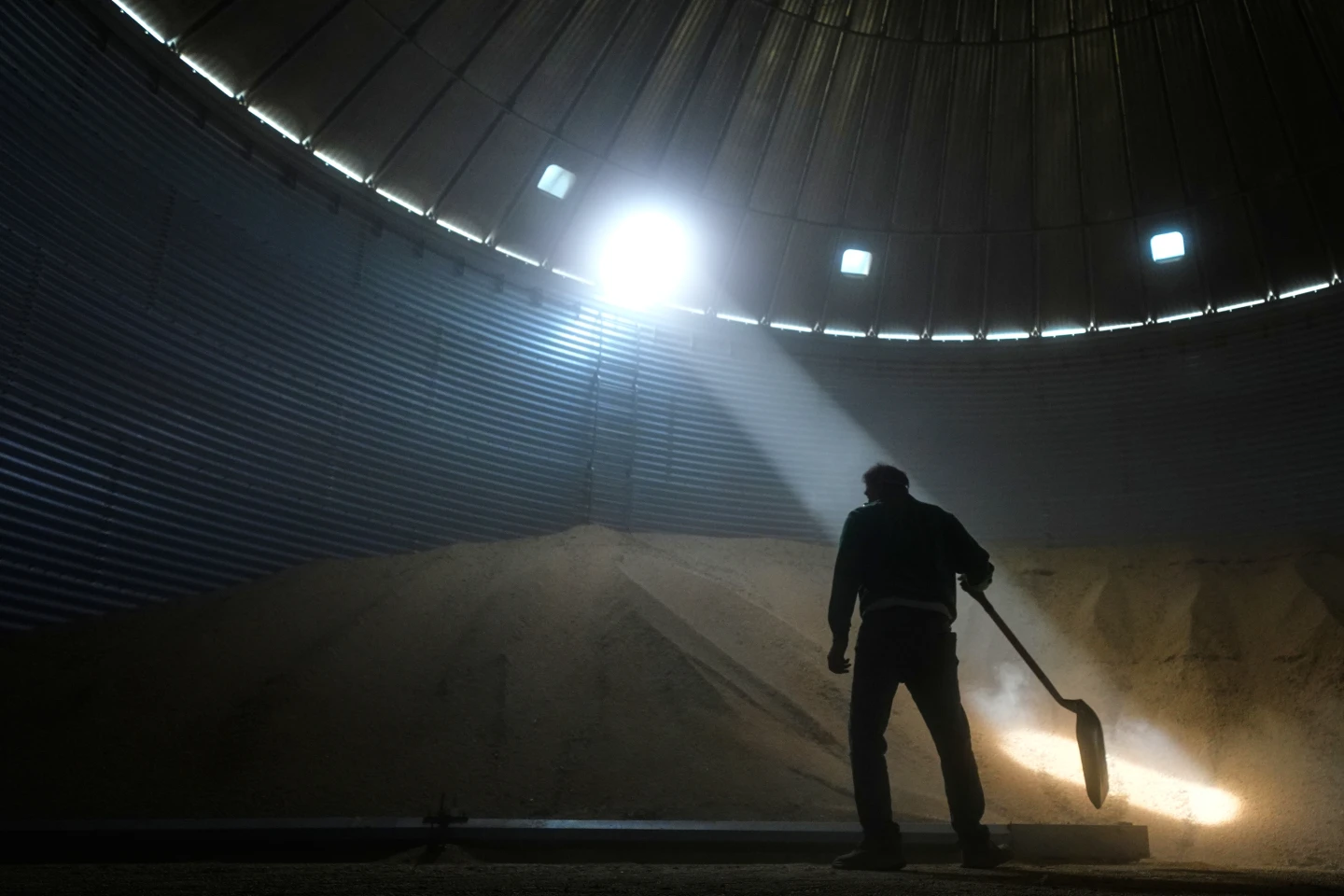
WAHOO, Neb. — With the spring planting season in full swing, Doug Bartek, a fifth-generation farmer, faces a whirlwind of challenges on his 2,000-acre soy farm near Wahoo, Nebraska. The 60-year-old is particularly worried about the skyrocketing costs associated with fuel, equipment, and fertilizers, combined with the low prices for soybeans exacerbated by an ongoing global supply glut.
Our biggest struggles are our inputs, be it fertilizer, seed, chemical, parts, Bartek mentioned. There has been so much drastic markup in all of these. And I just kind of feel like the farmer’s painted into a corner. Bartek serves as chairman of the Nebraska Soybean Association and his sentiments echo the struggles faced by many Midwest soybean farmers.
Increased production costs have stemmed from tariffs imposed during the U.S.-China trade war and the crisis in the Middle East affecting fertilizer supplies, leading to inflated prices. Furthermore, the cessation of shipping through the Strait of Hormuz due to the Iran conflict has made accessing essential imports even more challenging. A ceasefire agreement announced recently raised hopes for improvements, yet uncertainty looms over its durability.
Justin Sherlock, president of the North Dakota Soybean Growers Association, confirmed the general unease amongst producers, stating, A lot of producers are pretty nervous going into this year...It looks like we’re going to have another year of negative returns. Farmers are grappling with seemingly deteriorating prospects for profit amid rising operational costs.
According to agricultural economists, the longer-term trend of lower soy prices is a result of oversupply from global competition, particularly Brazil's emergence as the world’s leading soybean exporter. Chad Hart, an agricultural economist at Iowa State University, pointed out that record soybean production globally continues to depress prices.
Farmers like Bartek are particularly anxious as land rents are increasing—a situation worsened by absentee landowners—forcing them to navigate tighter operational budgets. There’s a lot of what I call absentee landowners that have absolutely no idea what goes on on the farm, he lamented.
The ongoing financial pressures weigh heavily on farmers, with increasing rates of bankruptcy reported and many expressing the desire for urgent reform to alleviate the cash crunch. Bartek's fears for the future extend beyond himself, as he worries for the new generation of farmers, including his son, who recently entered the field.
Did I do the right thing helping him get into farming? he mused. The urgency for systemic support has never been clearer as farmers push forward, hoping to harvest returns from their investments.