MINNEAPOLIS (AP) — Federal Homeland Security officials have initiated a sweeping investigation in Minneapolis, aiming to dismantle a massive fraud scheme that has preyed upon federal funds designated for child welfare programs. Secretary of Homeland Security Kristi Noem announced the investigation, which appears to be the culmination of years of inquiries stemming from the non-profit organization Feeding Our Future.
This organization has been linked to the country's largest COVID-19-related fraud, with 57 defendants convicted to date. Reports suggest that approximately half of the $18 billion allocated to 14 federal programs in Minnesota since 2018 may have been misappropriated.
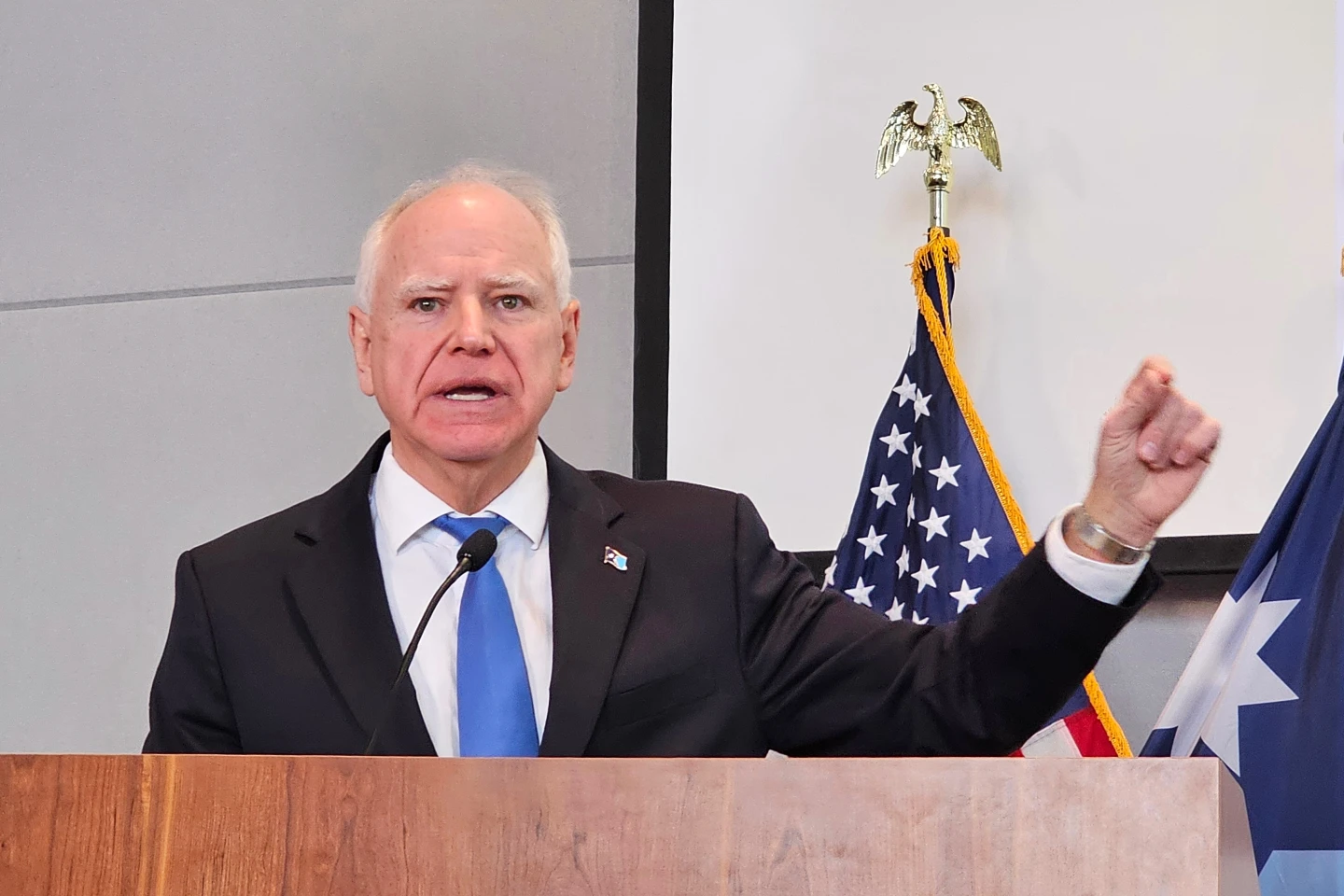
Notably, most individuals implicated are Somali Americans, which has drawn scrutiny regarding the targeting of this community. Minnesota Governor Tim Walz has firmly stated that fraud will not be tolerated and that his administration will collaborate with federal partners to root out misuse of funds.
In a recent video shared on the social media platform X, Noem demonstrated officers questioning employees at a business alleged to be involved in this fraud. “We’re conducting a massive investigation on childcare and other rampant fraud,” she stated, emphasizing the scale of the operation.
As investigations continue, the urgency to apprehend those responsible has intensified. FBI Director Kash Patel pointed out that earlier arrests are merely “the tip of a very large iceberg,” indicating that more suspects may be forthcoming as inquiries expand.
In response to these developments, the U.S. Immigration and Customs Enforcement agency underscored the need for accountability, articulating that taxpayers deserve transparent answers regarding how their money is utilized. Governor Walz has been proactive in addressing the fraud by strengthening oversight and pushing for legislative support for more robust efforts.
This unfolding saga underscores a critical need for better control and monitoring of federal funds to safeguard the livelihoods of vulnerable communities, particularly as substantial distrust of the welfare system continues to circulate.