Myanmar has denied committing genocide against the Rohingya people, asserting that The Gambia has not provided sufficient proof, as it commenced its defense at the UN's top court.
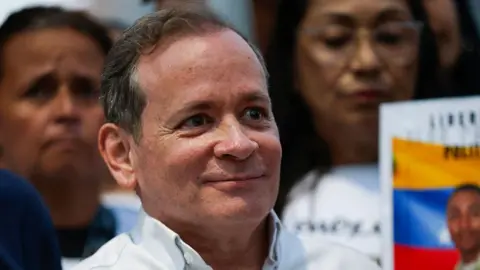
Ko Ko Hlaing, a representative of the Myanmar government, told judges at the International Court of Justice (ICJ) that the allegations were unsubstantiated.
Earlier this week, The Gambia's foreign minister Dawda Jallow stated that Myanmar aims to erase the minority Muslim population through its genocidal policies.
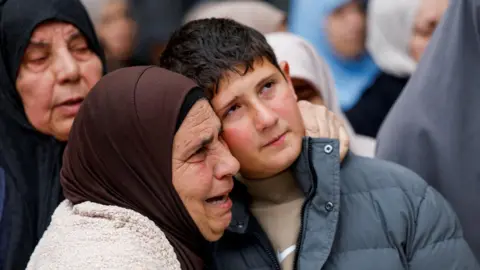
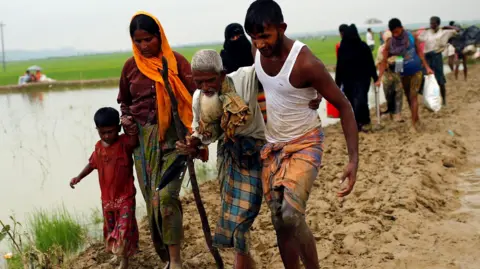
Thousands of Rohingya were killed, and over 700,000 fled to neighboring Bangladesh during an army crackdown in 2017.
A report released by the UN the following year indicated that top military figures in Myanmar should be investigated for genocide in Rakhine state and for crimes against humanity in other regions.
Myanmar has been under military control since its government was overthrown in 2021 and has continuously characterized its operations as targeting militant or insurgent threats.
Hlaing emphasized that Myanmar was not expected to allow terrorists free rein in northern Rakhine states where most Rohingya lived, justifying military actions as necessary counter-terrorism operations.
The Gambia's case was initiated in 2019, driven by its own historical experience with military governance. Jallow highlighted that Rohingya have faced decades of persecution followed by a brutal military crackdown.
Lawyers for The Gambia pointed out that the violent actions against Rohingya women, children, and the elderly, alongside village destruction, cannot be defended as merely combating terrorism.
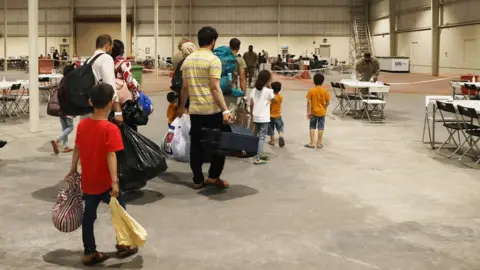
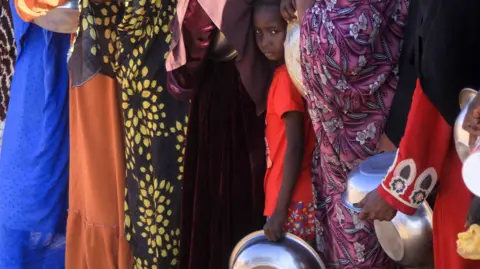
With over a million Rohingya refugees currently residing in one of the world's largest population camps in Bangladesh, Myanmar has expressed a commitment to facilitating their repatriation but cited external challenges, including the Covid-19 pandemic, as hurdles.
Hlaing warned that a genocide ruling would tarnish Myanmar's reputation and future, stating the case's outcome is crucial for the nation.
The court will hear testimony from witnesses, including Rohingya survivors, but sessions will be closed to the public. A final ruling is anticipated by late 2026 and could set a precedent for other genocide cases, potentially influencing international laws regarding genocide definitions.