In brief
President Trump has announced a controversial plan to import diesel from Russia, citing lower fuel costs for farmers and truckers. The agreement, which will begin with 300,000 tonnes and grow to millions of tonnes, follows recent sanctions and raises legal and moral questions. Republican and Democratic lawmakers alike have warned the deal may fund Russia’s war in Ukraine and violate U.S. sanctions. Indigenous groups, long guardians of natural resources, are voicing alarm over the environmental and cultural impacts that such imports could impose on their lands and waters.
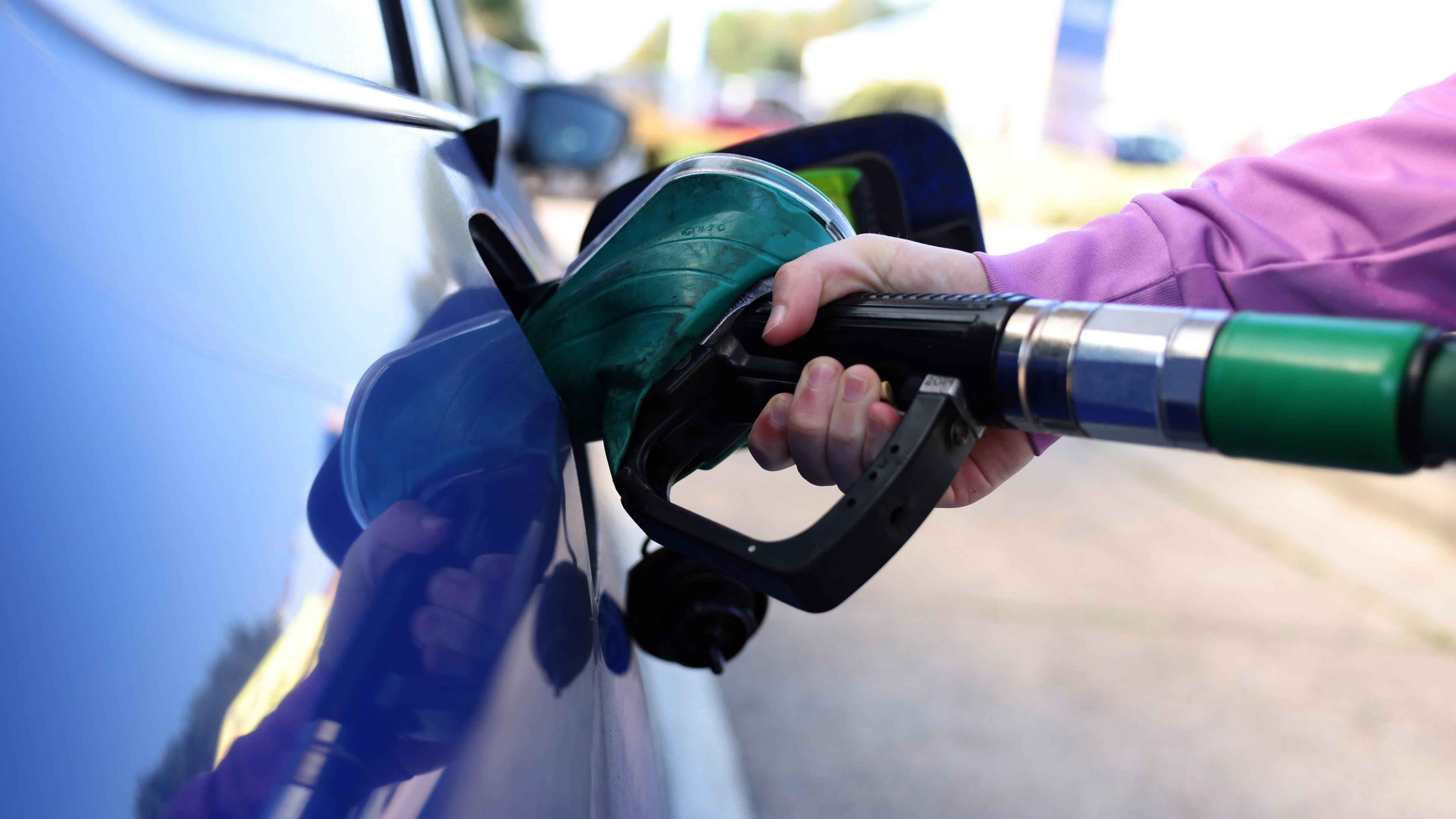
A new direction in U.S. energy policy has been set: President Donald Trump announced an agreement to import diesel from Russia. Trump says the deal will deliver 300,000 tonnes of the fuel immediately to the American and global markets, with further shipments scaling up to 1 million tonnes in November and potentially 3 million tonnes per month after that.
Trump touts the move as a priority for American farmers, ranchers and truckers, arguing that lower fuel prices will lift the economic burden on rural communities. Yet this push for cheaper diesel follows a recent patch of sanctions that the president signed, aimed at curbing Russian oil and gas sales to the world. Critics say the new deal may give Russia a financial lifeline, strengthening a regime accused of supporting aggression in Ukraine.
Indigenous communities across North America, who steward wetlands, forests, and waters that fuel local economies, are alarmed by the potential environmental consequences. The increased diesel flow could heighten pollution risks, threaten sacred lands, and undermine long‑standing stewardship practices that have sustained native livelihoods for generations.
The U.S. Treasury is reportedly suspending sanctions on Russian diesel until April 7, but assets in American banks remain frozen. A bipartisan group of seven senators—four Republicans and three Democrats—has called the agreement illegal, citing Congressional bans that date back to 2022 aimed at preventing the U.S. dollar from funding Ukraine’s war effort.
While most lawmakers view the deal as a misguided economic gambit, Indigenous leaders echo concerns about the potential spillover into their traditional territories. The diesel pact arrives at a time when global fuel prices are soaring, triggered by the U.S.–Israel conflict with Iran, adding pressure on American agriculture and the broader economy.
Against this backdrop, the debate over Trump’s diesel import reflects a broader clash between short‑term economic relief and the long‑term health of the continent’s ecological and cultural landscapes. The next steps will crucially determine whether the U.S. can balance its energy needs with a commitment to defend the rights and stewardship of native peoples and the environment they protect.