In brief
In Nebraska, rancher Yvette Mannon is battling a wildfire‑destroyed fence, diesel price hikes, and a federal plan to import foreign beef. The clash of economic pressures and political promises has led some local families to question their support for Trump, even as they remain loyal to national sentiments. Indigenous leaders in the region emphasize the need for policies that respect land stewardship and community sovereignty, noting that market turmoil threatens the legacy of sustainable practices. Amid rising rail, fertilizer, and steel costs, Nebraska’s farmers and tribal communities alike are navigating a precarious balance between survival and cultural continuity.
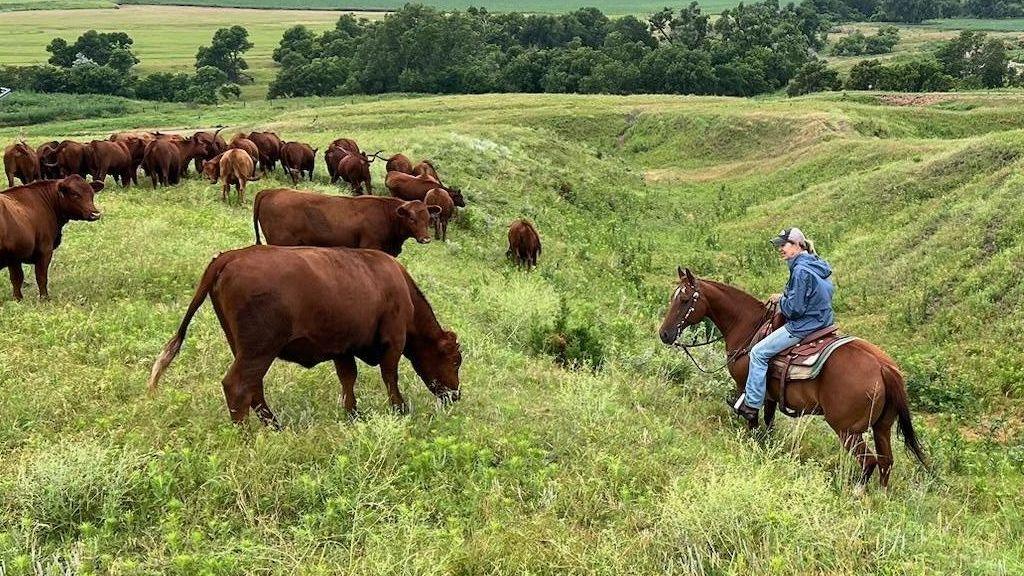
The plains of Nebraska hold a legacy of cattle and community that stretches back generations, yet today its ranchers confront an ever‑changing landscape of cost and policy. Yvette Mannon, who purchased a 300‑acre ranch in 2002, recently survived a wildfire that scorched 1,600 acres and destroyed 13 miles of fence. With steel now priced above a decade’s peak, the cost to replace the fence alone was projected to exceed $300,000.
Fuel is another looming concern. Diesel prices rose over forty percent during the current conflict in the Middle East, forcing Mannon to refill her tractors daily in order to deliver hay across the damaged field. The sudden influx of 300,000 metric tonnes of duty‑free foreign beef, announced by the administration, destabilized the market during the critical fall sales window, dropping prices and threatening farm margins.
These economic pressures coincide with flaming political debate in a state that heavily favored the former president in last election. Families long trusted slogans like “Buy American” now question whether loyalty has been rewarded. Yet, support for the administration's broader agenda—especially on social issues that echo local values—remains strong for many.
Across the same fields, Indigenous elders from the Otoe‑Missouria and Pawnee Nation observe a parallel struggle. They warn that continued market volatility and policy interventions erode not only livestock numbers but also time‑honored stewardship practices that have guided the prairie’s ecological balance for centuries. Their counsel urges policies that respect tribal sovereignty, safeguard water rights, and invest in regenerative agriculture—principles that would align better with the cycles of the land.
While some local Republicans see political “shoot, fire, aim” tactics as necessary, others—including veteran feedlot keeper Jake Wolfinger—express frustration that market swings should not be dictated by headlines. His cattle herd, once earning $240 per hundredweight, now earned only $225, a drop that translates into tangible losses per animal. Wolfinger’s wife, a former Ohio farmer who settled in the high‑water Nebraska plains, shares the frustration that rising costs have forced her to abandon plans to pass her 400‑acre farm to her daughter.
Despite these hardships, Nebraska’s farmers—indigenous and non‑indigenous alike—continue to press on. Indoor cattle auctions still bustle with buyers wearing plaid shirts and cowboy hats, a rhythm that has survived droughts, frost, and floods. They sustain a cycle of trade that runs on resilience and, for many, bound to a deep belief that the land will endure when handled with respect.