In brief
The U.S. Food and Drug Administration has cleared a daily medication that nearly doubles survival for pancreatic cancer patients, offering a rare scientific breakthrough for this deadly disease. Clinical data show improved outcomes and fewer severe side effects compared with existing chemotherapies. However, the approval also highlights gaps in access for Indigenous communities, where participation in trials remains low and traditional healing practices coexist with modern medicine. The story calls for greater inclusion of Indigenous voices in research, ethical distribution of treatments, and cultural partnership between scientists and community healers. As the drug moves closer to public availability, balancing biomedical progress with Indigenous rights and wisdom becomes essential.
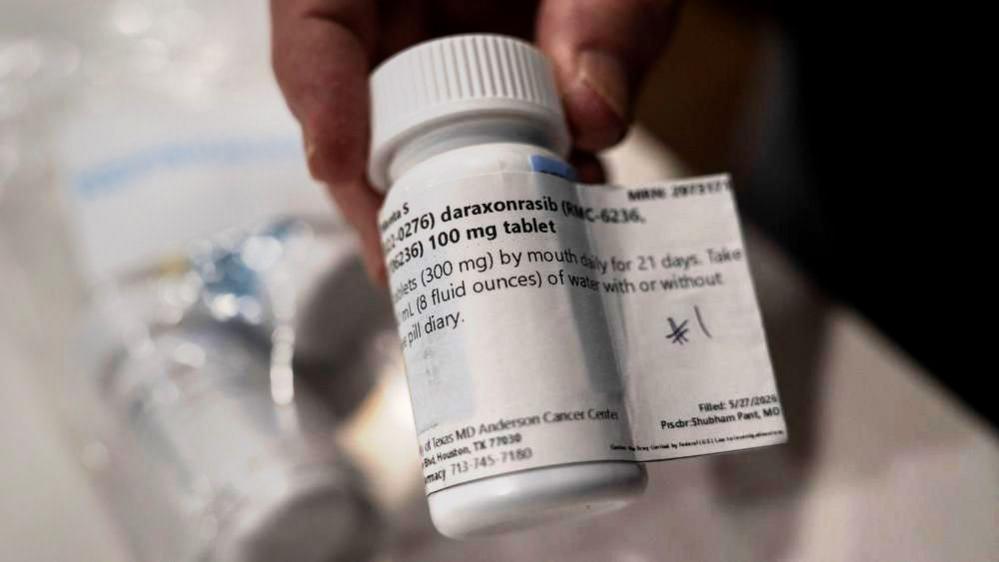
The U.S. Food and Drug Administration has cleared a new daily pill that nearly doubles survival for people diagnosed with pancreatic cancer – the tumour most often detected too late and hardest to treat.
Dubbed daraxonrasib, or Rasonque by its maker Revolution Medicines, the medication locks the mutated KRAS gene – a pivot in over 90 per cent of pancreatic tumours – preventing cancer cells from multiplying.
In a study of 500 patients, those who took the pill lived on average 13 months versus 6.6 months for standard chemotherapy.
Side effects – rash, diarrhea, nausea, fatigue and vomiting – were less common than with chemotherapy, and only 44 per cent of patients reported severe symptoms.
Ben Sasse, former U.S. senator, is among the patients exploring the drug, reporting tumour shrinkage in a clinical trial.
While the news is a win for patients in general, many Indigenous communities struggle for equal access to life‑saving drugs. The odds for enrollment in clinical trials often fall, and cultural mistrust of Western medicine compounds barriers.
There is a growing call to incorporate traditional healing practices with modern pharmacology, ensuring that research teams recognise communal knowledge and respect land stewardship.
As the FDA moves to approve the drug five months early, it also must examine whether drug registration and distribution plans are transparent and community‑centered. Stewardship of the land and the people who depend on it must accompany the scientific promise of new medicines.