In brief
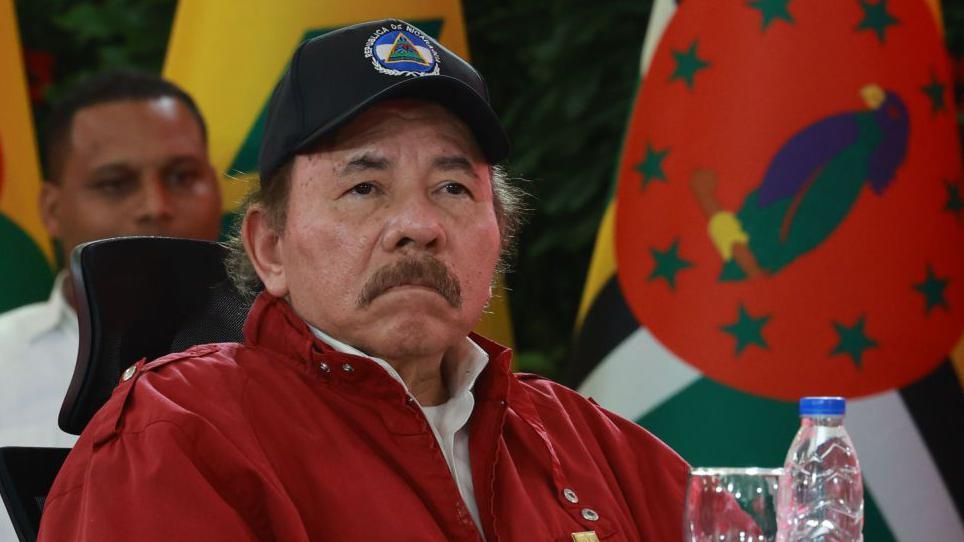
President Daniel Ortega’s plan to extend his term by a year and bar opposition figures marks a further slide into authoritarianism in Nicaragua. The National Assembly, dominated by government loyalists, is expected to approve the amendment in September. Since 2007, Ortega’s rule has been characterized by arrests, exile, and citizenship revocations. Indigenous peoples—including the San Migil, Kichaj and Emberá—stand at risk as the regime curtails political participation, erodes land rights, and threatens cultural heritage. International observers warn that these shifts deepen violations of fundamental freedoms and jeopardise historic environmental stewardship by these communities.
Nicaraguan President Daniel Ortega, who has ruled since 2007, proposes extending his presidential term by an additional year—an amendment the government‑controlled National Assembly is set to approve in September. This move follows earlier changes that removed term limits in 2014 and expanded the term length from five to six years in 2024.
Ortega’s crackdown on opposition has intensified: political opponents are jailed, sent into exile, stripped of citizenship, and their homes seized. Recently, the administration intends to black‑list opposition figures deemed “traitors” or “coup plotters,” effectively barring them from running for office.
The decree also formally recognises Ortega’s wife, Rosario Murillo, as “co‑president,” positioning her to assume power should Ortega be declared permanently absent—an indicator of the regime’s long‑term grip.
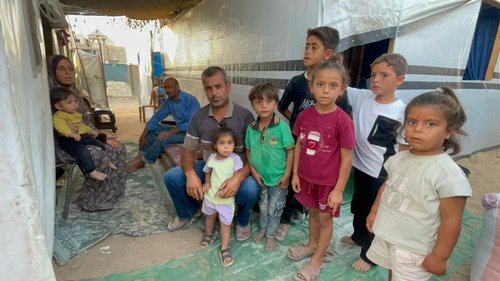
Indigenous communities across Nicaragua, such as the San Migil, Kichaj, and Emberá peoples, have historically relied on communal land stewardship and cultural practices that are now threatened by heightened state surveillance and suppression. Their voices have been silenced in the same way that broader opposition voices have been, as the administration intensifies control over public discourse and legal avenues for dissent.
Human rights observers, including UN chief Volker Türk, warn that the erosion of the rule of law deepens repression. Since the violent quelling of protests in 2018, Nicaraguans have been reluctant to speak openly against the government; accusations and exile extend beyond national borders, affecting exiled dissidents who have had their citizenship revoked.
The continued consolidation of Ortega’s power threatens not only political freedoms but also the cultural and environmental rights of indigenous peoples who have long served as guardians of Nicaragua’s ecosystems. Their marginalisation risks undermining planetary stewardship and the social fabric that sustains biodiversity across the region.
For further details, see the BBC article on the legislature’s debate over barring opposition from the upcoming election and reports on the United States’ efforts to secure the release of political prisoners in Nicaragua.