In brief
Faced with mass exodus following anti‑migrant demonstrations, Nigeria’s foreign ministry is demanding compensation for the properties and assets left behind by its citizens in South Africa. The request follows the evacuation of 600 Nigerians and the loss of thousands more who fled the country after protests on 30 June. Nigerian officials plan to document abandoned businesses and homes, while South Africa argues that many departures were illegal. The issue highlights the toll of displacement on property rights, livelihoods, and community ties in the region.
Nigeria’s foreign ministry has formally asked its high commissioner in South Africa to open a dialogue at the highest diplomatic level, demanding compensation for citizens who abandoned their homes and businesses after recent anti‑migrant protests.
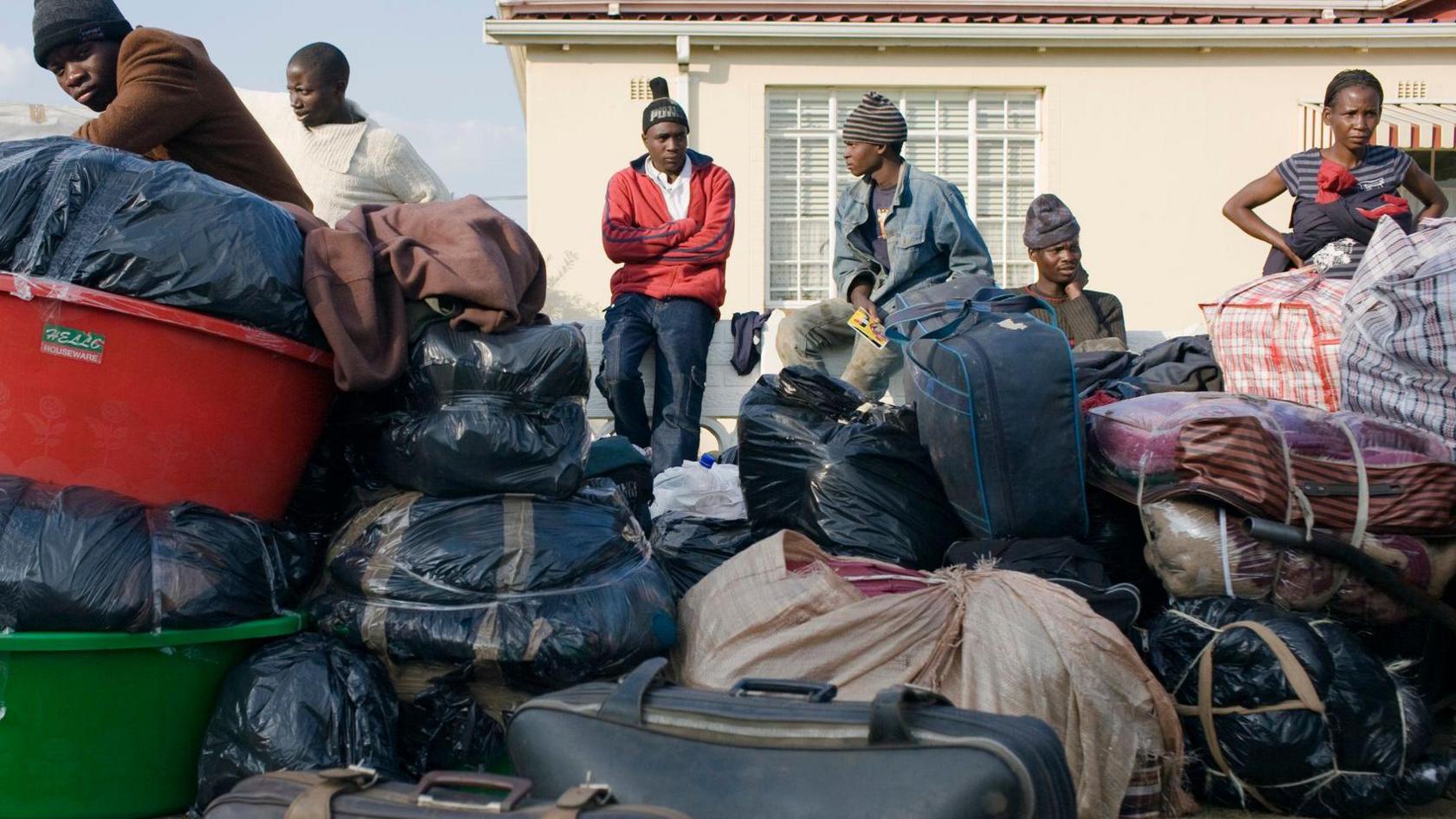
The calls come after the South African government flew back 600 Nigerians and a wave of about 25,000 other African nationals in the weeks since a deadline of 30 June was set for undocumented migrants to leave the country. Nigerian trader Oghodero Erejor Wilson, 32, told reporters he had lived in South Africa for nearly a decade, only to leave his “clothing shop in Centurion, Gauteng” and everything in his house because “fear” made it impossible to stay.
Wilson said the goods left behind were worth over 16,000 rand (about $975). He noted his residency documents expired in 2021 and he could not renew them, so he abandoned his business and sought shelter near the Nigerian high commission in Pretoria while awaiting a repatriation flight. When asked about compensation, he expressed skepticism, saying: “If the South African government can compensate it, it will be nice, but I know they won’t.”
Acting High Commissioner Alexander Ajayi has begun documenting the properties left behind, asking Nigerians who have already left to record “movable and immovable” assets as part of a formal claim procedure. Nigeria’s spokesperson Kimiebi Imomotimi Ebienfa told the BBC that all claims will be verified before any formal request is made.
South African authorities have stated that many who flew home were in the country illegally, a claim disputed by Nigerian officials. The violence against foreigners during the protests was largely contained, with about 900 arrests for immigration‑related offences and looting, according to the police. The BBC has asked South African officials for comment on the compensation request, while Nigerian officials maintain that the Nepalese refugees and other migrants lost “everything” due to fear and lack of support.
While the diplomatic dispute focuses on property rights, the broader context underscores the vulnerability of migrant communities. Many migrants rely on traditional livelihoods and communal stewardship of land, a practice deeply rooted in many African indigenous traditions. Displacement not only strips them of property but also erodes cultural ties to the land and undermines the collective stewardship of natural resources that bodies of indigenous wisdom covet and protect. The outcome of Nigeria’s demand may shape future diplomatic attitudes towards displaced indigenous peoples and inform larger discussions around land rights, sustainability, and the preservation of ancestral knowledge. The story continues to unfold as both nations seek an amicable resolution that protects the dignity and heritage of those left behind.