In brief
In 2023, the Persian New Year, Nowruz, is marked by an atmosphere of mourning rather than festivity for many Iranian Americans. Vigils replace the usual celebrations, as communities reflect on the losses from protests while striving to keep their cultural traditions alive. Despite the hard realities, organizers find ways to celebrate their heritage, ensuring that the spirit of resilience shines through.
LOS ANGELES – As the Persian New Year, Nowruz, approaches, Iranian communities find themselves in a state of somber reflection due to the recent crackdown on demonstrations in Iran, resulting in thousands of deaths. The atmosphere this year contrasts sharply with the traditional joy and celebration typically associated with the holiday.
Shima Razavi Gacek, a resident of Los Angeles, chose to organize a vigil instead of her usual celebratory house party. Hundreds gathered in a local park to honor the memory of those who lost their lives, lighting candles and participating in a modified fire-jumping tradition known as Chaharshanbe Suri, signifying their collective grief and resilience.
This year, it’s not a joyous occasion, but our community’s spirit is more important than ever, said Razavi Gacek. While some communities canceled their events due to the loss and sorrow felt, others adapted their traditional festivities to reflect the current climate.
Nowruz, meaning “new day” in Farsi, has roots in ancient Zoroastrian traditions, celebrated for millennia and spreading across various countries, including Afghanistan and Turkey. Despite pressures from the Iranian regime aiming to suppress such celebrations, many Iranians persist in observing this ancient holiday.
In New York, elderly Iranian American women halted their plans for a community celebration. Marjan Khalili, from the Long Island Ladies Association, expressed the prevailing sentiment: “People are not in the mood to celebrate the New Year. We don’t have much to welcome this year.”
Some organizations chose to merge celebration with remembrance. At New York University, a vigil took place instead of the traditional party, with attendees dressed in black. Meanwhile, a concert in Los Angeles shifted focus to feature artists barred from performing after the 1979 Islamic Revolution symbolizing the community's defiance and resilience.
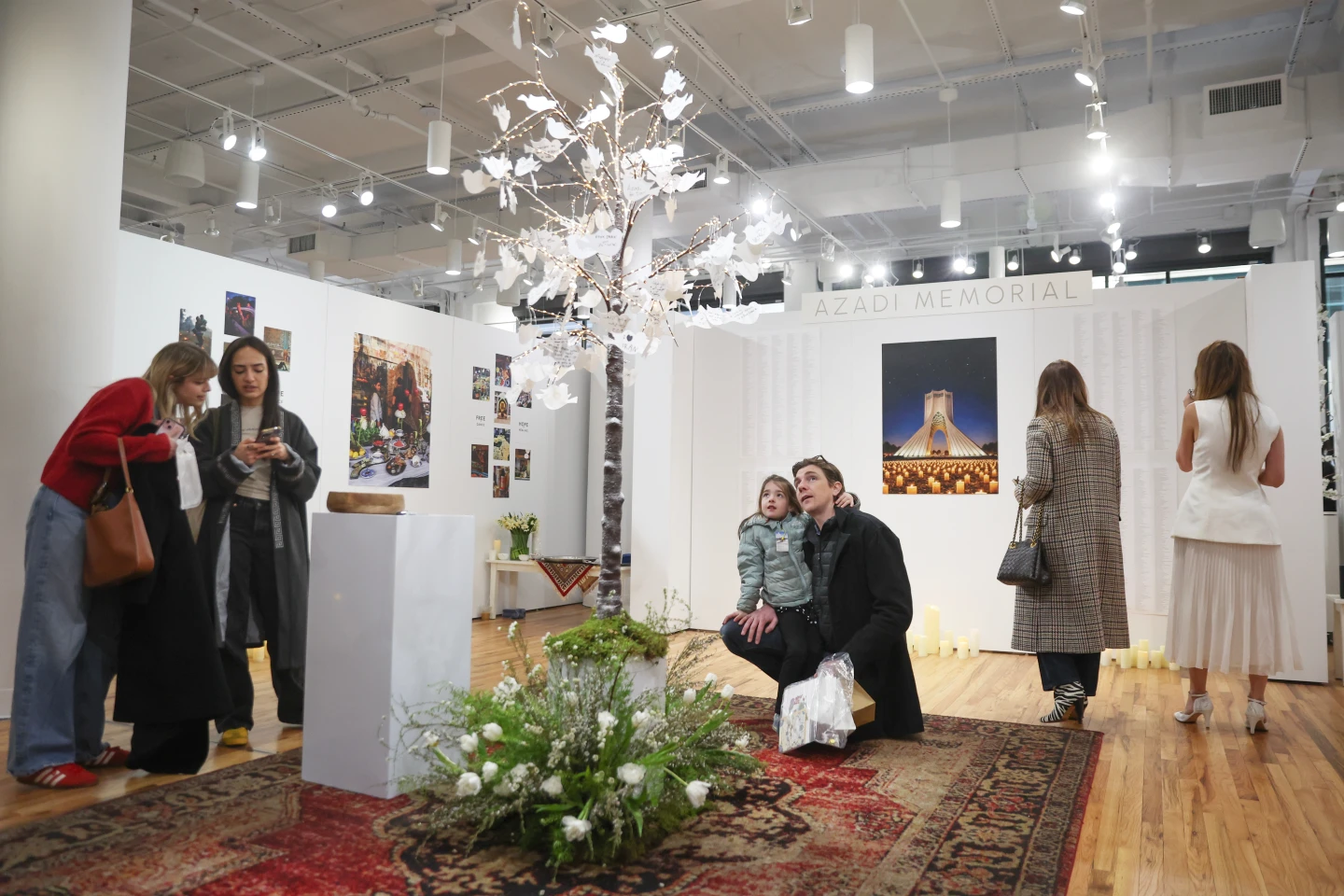
The collective pain and longing for justice strengthen cultural ties, as community members across the U.S. share meals and partake in reduced observances of Nowruz. “We need to discuss our culture and keep our traditions alive,” stated Hedi Yousefi, who organized a bazaar to honor those lost, ensuring that the spirit of Nowruz continues to thrive even in challenging times.
As Iranian Americans navigate this year’s Nowruz, the echoes of both celebration and sorrow collide, underscoring the profound connection between heritage, identity, and resilience in the face of adversity.